Asia's Circular Revolution: Unearthing Innovation in Urban Waste
From Seoul's smart recycling to Singapore's urban farming, a new generation of circular solutions is redefining sustainability in the Pacific Rim's bustling metropolises.
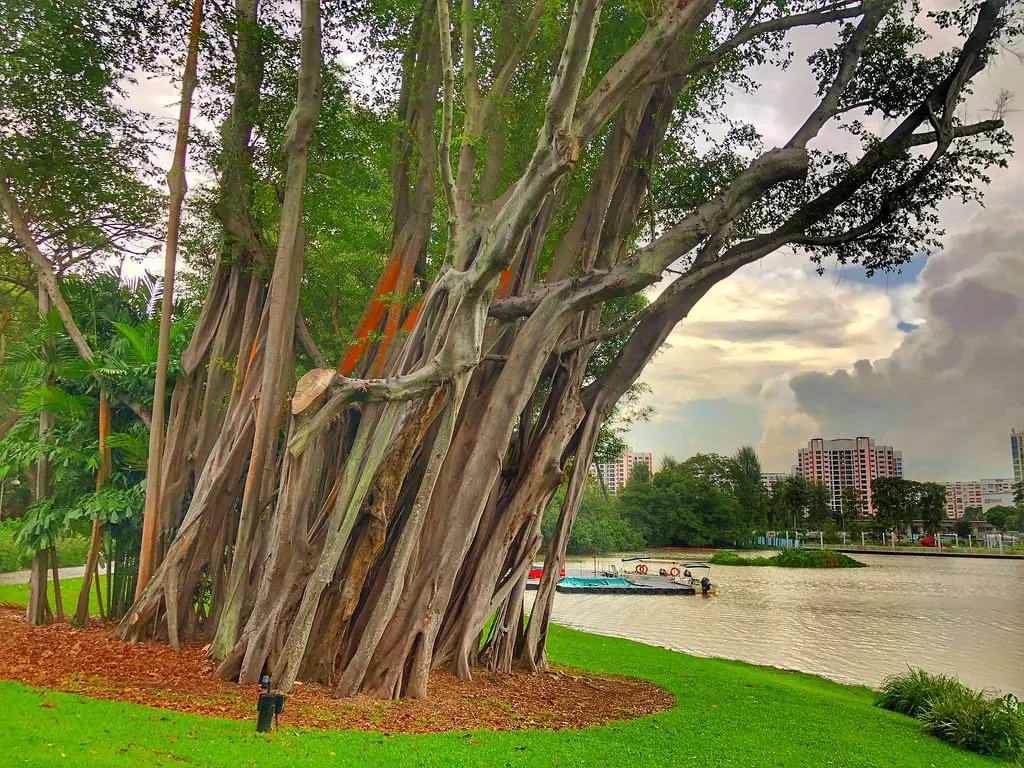
SINGAPORE
As an expat living in Asia for over a decade, I’ve witnessed firsthand the relentless pace of consumption and, consequently, waste generation across its megacities. Towering skyscrapers reach for the clouds while, at ground level, countless disposable coffee cups and plastic bags pile up. Yet, beneath this visible challenge, a quieter, more profound revolution is taking root: the circular economy. No longer a niche concept, it's becoming a pragmatic necessity, particularly within the dense urban fabrics of the Asia-Pacific.
The traditional linear 'take-make-dispose' model is simply unsustainable for cities like Tokyo, Singapore, or Jakarta, where space is a premium and resources are finite. The circular economy, by contrast, seeks to keep products and materials in use for as long as possible, extracting maximum value from them while in use, then recovering and regenerating products and materials at the end of each service life. This isn't just about better recycling; it's a systemic shift.
Rethinking Waste as a Resource
One of the most compelling examples of this paradigm shift can be seen in the burgeoning efforts to transform waste into valuable resources. Consider Seoul, a city that has consistently ranked among the world's most innovative in waste management. Beyond its highly efficient source separation system, Seoul has invested heavily in 'smart recycling' initiatives, utilizing IoT-enabled bins and AI analytics to optimize collection routes and improve material recovery rates. Startup ventures like ReWare, though nascent, are exploring upcycling discarded textiles into new apparel and home goods, targeting not just environmental impact but also fashion-conscious consumers willing to pay a premium for sustainably sourced products.
Singapore, ever the innovator, has championed urban farming and vertical agriculture as a means to reduce reliance on imported food and close local nutrient loops. Hydroponic and aquaponic farms housed in multi-story carparks or even atop commercial buildings repurpose organic waste into nutrient-rich compost, feeding local produce that travels mere miles to dinner tables. This not only cuts down on food waste but also minimizes the carbon footprint associated with long-distance food transport. Their 'zero waste' master plan includes ambitious targets for increasing overall recycling rates and a push towards industrial symbiosis, where one industry's waste becomes another's input.
"The true brilliance of Asia's circular economy isn't just in grand government mandates, but in the entrepreneurial spirit that sees value where others see trash."
Material Innovation and Digital Platforms
Beyond traditional waste streams, innovators are tackling complex materials. In Vietnam, for instance, a growing number of enterprises are focused on plastic waste. Ho Chi Minh City sees initiatives where community collectors are incentivized through digital platforms to gather specific types of plastics, which are then processed into construction materials or composite products. These platforms not only streamline collection but also empower informal waste pickers by providing fair market prices and stable income, integrating them more formally into the circular value chain.
Japan’s long-standing 'mottainai' philosophy – a sense of regret concerning waste – provides a cultural bedrock for circular principles. Companies like Panasonic and Sony have long embraced product-as-a-service models, especially for electronics, offering repairs and upgrades that extend product lifecycles. Their approach combines high-quality, durable design with robust repair networks, a stark contrast to the 'planned obsolescence' prevalent elsewhere. For instance, Panasonic’s efforts in creating durable, repairable home appliances mean components are designed for easy replacement, significantly reducing e-waste.
While challenges remain—from scaling pilot projects to changing ingrained consumer habits—the momentum is undeniable. The Asia-Pacific's unique blend of rapid urbanization, technological prowess, and a growing environmental consciousness is transforming its metropolitan areas into living laboratories for circular economy solutions. As I look out over the glittering skylines, I no longer see just consumption, but also the intricate dance of regeneration taking hold, promising a more sustainable future for this dynamic region.
Newsletter
Pacific Daily
A curated briefing from Thailand, Asia-Pacific and the world.