Alaska Airlines' Premium Push: Who Pays for the Upgrade?
Facing high fuel costs, Alaska Airlines expands premium seating. This strategy relies on high-yield travelers and may alter regional competition, yet success depends on consistent demand and operational execution.
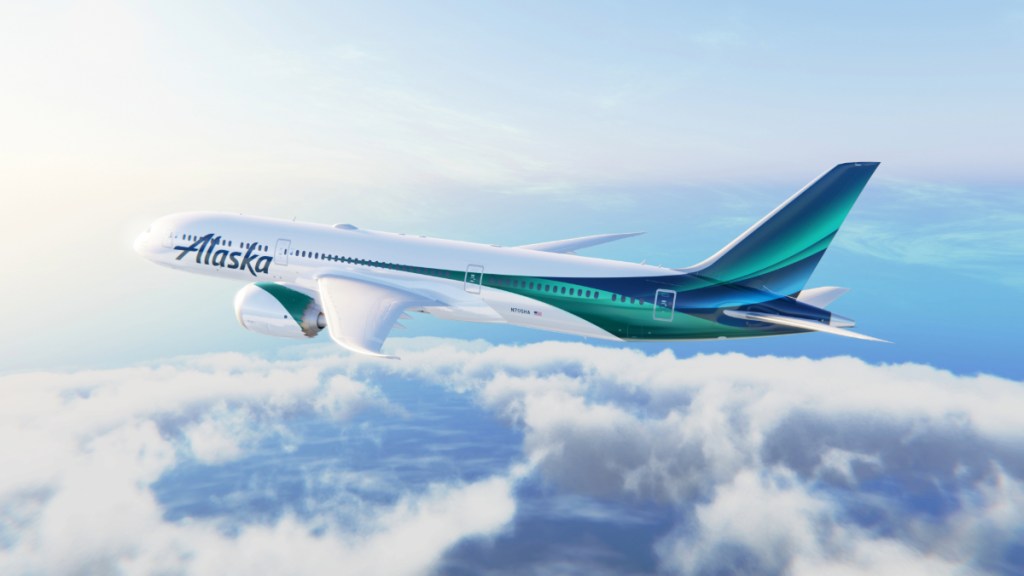
Alaska Airlines plans to add premium economy seats and business class suites to its Boeing 787s and select transcontinental 737 MAX 10 routes. This expansion comes as the carrier faces a surge in high fuel costs. It signals a calculated bet on the continued willingness of high-spend travelers to drive airline profitability. The move follows a broader industry trend where premium economy has emerged as a key offering, with Forbes in April 2026 describing it as the "new sweet spot redemption."
The airline's strategy prioritizes a market segment less sensitive to economic fluctuations. These travelers are often willing to pay more for comfort and services. This approach aims to secure higher revenue per seat, which can offset the persistent cost pressures airlines endure, particularly from fuel. For this strategy to succeed, these premium seats must achieve and maintain high occupancy rates. Without this, the investment in cabin retrofits and associated services could burden the balance sheet.
From an Asia-Pacific perspective, this development suggests a sharpening competitive edge, particularly for carriers operating routes connecting to the US West Coast. While Alaska Airlines' direct presence in Southeast Asia is limited, its expanded premium offerings on long-haul flights into and out of the United States could influence passenger choices for connecting flights. Travelers from regional hubs in Thailand, for instance, seeking onwards connections to smaller US cities may find Alaska's upgraded product more appealing. This could potentially draw them away from existing alliances or code-shares with other major US or Asian carriers.
The push toward premium segments indicates that airlines perceive sustained demand from business and leisure travelers who prioritize comfort over the lowest possible fare. This market behavior, if consistent, could encourage other carriers in the Pacific Rim to accelerate their own premium cabin enhancements to remain competitive. For example, if a regional airline's main connecting partner now offers a superior premium product, pressure increases on the regional airline to align its offerings or risk losing passengers at the long-haul transfer point.
This strategy, however, carries inherent risks. The aviation sector is vulnerable to economic downturns, geopolitical events, and health crises. A significant contraction in business travel or a reduction in disposable income for leisure travelers could quickly undermine the profitability of premium cabins. A key uncertainty is whether the forecasted demand from high-yield customers can absorb the increased capacity. This is especially relevant if other airlines pursue similar upgrades simultaneously, potentially changing the supply-demand balance for premium seating.
The success of Alaska Airlines' investment in premium travel will depend on more than just the seats themselves. It hinges on the airline's ability to maintain competitive pricing for these segments, deliver consistent service quality, and effectively integrate these new offerings into its route network and loyalty programs. The investment is substantial, and its returns will be closely watched across the industry, particularly by airlines in the Pacific Rim weighing similar moves. The outcome will clarify at what occupancy this premium bet works, and who, ultimately, pays for it if it does not.
Sources
Newsletter
Pacific Daily
A curated briefing from Thailand, Asia-Pacific and the world.