Abandoned Match Highlights Governance Gaps in Sports Ownership
Fan protests at a LaLiga game in Spain, prompted by safety concerns, underscore how disputes over club management can disrupt operations and signal wider issues for international sports ventures.
SINGAPORE
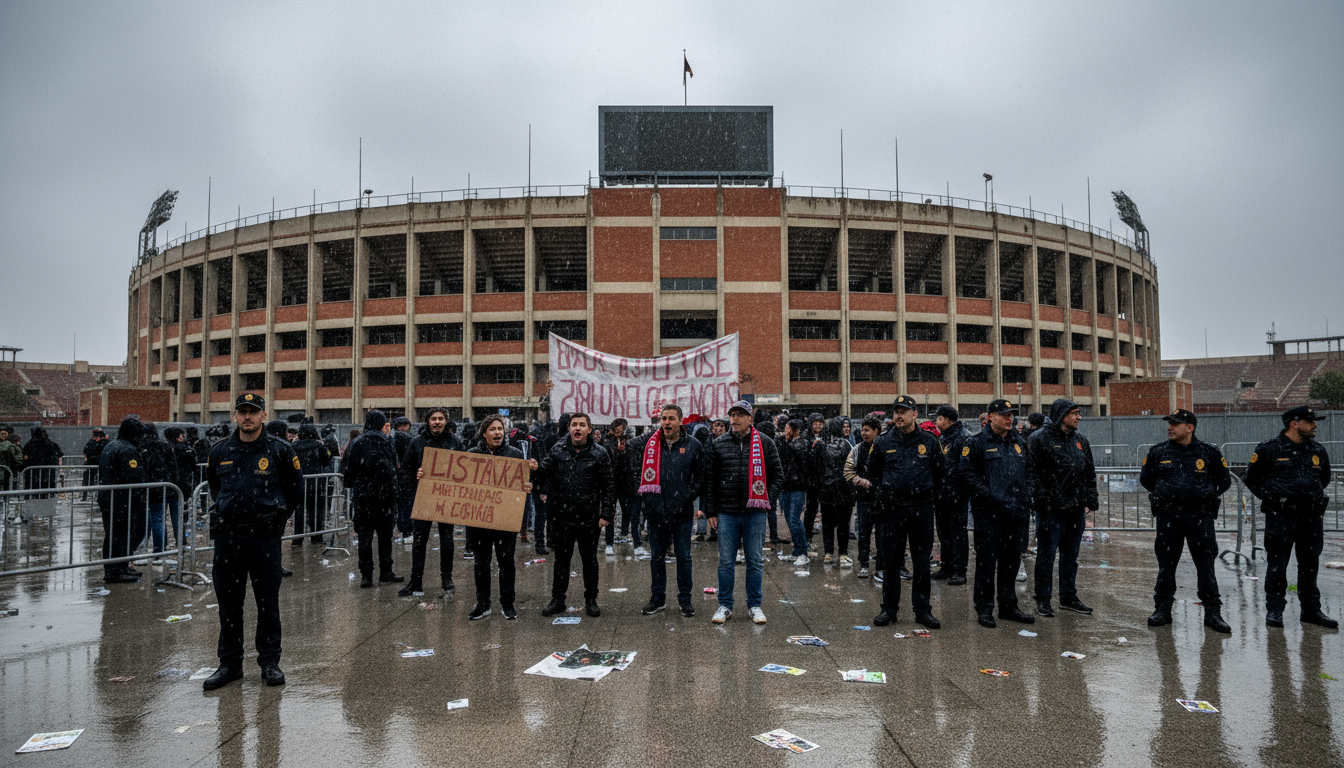
The abrupt abandonment of the LaLiga match between Rayo Vallecano and Athletic Club on Saturday, October 10, following fan protests, represents more than a singular incident of crowd disruption. This event, where fans lobbed paper airplanes and small rubber balls onto the pitch at the Estadio de Vallecas, was a direct expression of discontent targeting Rayo Vallecano's owner, Raul Martin Presa.
While geographically situated in Madrid, the underlying dynamics of this protest—specifically, the stated fan concerns over safety at a venue temporarily closed after an audit found serious issues—illustrate a pattern of governance challenges that transcend local sports. The Sports Association of Rayo Vallecano, a fan group, characterized their protest as "legitimate and democratic... necessary and peaceful." This claim, coupled with an unattributed statement from LaLiga condemning "this type of behaviour, which endangers safety and makes the normal development of the competition impossible," highlights a fundamental conflict between stakeholder expectations and operational realities.
The critical issue appears to be the safety audit findings, which led to the temporary closure of Estadio de Vallecas. Rayo fans attribute this negligence to Raul Martin Presa. This suggests an incentive structure where perceived cost-cutting or management neglect has direct, measurable consequences for the fan experience and club operations. The fact that this was the first league match at the stadium this season, following its temporary closure, points to an unresolved tension that escalated into direct action. Such operational disruptions, stemming from governance failures, can introduce significant uncertainty for any entity looking to invest in or partner with sports organizations, particularly those with a significant public profile and fan base.
For businesses or investors in the Asia-Pacific region considering engagement with international sports leagues or franchises, the Rayo Vallecano case serves as a cautionary signal. It demonstrates how issues of club ownership accountability and infrastructure management, if left unaddressed, can lead to public backlash and operational halts. The reputational and financial risks associated with such disputes are tangible. While this event occurred in Spain, the principles of fan engagement, owner responsibility, and the integrity of competition are universal in professional sports. A local dispute over stadium safety and management can damage a club's brand value globally, affecting sponsorship appeal and international fan bases.
The unresolved constraint is the misalignment between fan expectations for safety and accountable ownership, and the operational decisions made by club management. The outcome now depends on whether the club owner, Raul Martin Presa, and regional authorities can address the core safety concerns and re-establish trust with the fan base, preventing future disruptions. The immediate challenge for the club is to ensure safety standards are met to prevent further match suspensions, a process that relies on transparent governance and investment.
Sources
Newsletter
Pacific Daily
A curated briefing from Thailand, Asia-Pacific and the world.