When Stalled Real Estate Becomes Civic Folklore
Transforming unfinished commercial towers and highway murals into seasonal costumes marks an institutional accommodation with stalled capital.
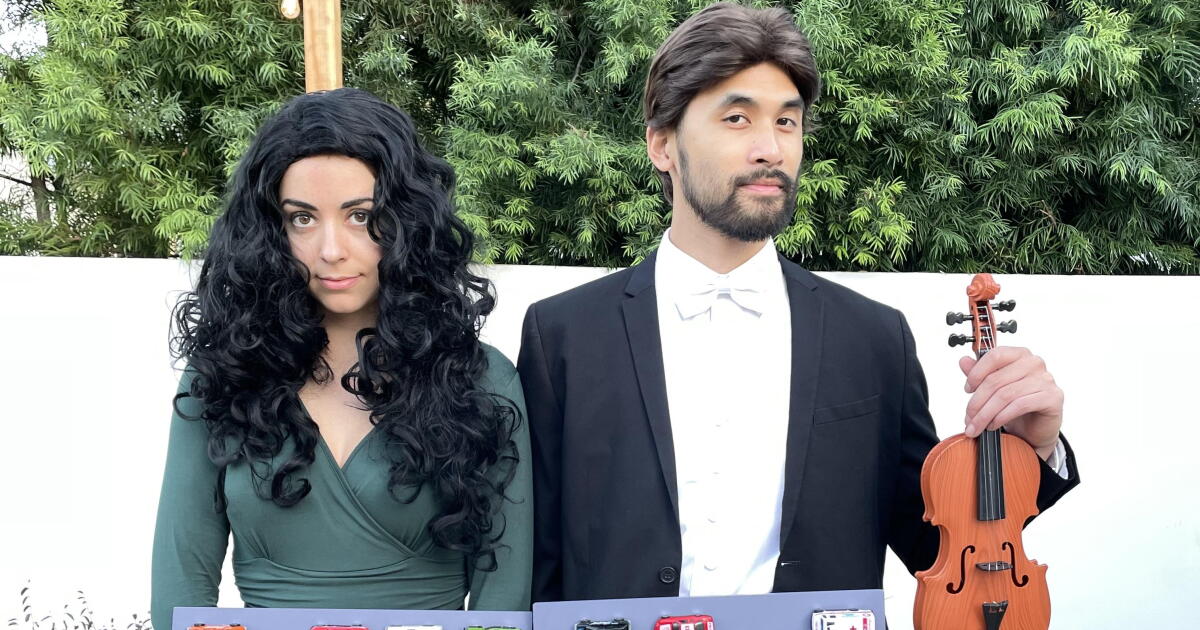
Capital creates monuments when it functions. When it stalls, it leaves structural debris. Along the Pacific rim, commercial developments frequently acquire civic meaning through prolonged interruption rather than functional completion. The circulation of Halloween costumes documented by the Los Angeles Times Travel and consumer tracking reported by Forbes in October 2026 reveals this pattern across metropolitan culture. Vernacular iconography has moved away from functional urban landmarks. Instead, public identification attaches directly to distressed structural projects, elevated commercial advertisements, and transit markers. What begins as civic satire reveals how metropolitan populations adapt to unfulfilled development promises across transit corridors.
Southern California civic memory previously relied on standard corporate entertainment properties and automotive waypoints. Figures like Bob’s Big Boy, commercial celebrity Angelyne, and Stuart the Minion over Universal Studios provided an earlier generation with recognizable vernacular touchstones. Each derived from operational media distribution systems or corporate franchises that generated predictable economic activity. Contemporary recognition behaves differently. Attention now clusters around halted assets and litigious roadside promotions, including the Sweet James billboard and the Oceanwide Plaza graffiti tower. These symbols celebrate no commercial triumphs. Rather, they catalog legal disputes, speculative pauses, and vacant vertical perimeters that municipal authorities fail to assimilate into regular civic life.
The Mechanics of Structural Interruption
Commercial towers no longer command urban prestige purely through utility. Oceanwide Plaza was planned as a multi-tower development, yet its unfinished concrete envelope captured broad public attention only after unsanctioned painting converted the exterior into a visible canvas. When an Angeleno adopts the structure as attire during Halloween 2026, the gesture codifies structural failure into local folklore. Highway corridors display the same absorption. Positioned over the 110 highway, the Los Angeles Chamber Orchestra mural operates simultaneously as fine art and transit infrastructure. Unresolved construction ceases to register as a civic emergency, becoming instead an accepted fixture of the visual environment.
Skeptics might argue that such parodies represent harmless folk humor without structural consequence. Seasonal tracking recorded across Google Search queries suggests that dressing as an unfinished building or an attorney advertisement reflects only detached irony. That view underestimates the quiet shift in regulatory tolerance. Integrating abandoned construction sites into festive domestic customs signals an institutional accommodation to stalled urban investment. When private failures convert into jokes, public expectations of administrative enforcement recede.
Unresolved Liabilities in the Built Environment
Stalled vertical towers represent frozen capital, disrupted street frontages, and permanent municipal surveillance burdens. Treating abandoned developments as eccentric landmarks weakens the pressure needed to enforce debt settlements, asset auctions, or structural resolution. The deeper vulnerability across Pacific urban centers is an erosion of municipal capability, where private defaults simply outlast public oversight. Costume lists recorded in 2026 place the Oceanwide Plaza graffiti tower alongside Bob’s Big Boy and the Los Angeles Chamber Orchestra mural over the 110, but seasonal parody clears no legal title. The concrete shells remain frozen in place.
Sources
Newsletter
Pacific Daily
A curated briefing from Thailand, Asia-Pacific and the world.