The Finite Human Asset in Infinite Corporate Franchises
Patrick Stewart’s death exposes the structural limits of studio intellectual property built around irreplaceable individual talent.
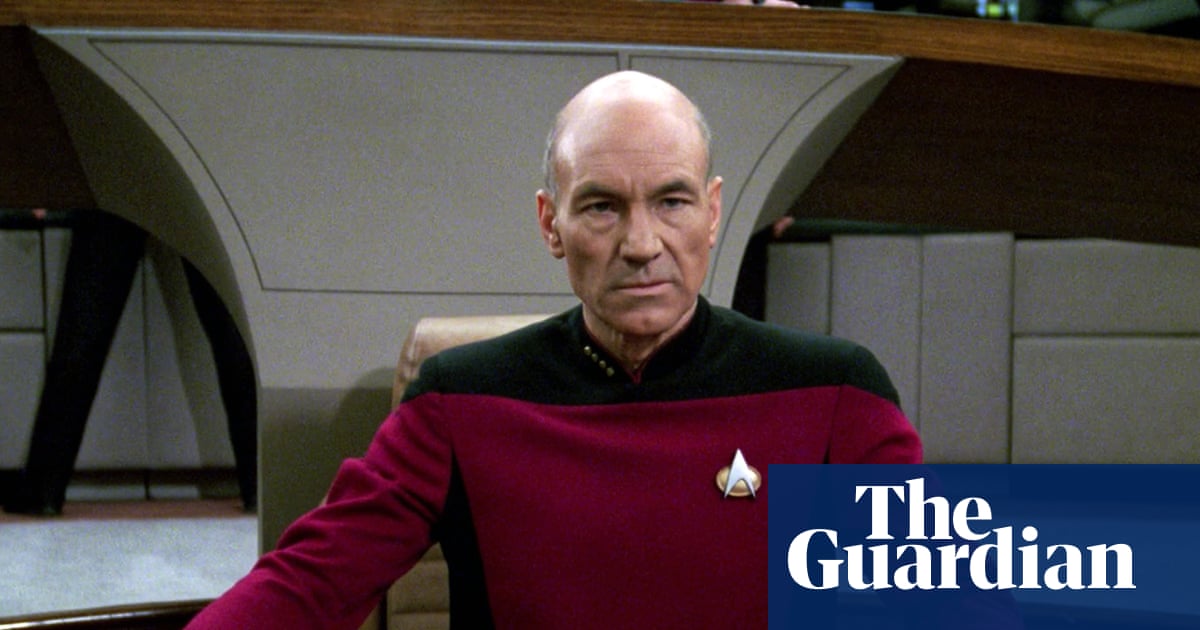
Entertainment conglomerates treat their dominant intellectual property as perpetual capital, yet those balance sheets ultimately depend on perishable human labor. The passing of British stage and screen actor Sir Patrick Stewart at age 86 at his home in Los Angeles demonstrates that inescapable constraint. Stewart, whose death followed what representative Kelly Bush Novak described as a brief and poignant journey with Alzheimer’s disease and Lewy body dementia, anchored multi-decade commercial properties for major studios. His career spanned classical Shakespearean performance and television syndication through Star Trek: the Next Generation, as well as cinematic releases across the X-Men film series.
Studio balance sheets price intellectual property on the premise of indefinite renewal. When CBS distributed Star Trek: the Next Generation in 1990, corporate ownership secured long-term library valuation, syndication cash flows, and subsequent motion picture exploitation. Stewart’s portrayal of Captain Jean-Luc Picard converted what had been an experimental reboot into an enduring corporate asset. That commercial success revealed an underlying structural incentive. Production houses discovered that casting elite classical talent reduced the volatility of speculative genre investments.
The Economics of Artistic Legitimacy
The economic logic was straightforward. Audiences accepted long-term narrative expansion because performers with classical theatrical credentials provided dramatic credibility that lower-cost substitutes could not reproduce. Stewart demonstrated that artistic authority could bridge commercial divides, moving from staging all 154 of Shakespeare's sonnets to carrying blockbuster studio tentpoles. For studios, this dynamic reduced marketing risk and secured recurring revenues across domestic and overseas markets, including Pacific-Rim media distribution networks.
Yet this capital structure carried an embedded operational hazard. Unlike graphic print properties or animated trademarks, live-action film and television franchises tie corporate goodwill directly to the mortal timeline of specific individuals. When an actor becomes inextricably identified with a flagship role, studio options narrow. Recasting risks consumer rejection, digital reproduction invites legal and artistic resistance, and script retirement removes proven earning power from production schedules.
Industry strategists often contend that corporate trademarks eventually outgrow their originating performers. Proponents of this view argue that generational IP survives through legacy reboots, prequel narratives, and brand recognition that outlasts any single human contribution. Modern Hollywood continues to test that proposition by testing alternate timelines and younger ensemble casts designed to detach earnings from historic names.
The Reinvestment Dilemma
That argument underestimates how difficult artistic substitution remains in practice. The commercial longevity of Stewart's flagship series did not stem from generic studio trademarks alone. Rather, consumer loyalty concentrated around specific rhetorical discipline and authority that executives could license but never manufacture independently.
a brief and poignant journey with Alzheimer’s disease and Lewy body dementia
With Stewart’s passing on Wednesday, rights holders confront the real depreciation of their most lucrative creative assets. Corporate boards can extend franchise rights across multiple decades, amortize catalog costs, and expand global distribution. They cannot hedge against biological mortality. The structural challenge facing contemporary studio management is that intellectual property requires genuine dramatic credibility to generate sustained cash flow, but the human talent providing that credibility remains fundamentally finite.
Sources
Newsletter
Pacific Daily
A curated briefing from Thailand, Asia-Pacific and the world.