Western Critical Mineral Ambitions Collide with Electoral Cycles in Brazil
Diplomatic outreach to alternative resource partners cannot substitute for intermediate processing infrastructure.
SINGAPORE
Industrial procurement strategies designed across Western economies operate on the enduring presumption that mineral supply lines can be detached from geopolitical leverage through foreign bilateral partnerships. Raw mineral geology, however, remains inextricably bound to sovereign political cycles. For decades, industrial strategists treated heavy processing dependency on China as an administrative friction that could eventually be solved by expanding resource extraction across Latin America. That diplomatic assumption now collides directly with the electoral calendar in Brazil, where national voting cycles threaten to reset the commercial and regulatory terms governing critical mineral concessions.
Western powers have systematically turned toward Brazil in an attempt to counterbalance China across global mineral supply chains. The European Union approached Brazil as a strategic partner to secure essential deposits, seeking formal access to critical raw materials needed for industrial electrification. Bilateral diplomacy expanded further when India signed an agreement with Brazil in February 2026 to build resilient supply chains. Concurrently, Bloomberg reported that the U.S. faces a USD 1.2 trillion rare-earth crisis requiring another decade of sustained capital expenditure to resolve domestic mineral deficits. Broader Western strategy relies on pulling alternative producers into aligned procurement networks before geopolitical tensions trigger material export restrictions.
The Intermediate Processing Bottleneck
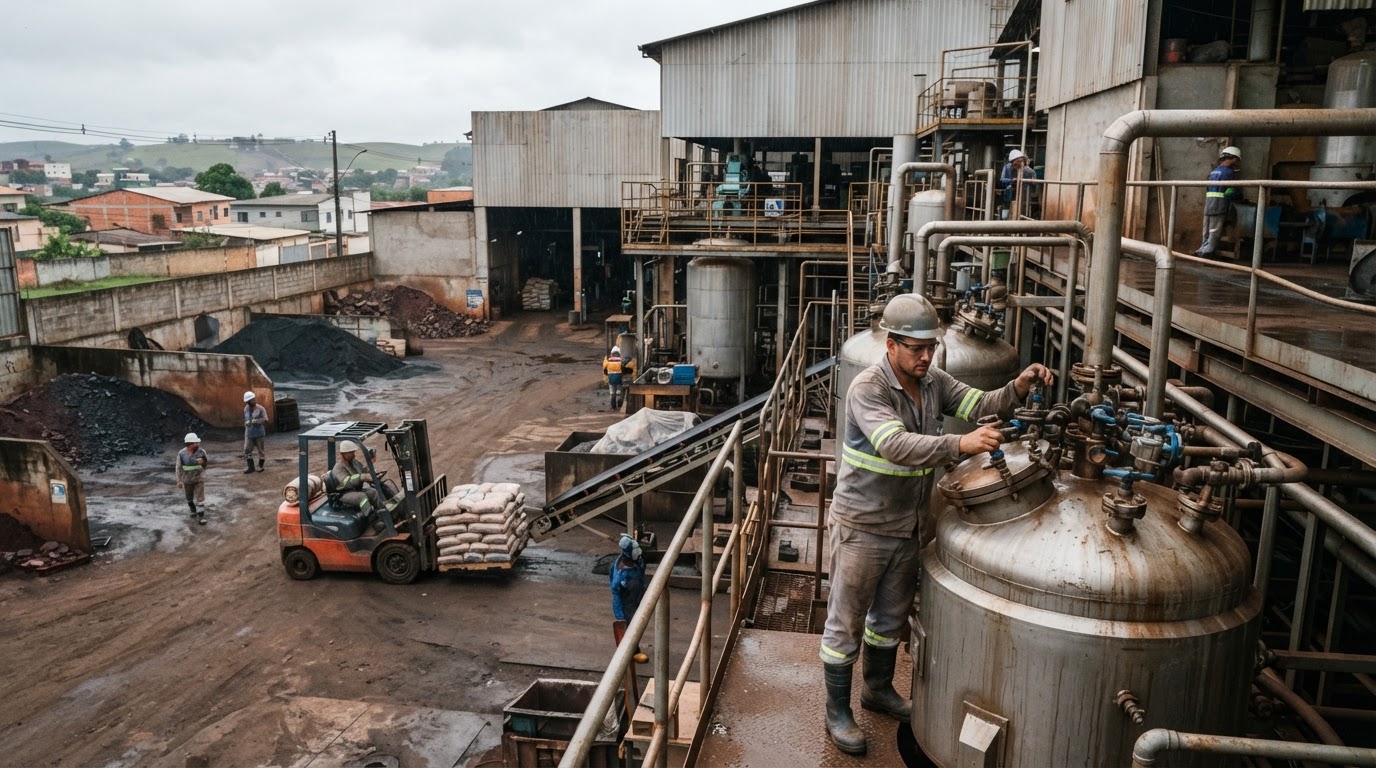
Negotiating overseas mining agreements fails to address the intermediate refining bottleneck that defines critical mineral production. Extracting raw ore from Brazilian soil provides negligible industrial independence when the chemical separation and refining stages remain heavily concentrated in East Asia. China commands downstream processing capacity that Western private markets have spent decades avoiding because mineral refining delivers slim profit margins while generating severe ecological burdens. A change of government in Brazil exposes overseas buyers to restructured concession agreements, revised export taxes, or environmental moratoriums, potentially invalidating supply arrangements before mining infrastructure even begins commercial operations.
Bilateral extraction agreements fail to insulate global manufacturing when chemical separation capacity remains concentrated within Chinese facilities.
Industrial planners across the Asia-Pacific observe these transatlantic diplomatic maneuvers with understandable skepticism. New Delhi signed its bilateral arrangement with Brazil to insulate Indian manufacturing from northern supply vulnerabilities, illustrating how non-aligned regional powers attempt to diversify critical resource flows. Moving raw mineral feedstock across oceans, however, merely alters maritime transit routes without addressing the absence of midstream chemical separation infrastructure. If raw materials extracted from Brazilian mines must ultimately transit Chinese processing plants to achieve manufacturing-grade purity, diplomatic treaties deliver rhetorical security rather than functional supply autonomy.
Institutional fractures within Western alliances further illustrate the operational fragility of state-led mineral corridors. When the US House voted to overturn Trump tariffs on Canada in February 2026, the legislative clash demonstrated that even integrated neighbouring trade partners struggle to preserve stable cross-border resource arrangements. Projecting stable decades-long procurement pacts onto changing political coalitions in Latin America introduces volatile governance risks that industrial planners routinely underestimate. Mining concessions granted under one administrative regime frequently face aggressive renegotiation when successor governments seek higher state revenues or local beneficiation mandates.
Unresolved Capital Realities
The structural crisis confronting Western critical mineral planning cannot be remedied purely through diplomatic delegations or upstream extraction pacts. Mineral security requires the costly construction of midstream cracking, separation, and metallurgical plants. Until private capital flows commit to financing domestic refining facilities within allied borders, global industrial consumers remain tethered to Chinese processing infrastructure regardless of which political coalition takes office in Brazil.
Western resource strategists remain trapped by a basic geographic contradiction. Electoral shifts across mineral-producing countries in Latin America will regularly alter upstream extraction terms, while East Asian processing infrastructure preserves its downstream commercial grip. Until Western economies absorb the environmental costs and narrow economic returns of domestic refining, international critical mineral initiatives will remain exposed to the political volatility they were constructed to escape.
Sources
Newsletter
Pacific Daily
A curated briefing from Thailand, Asia-Pacific and the world.