Tupac Shakur's Long Shadow Extends Beyond US Courtroom
The recent sentencing of Duane “Keffe D” Davis for the 1996 killing of Tupac Shakur closes a legal chapter, yet it reopens questions about how historical narratives become cultural bedrock, even for audiences far removed from Las Vegas.
SINGAPORE
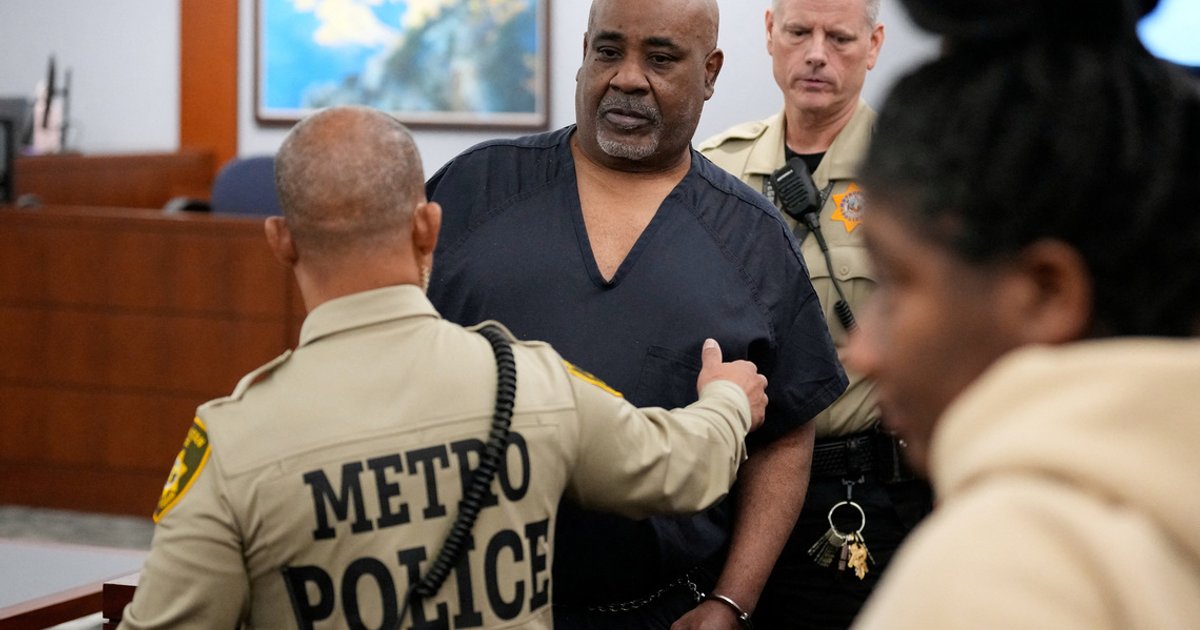
On October 13, in a Las Vegas courtroom, Duane “Keffe D” Davis, 63, received a sentence of 40 years to life in prison. This penalty follows his August conviction for a role in the 1996 killing of Tupac Shakur. For many, this legal outcome concludes a case that has remained a subject of public discussion for nearly three decades.
The enduring focus on Shakur’s unresolved death, however, points to a broader dynamic. Cultural narratives, particularly those entwined with influential figures, often gain a life independent of legal closure. The absence of a definitive legal resolution for so long allowed the circumstances of Shakur's death to evolve into a persistent cultural touchstone. This transformation occurred not only within the United States but also reverberated through global communities engaging with American popular culture.
Hip-hop, a genre deeply shaped by artists like Shakur, has cultivated a significant following across Asia-Pacific. In cities from Bangkok to Manila, his music, and the mythology surrounding his life and death, have transcended their origins. The delayed justice in this case meant that the story of his demise remained fluid, allowing for diverse interpretations that underscored the genre's themes of struggle and impact. The legal judgment, while bringing a formal end to the judicial process, may not fundamentally alter the established cultural perception of this narrative.
This outcome suggests a distinct separation between legal facts and cultural memory. A verdict can conclude a case, but it cannot always rewrite the meaning that decades of unresolved questions have imprinted upon a global audience. The resolution of this case will likely prompt reflection on the relationship between celebrity, tragedy, and the enduring power of popular culture to shape global discourse. The event underscores how specific narratives, regardless of their geographic origin, become woven into the broader cultural fabric, sustaining interest and interpretation long after the initial events.
Sources
Newsletter
Pacific Daily
A curated briefing from Thailand, Asia-Pacific and the world.