Tokyo and the Asian Development Bank Pivot Toward Atomic Power
A multilateral agreement signals shifting institutional comfort with reactors across Asia, but financing mechanisms cannot dissolve coastal liabilities.
TOKYO
For decades, multilateral development finance across Asia operated on an unwritten consensus: commercial atomic reactors carried liabilities that regional development portfolios could not prudently absorb. That institutional posture shifted when Japan and the Asian Development Bank signed an agreement to back nuclear power across the region. The bilateral move, announced by Tokyo and the regional development lender, establishes a formal pathway for nuclear projects to re-enter mainstream development policy discussions. Sovereign decarbonisation planning in Asia, long restricted by institutional lending covenants to renewables and transmission assets, now faces an explicit atomic mandate.
Boardroom signatures, however, do not resolve the structural friction of grid procurement. High capital requirements define nuclear infrastructure. Emerging Asian economies historically expanded base-load electrification through fossil thermal generation precisely because coal and gas facilities offered lower upfront financing hurdles and swift construction timelines. Nuclear plants demand the reverse: long regulatory reviews, complex engineering validation, and multi-year capital immobilisation. In policy terms, this agreement suggests institutional lenders now assess the risks of regional carbon lock-in as more urgent than the fiscal and technical liabilities of atomic construction.
The Coastal Balance Sheet
Regional energy planners confront two competing imperatives. Grid frequency must remain stable to support expanding industrial belts, yet emissions standards demand the retirement of high-polluting thermal generators. Intermittent assets provide daytime relief without supplying unyielding baseload stability. With Japan and the Asian Development Bank aligning institutional frameworks, sovereign debt offices gain diplomatic cover to consider atomic procurement that commercial syndicates historically treated as unbankable.
Formal institutional backing alters sovereign risk calculus, yet national debt obligations absorb the ultimate cost when reactor timetables drift.
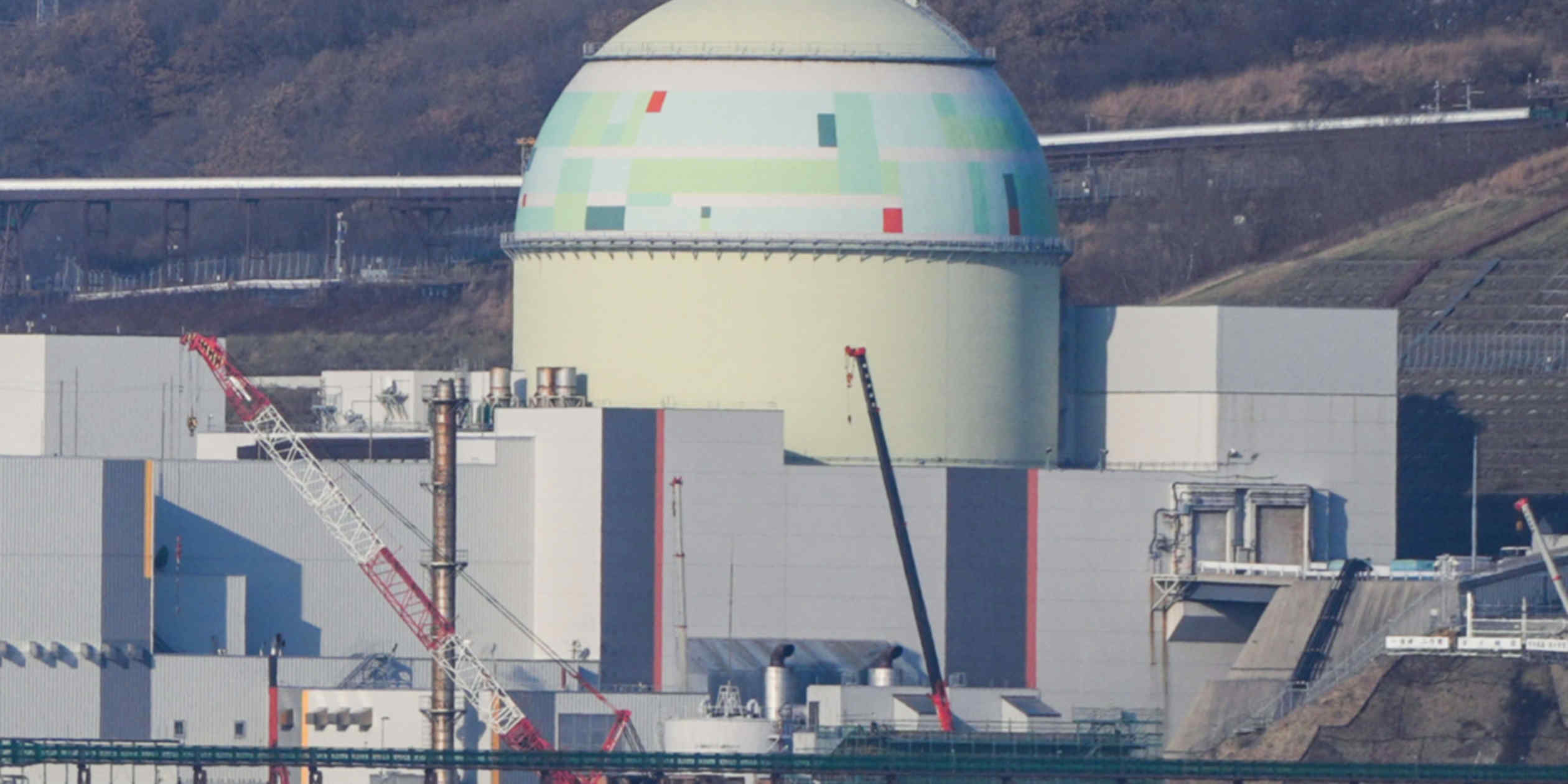
That institutional comfort encounters severe physical geography across the Pacific basin. Commercial reactors require vast volumes of cooling water, a physical imperative that routinely concentrates atomic sites along active marine corridors. Inland ministries draft energy policy, but littoral provinces absorb the operational friction and tectonic hazards. Japan's own administrative history reflects this exact geographic divide, making Tokyo's multilateral initiative through the regional bank a profound recalibration of its regional energy diplomacy.
Governance and Dependencies
Adopting reactor capacity binds developing power sectors to external technology holders. Advanced fuel cycles and certification procedures remain concentrated in established supplier states. By entering nuclear agreements under multilateral auspices, recipient utilities implicitly accept long-term foreign technical oversight, trading immediate sovereign energy autonomy for external engineering guarantees.
Critics contend that capital absorption of this scale risks diverting scarce sovereign borrowing capacity away from modular cross-border grid links that could deploy faster. Conversely, advocates argue that abandoning nuclear deployment forces expanding Asian manufacturing hubs to remain dependent on imported fossil fuels. Both assessments capture genuine constraints within regional energy ministries.
By formalising assistance alongside the Asian Development Bank, Japan has positioned atomic generation as an eligible mechanism for Asian decarbonisation. The unresolved tension rests on whether regional balance sheets and littoral communities can bear the multi-decade fiscal weight that commercial reactors extract from their hosts.
Sources
Newsletter
Pacific Daily
A curated briefing from Thailand, Asia-Pacific and the world.