Strait of Hormuz Strikes Expose Asian Energy Vulnerabilities
Military escalation between Washington and Iran tests the maritime security calculations of energy-dependent regional capitals.
SINGAPORE
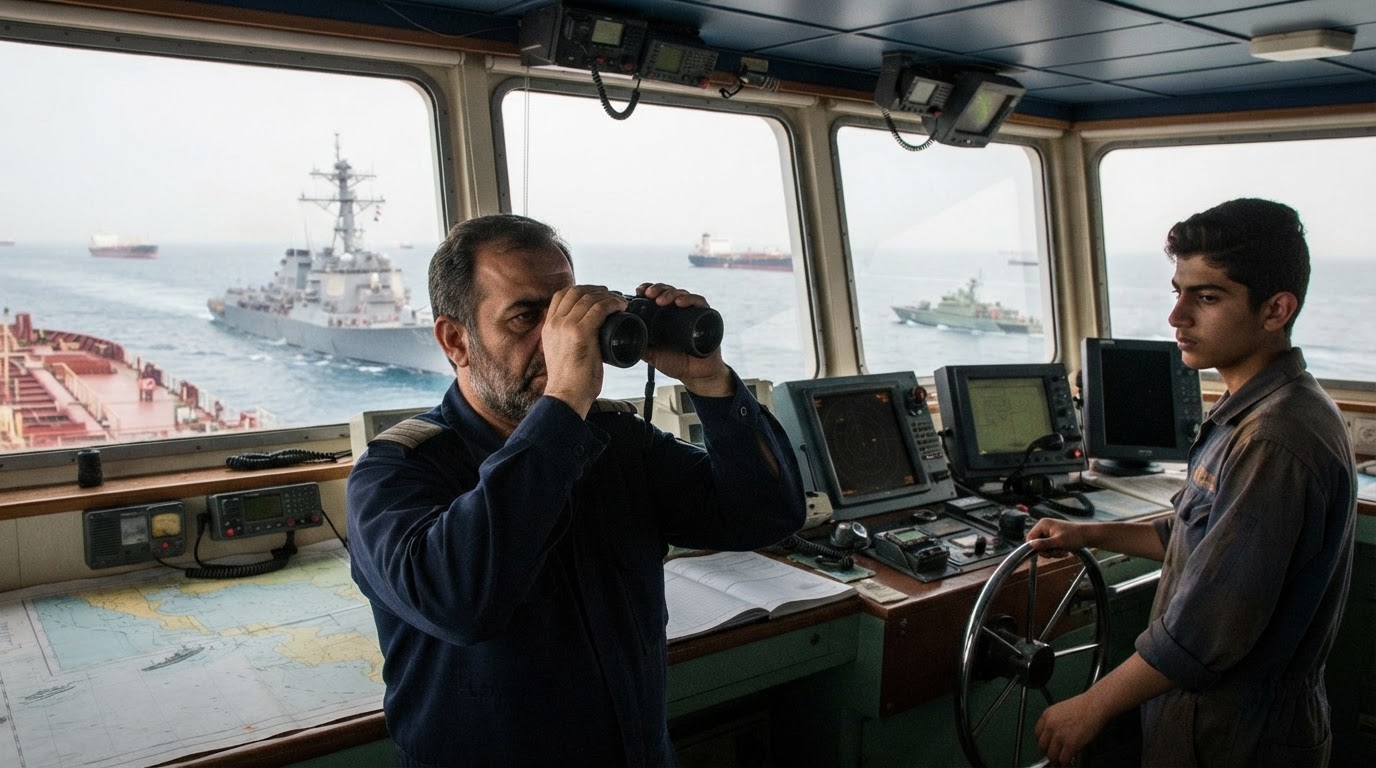
United States military strikes against Iranian targets in the Strait of Hormuz interrupt decades of calculated maritime deterrence across essential international shipping routes. A United States official confirmed the direct action in the waterway, signalling an overt escalation following protracted maritime friction in the Mideast. For decades, international maritime security doctrines sought to project naval power without triggering direct combat across critical transit passages. Direct kinetic interdiction inside the strait replaces that balance, transforming tactical posturing into open confrontation across an indispensable trading passage.
The engagement reflects an intensifying tactical contest rather than an isolated operational miscalculation. Official accounts describe United States forces striking Iranian positions after repeated disruptions against commercial vessels. Iran had previously asserted claims by targeting commercial ships near the waterway, framing its maneuvers as retaliation against earlier pressure from Washington. That sequence of strikes and counter-strikes has now eroded long-standing maritime safety buffers, forcing naval commanders into active counter-battery engagements that imperil neutral merchant shipping.
The Import Exposure
While the tactical exchange occurred in Mideast waters, the economic consequences land across the Asia-Pacific. Maritime energy corridors connecting through Hormuz supply industrial economies across the region, where manufacturing, power generation, and transport networks rely on uninterrupted tanker passages. When Washington engages Iranian forces within the transit corridor, commercial security premiums escalate and shipping schedules fracture across extended supply chains. Commercial maritime operators must recalculate transit risks immediately, weighing the cost of naval escalation against the necessity of fulfilling contracted delivery schedules.
Allied economies in Tokyo and South Korea confront an immediate strategic dilemma. Major industrial centers across East Asia maintain high import reliance on maritime crude shipments transiting Hormuz, leaving domestic production vulnerable to physical interruptions along distant waterways. Regional governments possess little military capacity to secure those sea lines independently, remaining reliant on United States naval power even as targeted strikes elevate operational hazards for commercial transport. Long-term energy diversification plans remain constrained by existing infrastructure and fixed commercial agreements, leaving national supply lines tied to stability in the narrow corridor.
Strategic planners in Washington maintain that military action against Iranian assets restores deterrence and preserves freedom of navigation. Proponents argue that failing to respond to attacks on commercial shipping would normalize maritime interdiction and permanently increase transport costs across critical waterways. Yet military strikes simultaneously invite asymmetric counter-measures, encouraging tactical responses that conventional naval patrols struggle to prevent in confined littoral waters.
Alliance Constraints and Transit Risks
Maritime security frameworks built on deterrence operate effectively only while all parties observe established escalation thresholds. Once direct kinetic engagements begin inside narrow sea lanes, commercial vessel operators face persistent operational friction regardless of which armed force asserts control. Heightened war-risk insurance, rerouted navigation paths, and extended port delays directly increase input expenses for import-reliant manufacturers. Those rising costs function as an indirect tax on industrial activity across consumer markets that depend entirely on maritime stability.
Diplomatic options for regional governments remain narrow due to security pacts and strategic dependencies. Japan and South Korea rely on United States defence commitments, which sharply restricts their appetite to challenge military decisions made in Washington. At the same time, their heavy exposure to maritime commerce leaves their domestic economies vulnerable to prolonged disruption near Iranian shores. Economic authorities in Japan previously coordinated actions on the yen with Washington, yet monetary tools provide no insulation against physical interruptions to commercial navigation.
Adjusting sovereign energy supply arrangements cannot occur fast enough to offset sudden tactical shocks. Expanding commercial reserves, developing alternative procurement channels, and constructing domestic fallback capacity demand years of continuous investment and political coordination. Until alternative infrastructure emerges, the structural vulnerability of Asian importers remains tied to the Strait of Hormuz, where armed conflict between Washington and Iran exposes the limits of external maritime protection.
Sources
Newsletter
Pacific Daily
A curated briefing from Thailand, Asia-Pacific and the world.