The Simplification of Academic Hierarchy
Categorising Canadian campuses by headcount packages institutional pedigree into accessible consumer metrics while obscuring structural operating realities.
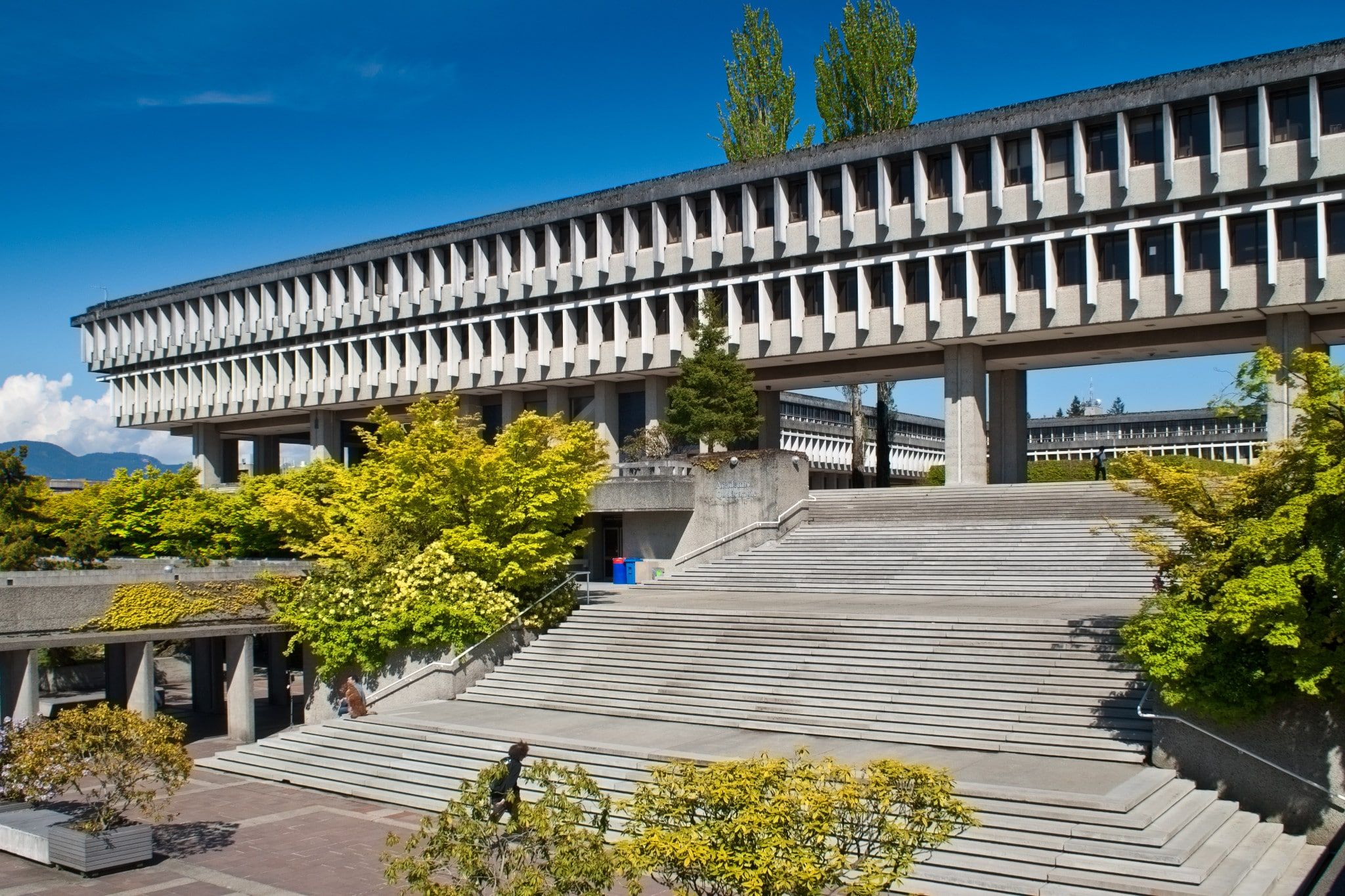
Institutions construct ranking systems to translate intricate operations into accessible consumer hierarchies, but standardising institutional output inevitably flattens pedagogical character into simple volume. Educational benchmarking relies on deliberate simplification to guide public choices. When Maclean’s redesigned its assessment of Canadian post-secondary education for 2027, the primary objective centered on operational legibility. The publication changed the methodology of its education rankings to ensure the published findings were "more user-friendly and easier to understand." Campuses were divided into three explicit groupings established solely by student enrollment: large institutions with over 30,000 full-time equivalent students, mid-size campuses carrying between 10,000 and 30,000 students, and small institutions maintaining fewer than 10,000.
That structural division provides immediate convenience for families assessing tertiary pathways across Canada and the wider Pacific rim. Segmenting institutions by headcount mirrors commercial consumer rubrics, substituting scale indicators for fine-grained assessments of teaching practice. As the fall semester began, four institutions in British Columbia secured prominent positions across the revamped tiers. In the highest volume bracket, Maclean’s ranked the University of British Columbia third in the best large universities category. Evaluative notes drew attention to faculty awarded National Teaching Fellowships and alumni chosen as Rhodes Scholars heading to the United Kingdom, alongside institutional peers including University of Toronto and McGill University.
The Mechanics of Headcount Triage
Groupings based on aggregate enrollment assume that volume determines an institution's operational character. The physical and logistical realities of operating large campuses expose the limitations of that premise. Within Metro Vancouver, physical environments present distinct administrative realities that crude enrollment numbers cannot capture. Simon Fraser University operates dispersed learning facilities across Burnaby and Surrey, including an Arthur Erickson-designed campus setting. Across town, University of British Columbia manages substantial student infrastructure projects such as Exchange Residence. Both post-secondary networks operate under distinct municipal strains, yet an enrollment-driven framework categorises them through the single lens of total headcount.
Publishers maintain that grouping by headcount serves consumer interest by clarifying comparisons that would otherwise confound prospective applicants. For families reviewing international study options, institutional documentation can seem impenetrable. Separating an institution with fewer than 10,000 students from a massive research apparatus carrying more than 30,000 prevents small regional establishments from competing against better-resourced research centres. Proponents argue this sorting creates a fair basis for evaluating distinct operating environments, allowing applicants to assess comparable institutional footprints on equal terms.
Legacy Measures and Structural Friction
Such consumer clarity comes with analytical drawbacks. Sorting higher education through enrollment bands inevitably reinforces legacy reputation over day-to-day instructional quality. Large student bodies reliably produce an ongoing tally of academic prizes and national honours, giving well-established universities an enduring reputational advantage regardless of frontline learning conditions. The ranking framework treats cohort volume as a neutral dividing line rather than an operational constraint that influences teaching ratios, campus logistics, and student engagement.
Maclean’s shifted the methodology of its education rankings this year to make the results “more user-friendly and easier to understand.”
Academic prestige operates like consumer brand heritage, leaning on historical validation to secure public trust across borders. For applicants weighing significant investments in Canadian higher education, a prominent placing inside a major size category offers a quick signal of academic quality. Yet the simplified rubric substitutes size for institutional efficacy, omitting the operational friction required to sustain massive academic facilities. The consumer gains an uncluttered sorting mechanism, while the tension between surface prestige and instructional substance remains unresolved.
Sources
Newsletter
Pacific Daily
A curated briefing from Thailand, Asia-Pacific and the world.