The Fractured Arithmetic of Public Spending
When Paris neglected suburban classrooms, it ignited a compounding national revolt against the rising price of daily survival.
SINGAPORE
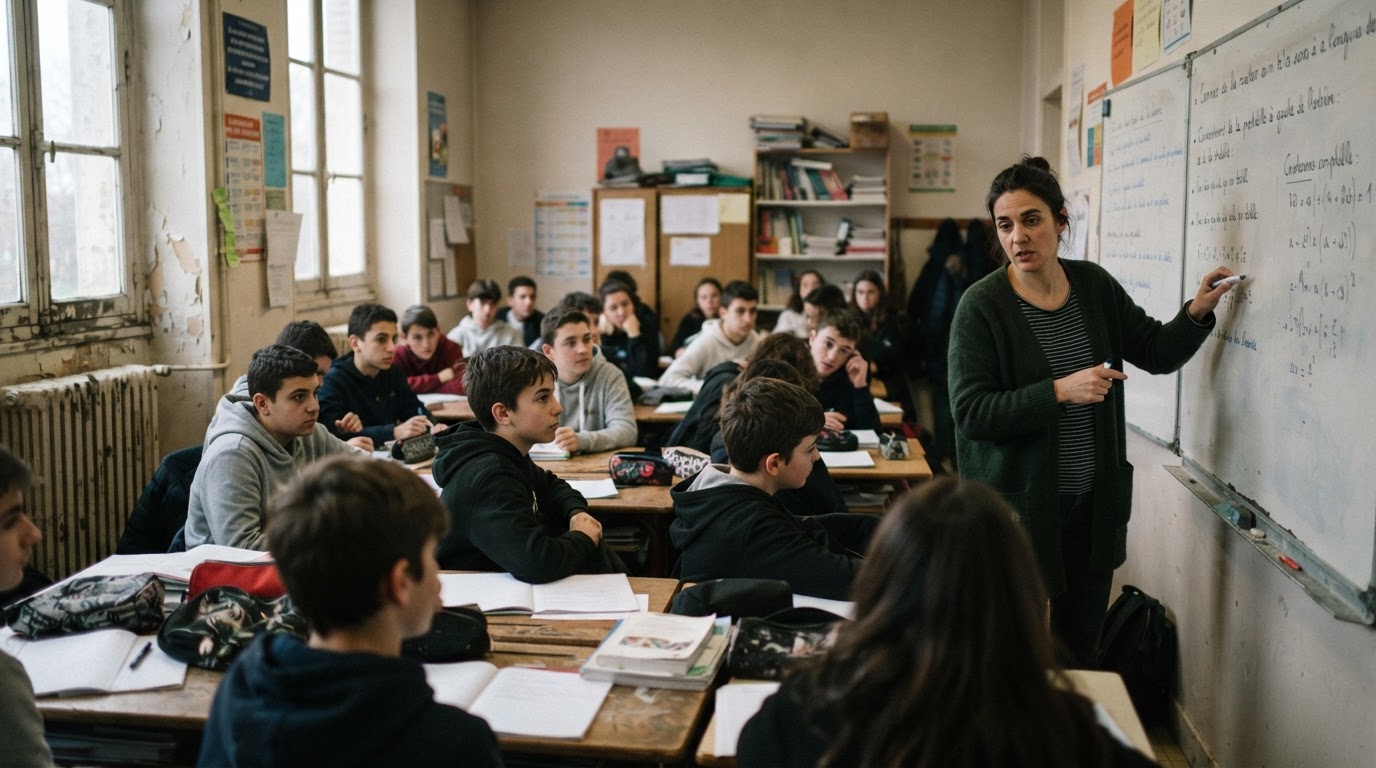
Fiscal consolidation is designed inside central administrative ministries, yet its direct burden is invariably absorbed by peripheral communities. In France, that institutional divide ceased to be a quiet budgetary dispute when neglected classrooms in the northern suburbs of Paris ignited street confrontations that rapidly spread across urban centres. What began as classroom anger over teacher shortages and shabby school facilities has widened into a confrontation over living standards, public spending priorities, and the distribution of state resources.
Institutional planners frequently treat municipal budgets and school maintenance as secondary line items. That operational calculation assumes peripheral populations will quietly absorb minor service degradations while central authorities manage macroeconomic balances. The clashes across French cities during October 2026 dismantle that assumption entirely. By mid-October, the initial walkouts of high school students expanded to encompass university students, teachers, and parents. Working households, already pressured by rising fuel prices and general living expenses, recognized their own erosion of purchasing power in the complaints of suburban teenagers.
From Suburban Corridors to National Gridlock
The geography of this confrontation explains why containment failed. Discontent did not originate within elite policy institutions, but on the edges of Paris, where underfunded schools offered visible evidence of administrative retrenchment. Once those local demonstrations drew the participation of labour unions, workers, farmers, and retirees, the protest transformed into a collective challenge against government economic direction.
Revived under the banner of the Yellow Vests movement, demonstrators established common ground with secondary school youth. That convergence joined two distinct economic anxieties: the long-term prospects of students entering an unforgiving economy, and the immediate operational strain on workers facing elevated transport and heating expenditures. The resulting street actions challenged police formations not merely in Paris, but across provincial hubs including Lyon, Marseille, Toulouse, and Angers. The Interior Ministry deployed riot police units in response, leading to clashes that observers categorized among the most severe domestic unrest in recent years.
Official defenders of fiscal austerity contend that reining in state expenditure remains indispensable. From the vantage point of French Prime Minister Sebastien Lecornu and fiscal planners, subsidies and unrestrained public employment risk destabilizing state accounts amid wider European economic headwinds. That defense reflects a legitimate administrative problem: no treasury possesses infinite credit, and deficit management requires unpopular decisions across national budgets. Other European administrations across Belgium, Italy, Portugal, and Albania face comparable structural pressures as they calibrate state spending against inflationary cycles.
The Unresolved Deficit of State Legitimacy
Administrative logic collapses when spending cuts strike the foundational services that sustain civic participation. Deferring school infrastructure maintenance or tolerating staffing deficits in vulnerable suburban schools delivers minuscule budgetary relief at the expense of basic administrative trust. When governments simultaneously maintain elevated fuel tariffs while underfunding local public facilities, communities calculate that state policy has become purely extractive.
Order cannot be permanently restored by riot squads clearing boulevards on a Saturday afternoon. Public unrest that unites high schoolers with agricultural workers and pensioners reveals that the dispute is no longer about isolated classroom grievances. The French government now confronts a structural impasse that fiscal decrees cannot easily dismantle: whether to reconsider central spending priorities to alleviate localized economic distress, or to double down on fiscal enforcement while public discontent continues to deepen.
Sources
Newsletter
Pacific Daily
A curated briefing from Thailand, Asia-Pacific and the world.