The Domestic Retreat of Autumn Revelry
How culinary craft and domestic micro-rituals quietly displaced the perilous spectacle of East Asian street gatherings
SINGAPORE
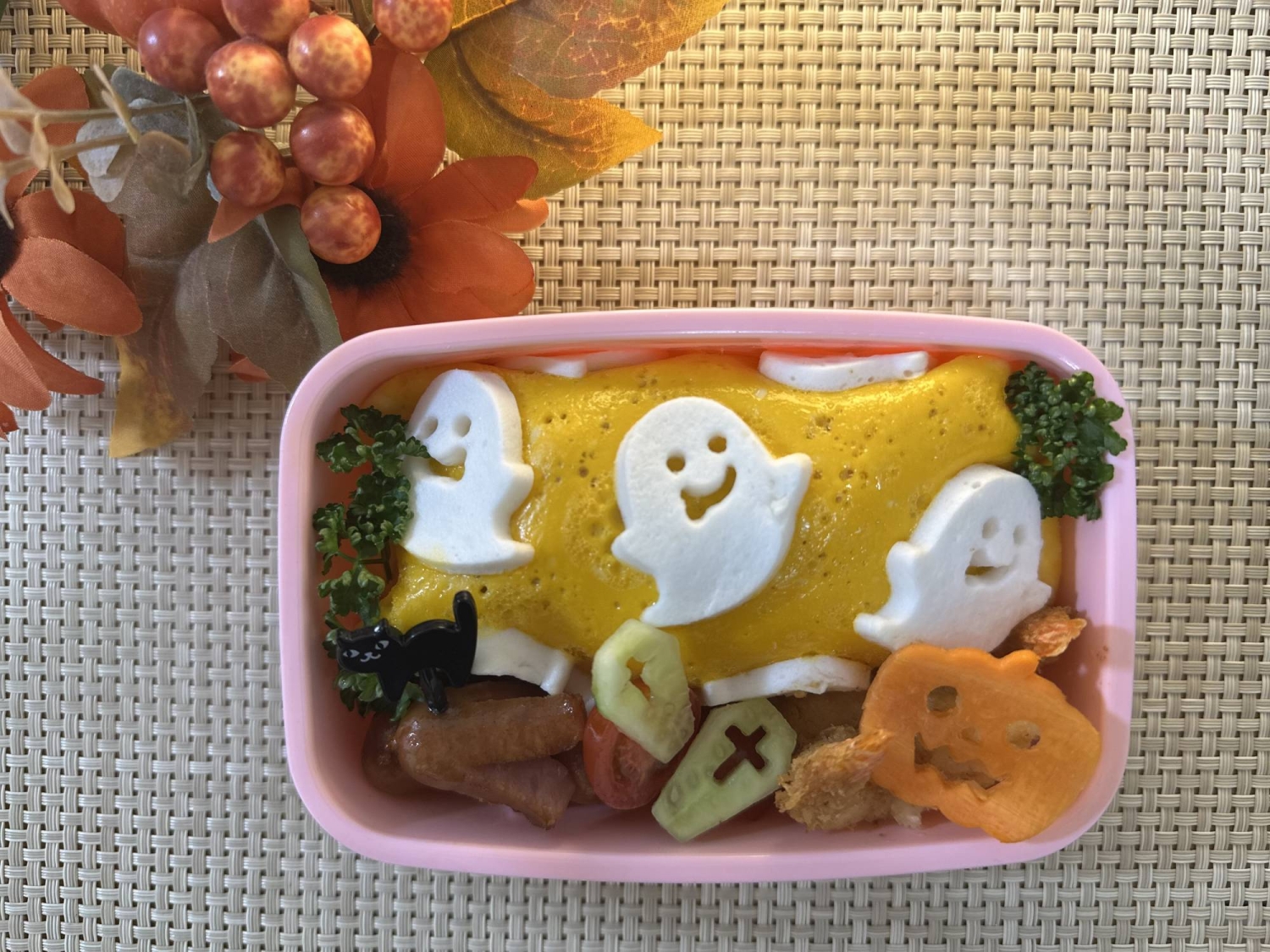
Autumn twilight in Tokyo once heralded an unmistakable compression of public space. Young crowds routinely funneled toward commercial crossroads, transforming train stations and narrow alleys into unscripted, chaotic carnivals borrowed from abroad. Today, that seasonal pulse registers somewhere far quieter: at kitchen counters, where seaweed is trimmed into miniature silhouettes and rice is pressed into character-themed lunchboxes.
Guidance published by The Japan Times Life illustrates this inward retreat, urging consumers to learn domestic culinary vocabulary while preparing character-themed bento and spooky snacks. What was previously an outdoor, public performance has been broken down into domestic craft. This shift is neither accidental nor entirely voluntary. Across the region, the civic appetite for dense, unregulated autumn street gatherings changed permanently after October 2022.
The Memory of Crowded Streets
Late October carries an enduring shadow in East Asia. In 2022, an evening that should have been an exuberant return to communal nightlife in Seoul collapsed into disaster. Reporting by The New York Times documented at least 151 deaths in a catastrophic crowd surge, a toll revised by CNBC to 153 as families mourned and demanded answers. Reuters subsequently tracked formal investigations and the widespread cancellation of seasonal festivals, noting immediate anxieties over chilled consumer spending.
That tragedy ruptured the myth that hyper-dense East Asian capitals could harmlessly accommodate massive, spontaneous street revels without stringent municipal control. Authorities throughout neighboring metropolises took quiet note. The logistical friction imposed on central districts expanded, dampening spontaneous street culture under layers of security barriers, rerouted foot traffic, and stern public advisories.
When municipal systems squeeze public congregating, consumer habits adapt rather than disappear. Rather than packing Shibuya or district nightlife strips, autumn amusement migrated toward kitchen tables and controlled retail packages. Four subscription boxes bringing a taste of Japan straight to domestic doorsteps, highlighted by The Japan Times in 2020, foreshadowed how easily home delivery and private domestic consumption could supplant communal gathering places.
Packaging the Spooky Domesticity
Cuteness becomes a mechanism of domestic management. By reducing monster motifs to character bento components, households tame an imported, disruptive carnival into disciplined culinary design. It demands precise dexterity rather than collective energy. Children and adults engage with seasonal motifs through culinary craft, converting a public festival into a quiet exercise in aesthetic presentation.
Commercial enterprises benefit directly from this domestic redirection. Marketing packaged ingredients, miniature cutters, and culinary tutorials shifts retail spending away from public hospitality venues toward supermarkets and kitchenware counters. The consumer pays for individual ingredients and small craft tools, absorbing the work of entertainment entirely at home.
The retreat into character-themed bento turns public festival into an intensely disciplined, private culinary craft.
Critics of this domestic pivot might argue that kitchen craft reflects ordinary seasonal family leisure rather than civic retreat. After all, domestic cooking guides appear across every culture whenever autumn returns. Yet dismissing the geopolitical and spatial context ignores the suddenness with which outdoor gatherings were curbed across East Asian capitals after 2022. The appetite for crowded streets did not merely dissolve through consumer boredom; it was steered inward by collective memory, administrative pressure, and an insistence on orderly safety.
Kitchen tables now anchor an autumn ritual that once belonged to public thoroughfares. By framing the celebration through vocabulary lessons and neatly assembled lunchboxes, modern consumer culture offers comfort without unpredictability. The dark seasonal chill remains outside the window, replaced inside by molded rice and steady kitchen knives.
Sources
Newsletter
Pacific Daily
A curated briefing from Thailand, Asia-Pacific and the world.