The Compact Electric Vehicle Dilemma in Singapore
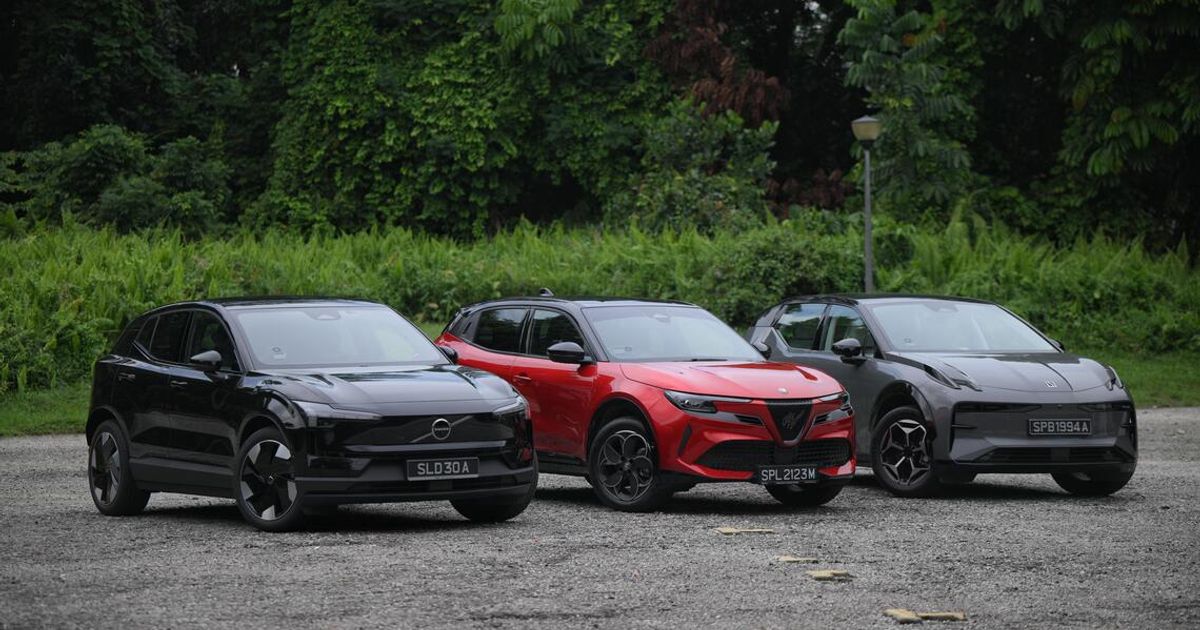
Smaller crossovers like the Volvo EX30 and Zeekr X meet urban regulatory limits, yet physical downsizing tests the commercial appeal of premium electrification.
SINGAPORE
Dense cities penalise physical bulk, yet vehicle markets historically reward it. In Singapore, where urban space demands geometric restraint, passenger transport operates under regulatory categories designed to cap vehicle growth. The recent convergence of compact battery-powered crossovers within the Category A Certificate of Entitlement framework exposes an inherent tension between administrative efficiency and automotive aspiration.
From a purely physical perspective, small electric vehicles resolve several basic contradictions of zero-emission mobility. Large passenger electric cars carry significant mass, requiring oversized battery packs that demand extensive raw materials and exert considerable downward force on tarmac. That weight increases road surface wear and accelerates tyre degradation, creating secondary particulate emissions that run counter to clean air mandates. By contrast, models designed with modest footprints require smaller battery packs, use fewer resources in production, and generate less mechanical abrasion on city streets.
The Friction of Compact Proportions
Recent arrivals reflect how manufacturers attempt to package prestige into smaller footprints. The Alfa Romeo Junior Elettrica, the Volvo EX30 Ultra, and the Zeekr X Urban each seek to capture urban buyers by squeezing modern electric powertrains into the lower regulatory tier of Category A COE. On paper, these machines fit the precise requirements of an island state: they offer manoeuvrability through narrow carparks, low energy consumption during stop-and-go driving, and reduced tyre wear across dense suburban road networks.
Physical restraint solves engineering liabilities, yet regulatory qualification cannot instantly alter buyer habits accustomed to spatial excess.
Yet technical logic rarely dictates consumer behaviour on its own. Premium badges built their reputations on generous interior volume, commanding road presence, and long-range grand touring capabilities. When established European names and newer Chinese entrants shrink their offerings to slip below administrative horsepower or capacity thresholds, they ask drivers to pay significant regulatory premiums for noticeably reduced cabin volume.
Unresolved Market Viability
The primary counterargument maintains that urban utility will naturally supersede vanity. Drivers navigating tightly controlled city centres eventually recognise that excess vehicle width is a liability rather than a luxury. Compact proportions ease navigation through dense estates while lowering total operational energy demands, making the trade-off in cargo capacity sensible for daily commuting.
That argument assumes motorists evaluate personal transport through technical rationality alone. In reality, the high acquisition costs imposed by vehicle quotas often encourage purchasers to seek maximum visible footprint for their expenditure. When a vehicle quota certificate costs as much as the metal beneath it, buyers frequently resist spending capital on diminutive proportions, regardless of how well an electric compact preserves road infrastructure or limits particulate matter.
Whether smaller battery crossovers can establish enduring viability in tightly managed metropolitan markets remains an unanswered economic question. Regulators have constructed clear incentives to keep vehicle dimensions and battery sizes modest. Automakers have delivered engineered solutions that fit those parameters. The unresolved contest is whether an urban middle class will accept that less car represents an adequate return on a substantial financial commitment.
Sources
Newsletter
Pacific Daily
A curated briefing from Thailand, Asia-Pacific and the world.