The Commercial Mall Food Hall Faces the Limits of Novelty
Westfield Topanga repurposes vacant department store square footage with transient culinary concepts, testing whether spectacle can replace stable dining traffic
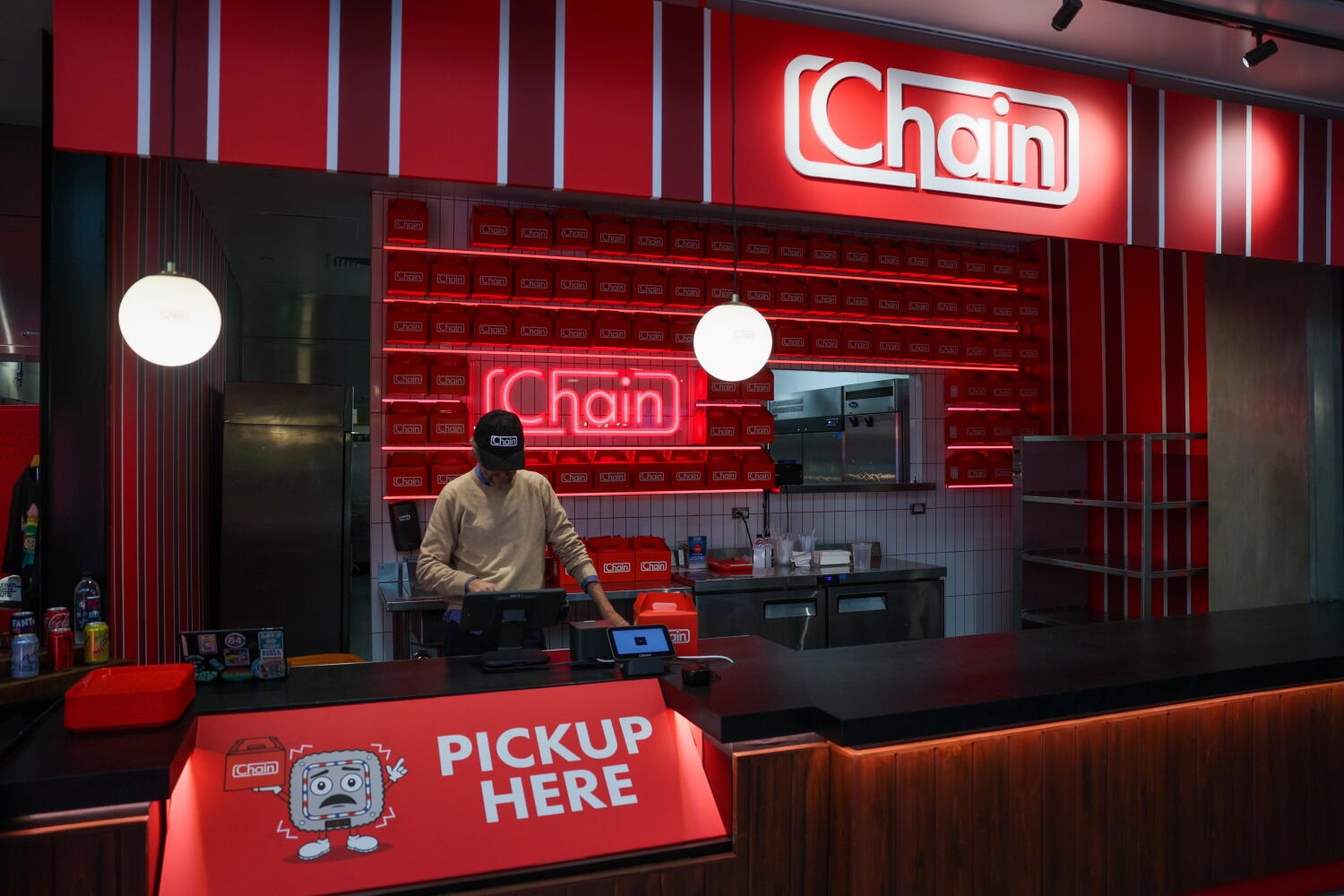
Commercial kitchen planning operates on a basic physical reality: heat, grease, and perishable inventory demand fixed mechanical infrastructure, whereas retail marketing lives on constant turnover. At Westfield Topanga, the spatial consequence of that contradiction has become visible where a former Sears anchor store once stood. Landlords facing structural retail vacancies have turned to hospitality operators to fill departed department store floor plates. At this shopping centre, property managers installed Topanga Social, introducing transient culinary tenants including a long-term pop-up venture branded as Chain. The installation represents an explicit effort to manufacture sustained foot traffic through curated hospitality rather than retail commodity sales.
Public reporting by the Los Angeles Times indicates that shopping centres across North America are testing communal food halls to solve square footage deficits. When department stores vacate anchor footprints, retail centers lose predictable commuter footfall and weekend shopping routines. The commercial reaction replaces stable retail tenancies with high-rotation food counters. Inside Topanga Social, specialty products such as Cheez-It-flavored menu items illustrate a deliberate turn toward brand-partnership novelties. General Manager Logan Abbene supervises an environment calibrated to arrest wandering foot traffic through ephemeral, internet-circulated menu concepts.
Assembly line technique replaces traditional culinary duration. Small prep stations substitute for comprehensive butcheries and expansive walk-in pantries.
The Cost of Pop-up Operations
Operating temporary dining concepts within enclosed commercial centres introduces financial friction that long-term dining leases historically avoided. Standard full-service restaurants amortise kitchen ventilation, gas mains, and interior architecture across decade-long leases. A long-term pop-up model, by contrast, must recover initial fit-out expenses before consumer curiosity flags. Ephemeral menu items generate brief traffic spikes, but maintaining consumer interest requires perpetual promotional spending and recurrent recipe reformulations.
The logistical burden behind shared food hall footprints remains substantial. Multi-tenant facilities require high-capacity grease interceptors, synchronized cold storage distribution, and unified scullery teams to process high volumes of shared tableware. If vendor foot traffic drops between peak lunch and dinner hours, common-area service overheads persist unabated, squeezing thin operator margins. Limited back-of-house square footage inevitably forces vendors toward par-cooked components, pre-mixed sauces, and rapid reheating methods rather than continuous from-scratch execution.
Structural Fragility Behind Manufactured Footfall
Advocates of flexible food hall formats maintain that compartmentalised vendor rosters protect retail real estate from catastrophic vacancies. Landlords argue that if an individual pop-up underperforms, management can reassign the stall with minimal construction delay, avoiding the protracted dark periods common to bankrupt anchor department stores. Industry observers note that younger consumer segments increasingly abandon standard franchise menus, favouring limited-edition culinary collaborations and hyper-specific menu concepts.
That tactical flexibility, however, exposes an operational limitation. Pop-up operations depend on social novelty rather than entrenched domestic habits or reliable commercial lunch crowds. Customers drawn by specialized brand partnerships rarely develop enduring regional loyalty once social attention migrates to newer retail spectacles. For commercial centres throughout the Pacific Rim confronting depleted department store corridors, converting vacated retail anchor space into pop-up food operations provides immediate floor occupancy. What remains unsettled is whether transient novelty can ever generate the structural, long-term solvency once provided by traditional commercial anchors.
Sources
Newsletter
Pacific Daily
A curated briefing from Thailand, Asia-Pacific and the world.