Tar & Roses Closure Highlights Economic Strain on Ingredient-Focused Dining
The end of a nearly 15-year run for a Santa Monica restaurant, Tar & Roses, suggests wider pressures on refined culinary operations, resonating beyond its Californian setting.
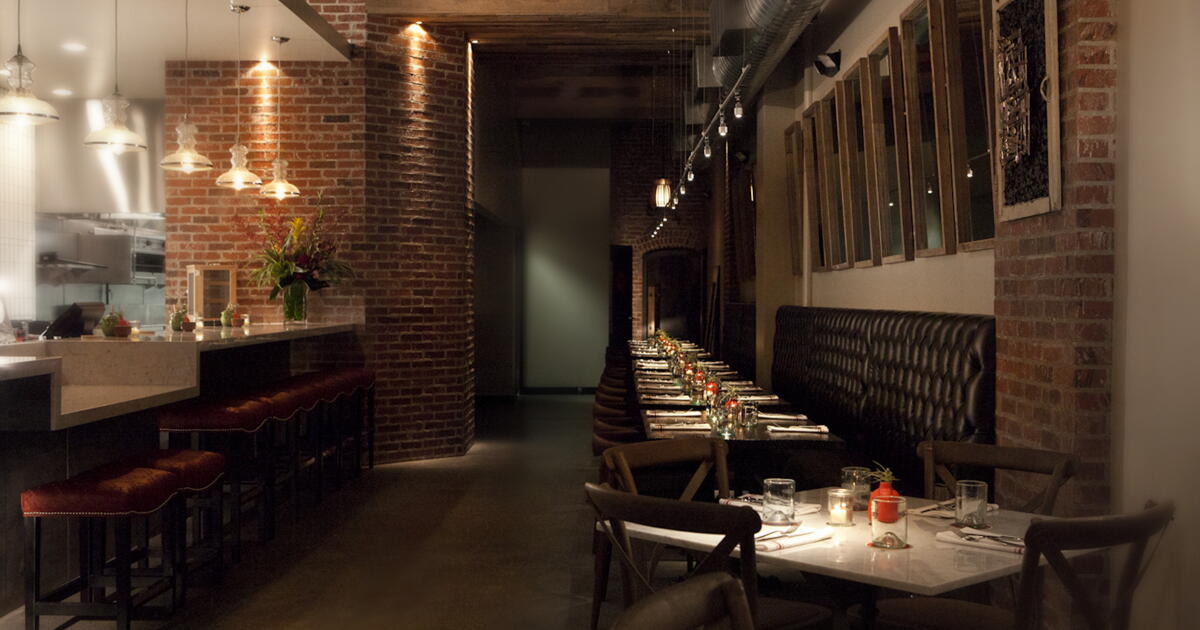
The imminent closure of Tar & Roses in Santa Monica marks the cessation of nearly 15 years for chef Andrew Kirschner’s New American restaurant. While the Los Angeles Times Food report focuses on a local loss, the decision to close, described by the chef as “death by a thousand cuts,” points to a broader, challenging environment for restaurants that prioritize technique and quality ingredients.
Andrew Kirschner, a Santa Monica native and an alum of Joe’s in Venice and Table 8, established Tar & Roses as his first solo venture. Its reputation centered on a wood-burning oven, a detail that speaks to a specific culinary approach: one that values fundamental cooking methods and ingredient-driven menus. Such a focus requires consistent sourcing, skilled labor, and an audience willing to pay for what is not mass-produced.
The phrase “death by a thousand cuts” suggests a cumulative effect of various pressures rather than a single catastrophic event. This implies thin margins, rising operational costs, and possibly a plateauing or declining customer base. In a restaurant model built on precision and fresh components, any disruption to supply chains, labor availability, or consumer spending power directly impacts viability. A significant factor in profitability for this type of establishment often lies in the purchasing and management of raw materials, where even minor cost increases can erode already tight returns. The financial data needed to fully assess the specific pressures on Tar & Roses are not publicly available, making the chef's qualitative description the primary insight.
The New American culinary identity, frequently defined by local ingredients and global influences, is an export often studied in burgeoning food scenes across the Pacific Rim, including Thailand. Chefs in Bangkok and other regional hubs look to trends originating in Los Angeles or New York for inspiration, especially concerning ingredient-focused, less formal dining experiences. The challenges faced by a well-regarded American restaurant after almost 15 years in business, therefore, serve as a cautionary signal. If a seasoned operator like Kirschner, with a history including Joe’s and Table 8, encounters such difficulty, it raises questions about the long-term sustainability of similar mid-to-high-end concepts relying on careful sourcing and technique.
While the American market differs from those in Southeast Asia, the underlying economic pressures on restaurants—rent, labor, and procurement—are universal. For aspiring restaurateurs in regions like Thailand who often emulate Western dining models, the closure of Tar & Roses illustrates that even successful, long-standing establishments can succumb to persistent financial strain. It underlines the importance of robust business models and adaptability, particularly as global economic shifts impact consumer discretionary spending and the cost of quality ingredients. The specific implications for the Thai market would require an examination of local economic conditions and consumer habits, but the principle of cumulative financial stress remains relevant.
The event also highlights a tension: the desire for precise, ingredient-driven cuisine versus the economic realities of maintaining such an operation over time. The “thousand cuts” are likely to be precisely those areas where cost control becomes most difficult in a quality-focused establishment. The unresolved tension remains how to sustain culinary artistry when the economic levers are constantly pushing against the very foundations of its existence.
Sources
Newsletter
Pacific Daily
A curated briefing from Thailand, Asia-Pacific and the world.