Six Alterations Reveal New Zealand's Structural Pressure Ahead of Twickenham Rematch
A reshuffled lineup for the Nations Championship fixture against England exposes how tactical volatility and roster depth test traditional selection discipline.
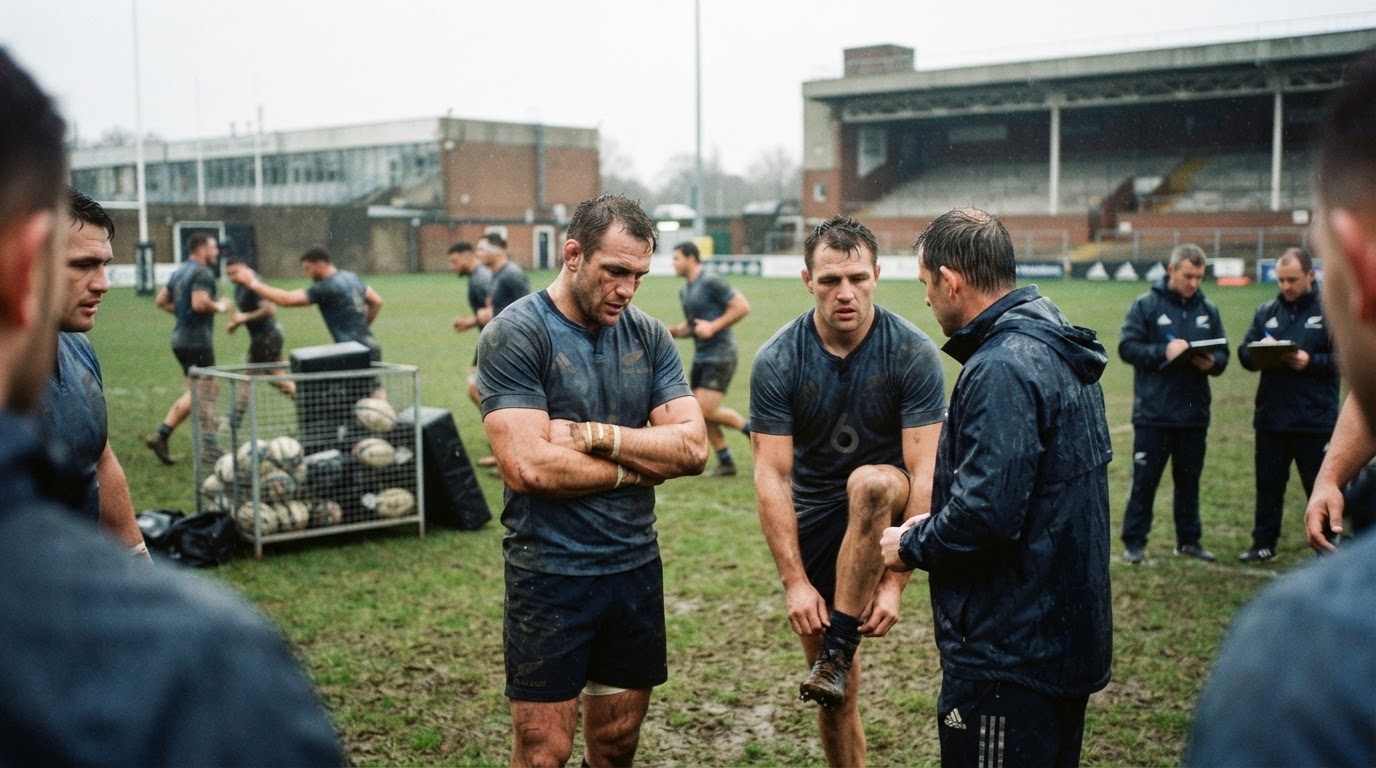
Elite international rugby rarely permits wholesale structural revision without signalling underlying tactical distress. When New Zealand confirmed six changes to their starting selection for the November rematch against England at Allianz Stadium, the adjustment moved beyond routine squad rotation. Under the competitive framework of the Nations Championship, an encounter in Twickenham operates as a strategic stress test where selection decisions carry immediate operational consequences.
The decision to alter over a quarter of the starting roster points to an unresolved debate over tactical execution. Following the earlier contest on November 21, 2026, where England deployed Ollie Chessum and Fin Smith to contest territory, New Zealand faced a direct challenge to their distribution and counter-attacking rhythm. The reliance on established operators like Damian McKenzie and Jordie Barrett alongside Joshua Moorby indicates a search for balance between stability and reactive tactical reform.
Structural Adaptation Under Championship Demands
Historically, New Zealand relied on selection continuity to dictate the tempo of international tours. Lineup changes were typically incremental, preserving combinations across multiple test matches to enforce technical discipline. Instituting six personnel adjustments ahead of a singular rematch against an opponent familiar with their defensive structure departs from that precedent, reflecting how modern tournament calendars penalise tactical rigidity.
Rapid personnel rotation exposes the operational tension between long-term squad development and the immediate necessity of winning test matches.
Opposing defensive alignments have progressively disrupted traditional advantages in wide channels. Tactical pressure around English playmakers like Fin Smith disrupted clearance options during the earlier engagement, compelling New Zealand to reassess their backline cohesion. By integrating Joshua Moorby alongside Jordie Barrett and Damian McKenzie, the management group is attempting to address defensive vulnerability without sacrificing counter-attacking threat.
Yet rapid personnel adjustments carry significant friction. A six-player rotation inevitably strains communication across defensive phases and set pieces, particularly inside a hostile environment such as Twickenham. While the rationale behind the alterations centers on tactical surprise and countering specific physical matchups, the risk of unforced operational errors rises when combinations lack sustained match minutes together.
The Strategic Ledger for Pacific Rugby
For regional rugby governance across the Pacific, the tactical volatility visible in New Zealand's selection reveals an intensifying competitive squeeze. The Nations Championship structure accelerates the pace of rematches, compressing the window available for coaching staffs to evaluate technical performance. Tactical adjustments that previously developed across an entire international campaign must now occur within days, exposing player pools to severe physical and operational demands.
England enters the fixture holding structural familiarity, capable of building upon tactical benchmarks established on November 21. For New Zealand, executing six simultaneous changes represents an attempt to regain strategic agency rather than merely answering English pressure. The unresolved constraint remains whether wholesale lineup intervention can deliver stability against a measured tactical framework, or whether it simply shifts competitive vulnerability into untried channels.
Sources
Newsletter
Pacific Daily
A curated briefing from Thailand, Asia-Pacific and the world.