Pet Trade Risks Highlight Policy Inertia, Not Complexity, in Asia-Pacific
Scientists identify relatively simple solutions to the biodiversity and health threats posed by the exotic pet trade, drawing attention to a gap between available knowledge and governmental action.
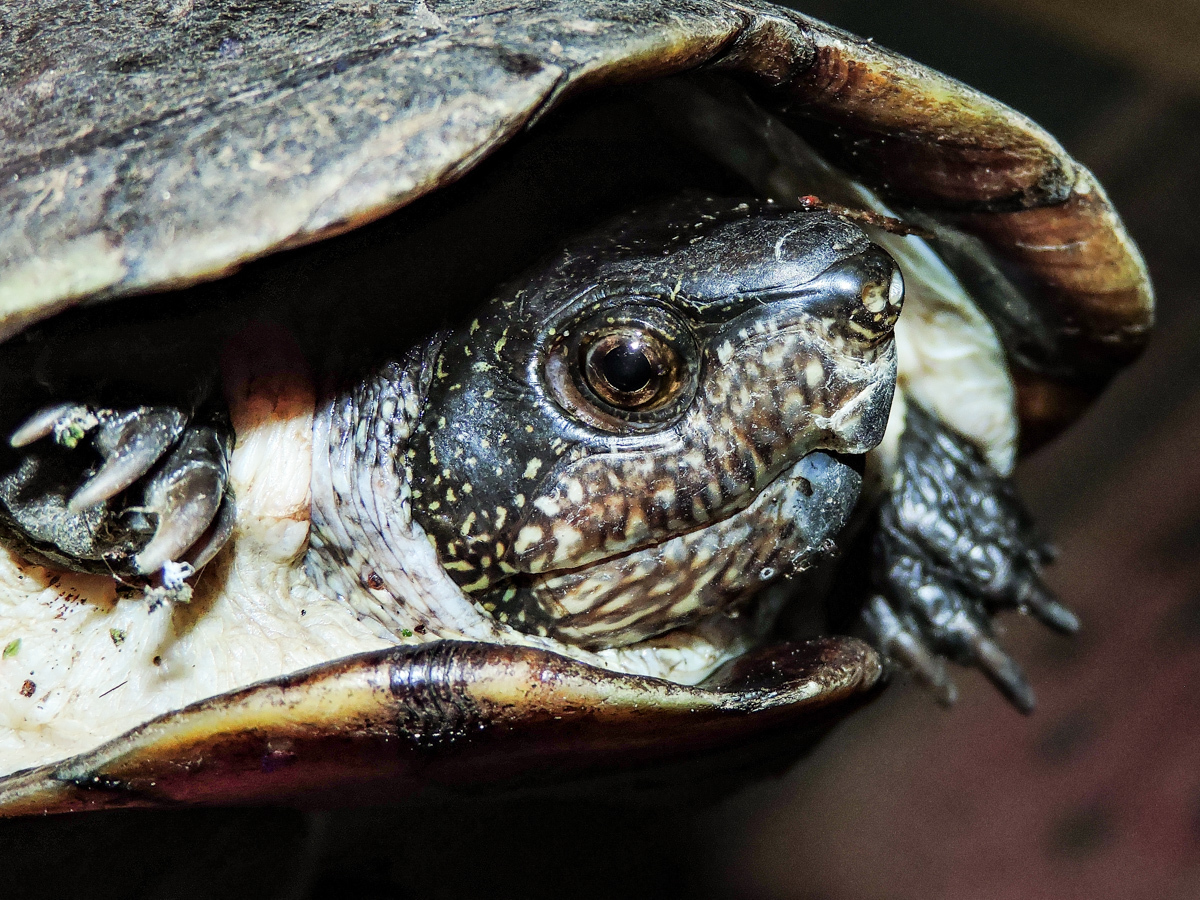
The global pet trade, particularly involving exotic reptiles and amphibians, presents clear risks to both biodiversity and human health. Scientists argue that, unlike more complex global challenges such as climate change, readily available solutions exist to mitigate these dangers. This assessment, presented by Susan Lieberman of the Wildlife Conservation Society and Sandra Altherr of Pro Wildlife, suggests that policy inertia, not an absence of viable strategies, hinders progress.
Ms. Lieberman described the international wildlife trade for pets, reptiles, amphibians, and other species as "a massive experiment." This framing underscores the inherent unpredictability and potential for widespread negative outcomes. The identified risks extend beyond environmental degradation, encompassing potential human health impacts, though the specific mechanisms are not detailed in the available material. The emphasis on "relatively simple" solutions implies that the required interventions are within current administrative and regulatory capacities.
Action at a governmental level remains a significant hurdle. The global trade landscape itself is characterized by disruption, as noted by Thomson Reuters tax in February 2026, alongside persistent large-scale trade flows like China's record USD 1 trillion trade surplus announced by the BBC in January 2026. Within this dynamic environment, the pet trade operates, often exploiting regulatory gaps.
The economic implications of trade disruptions have been felt across the Asia-Pacific. The Straits Times reported in April 2025 that "Trump’s trade war puts Singapore’s economic growth, jobs and wages at risk, says MAS." While this refers to broader economic forces, it illustrates how trade policy, or its absence, can have concrete effects on regional economies and livelihoods. The pet trade, though a smaller component of global commerce, still represents a value chain that could be impacted by stricter regulations.
The core of the issue appears to be a disconnect between scientific consensus on risk and policy implementation. Solutions, according to scientists, are not as intricate as those for other environmental crises, where approaches like incorporating indigenous knowledge, as discussed by Hopkins Bloomberg Public Health Magazine in September 2024, may be necessary. Here, the challenge is described as one of political will rather than scientific discovery or technological innovation. The continued proliferation of the exotic pet trade despite recognized risks highlights how economic incentives and consumer demand can outpace regulatory response.
For countries in the Asia-Pacific, where unique biodiversity is abundant and trade routes are extensive, this situation presents a specific challenge. Implementing effective controls would require coordinated action, potentially mirroring some aspects of global disarmament efforts that the United Nations works to facilitate. The outcome for biodiversity and public health in the region will depend on whether governments translate these relatively simple solutions into enforceable policies.
Sources
Newsletter
Pacific Daily
A curated briefing from Thailand, Asia-Pacific and the world.