Marc Jacobs Bets on Mass Distribution in Greater China
A multi-channel pact with Hong Kong retailer I.T Group trades brand scarcity for retail volume across mainland commercial corridors.
SINGAPORE
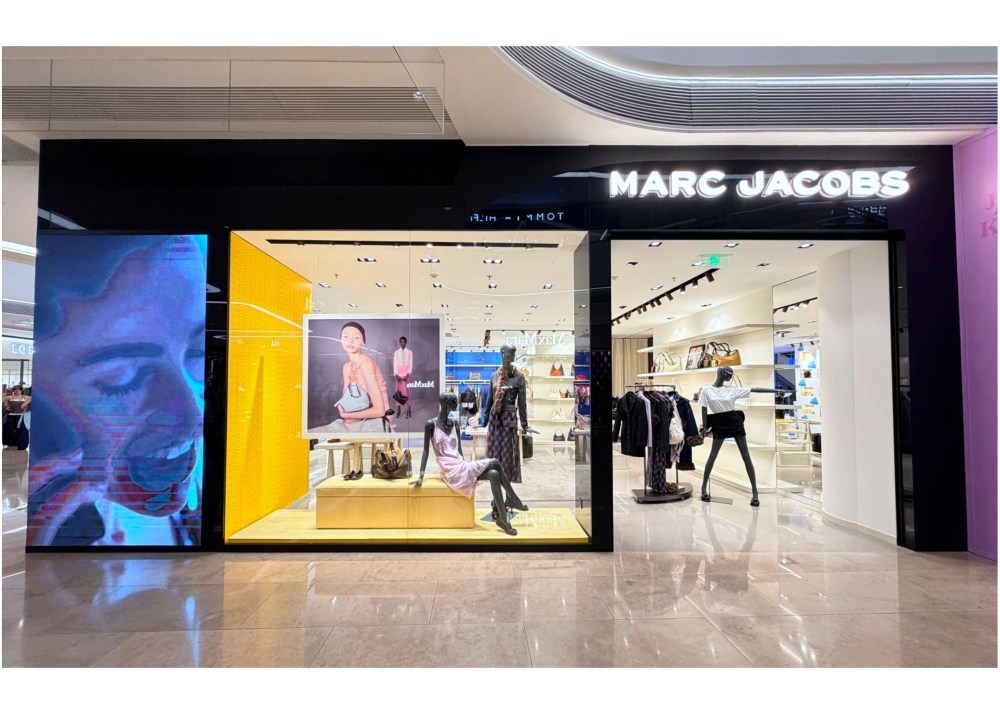
Retail licensing pacts rarely signal artistic reinvention. Instead, corporate distribution alliances indicate balance-sheet calculations, where intellectual property owners seek geographic volume to offset mature domestic markets. The announcement that brand owners WHP Global and G-III Apparel Group Ltd. have partnered with Hong Kong multi-brand operator I.T Group across Greater China conforms strictly to this commercial script. Under the agreement, the enterprise intends to accelerate regional expansion through stand-alone boutiques, shop-in-shop locations, digital channels and wholesale accounts.
Corporate press releases inevitably frame distribution rollouts as creative validation. Sham Car Wai, founder and chairman of I.T Group, framed the initiative around distinctive brand identity and regional consumer appetite. Strip away the promotional vocabulary, however, and the structural reality looks considerably more transactional. When international apparel labels sign regional licensing and distribution rights over to regional retail aggregators, they are fundamentally choosing physical volume over deliberate scarcity.
The Mechanics of Volume
I.T Group brings an established retail architecture built over decades. Founded in Hong Kong in 1988, the firm developed its footprint by importing international apparel names, cultivating sub-labels, and managing hundreds of retail doors across mainland shopping centers. For Marc Jacobs, leaning into this network bypasses the substantial capital expenditure required to establish directly operated flagship stores across multiple tier-one and tier-two Chinese urban hubs.
Handing the operational reins to an intermediary changes the brand equity equation. Multi-brand conglomerates operate on shelf turnover, foot traffic and rapid stock conversion across extensive retail footprints. Stand-alone boutiques sit beside wholesale distribution racks and multi-channel department store concessions. In such an ecosystem, commercial success depends on unit velocity. Premium labels that scale aggressively through shop-in-shop corners and wholesale concessions regularly dilute their pricing leverage, turning premium accessories into everyday mall commodities.
Physical expansion across regional department stores solves immediate revenue targets while eroding perceived exclusivity.
Wholesale distribution channels in East Asia face discerning buyers who increasingly separate authentic artisanal heritage from private-equity-backed licensing vehicles. Consumers in Shanghai, Beijing and regional urban centers possess immediate access to global pricing metrics. When a label broadens its distribution base across hundreds of points of sale, markdown pressure inevitably follows. Inventory that fails to clear at full margin moves into seasonal discounts, which compresses wholesale earnings.
Shifting Capital Exposure
For G-III Apparel Group Ltd. and WHP Global, shifting capital obligations to I.T Group insulates corporate balance sheets from the operational friction of Greater China retail leasing. Mainland commercial real estate presents variable foot traffic and demanding landlord terms. By licensing the commercial footprint, the American corporate partners secure contractual revenue while the retail partner absorbs the lease liabilities, inventory carrying costs and local staffing overhead.
This defensive allocation of financial risk carries distinct operational tradeoffs. Regional aggregators must balance multiple competing labels across their retail floors, from independent Japanese streetwear lines to European contemporary houses. Marc Jacobs becomes one asset among dozens competing for optimal display square footage, window placement and marketing budgets inside crowded shopping arcades.
Whether consumer appetite can absorb accelerated store counts across Greater China remains uncertain. Expanding points of sale produces immediate wholesale receipts on corporate balance sheets, but it cannot manufacture enduring demand. Once an apparel brand broadens physical access across dozens of commercial developments, recovering its aura of scarcity becomes impossible.
Sources
Newsletter
Pacific Daily
A curated briefing from Thailand, Asia-Pacific and the world.