Evaluating the Michelin Guide's Entry into South Australia
International restaurant ratings alter regional dining economies by shifting prestige toward formal tasting menus and global capital.
Vine rows terrace the Adelaide foothills beneath a quiet horizon, framing Magill Estate Restaurant as it looks out across the Penfolds grounds. On October 14, 2026, the Michelin Guide distributed its inaugural Australian honours here, selecting 11 dining rooms across South Australia for the 2027 edition. Two Michelin stars went to Magill Estate Restaurant, where chef Scott Huggins oversees tasting experiences reaching 375 Australian dollars, or 260 United States dollars per person. Ten additional venues received one star each, including Aurora at ILA, an institution anchored within an arts compound connected to Nicholas Dunstone. Establishments like Restaurant Botanic, alongside culinary figures such as Christopher Horner and Steve Blanco, now find their work calibrated against an imported international standard.
Dining assessment has long operated on codified rituals. For decades, travellers looking toward dining centres across Japan and the United States relied on such guidebooks to decipher regional landscapes. South Australia established its culinary standing through local agricultural proximity and relatively unpretentious dining rooms. An outside rating apparatus, however, often standardises what it encounters. It tends to reward specific choreography: lengthened tasting formats, elevated cellar pricing and technical service rituals that match global luxury habits rather than ordinary domestic routines.
The Economics of Prestige
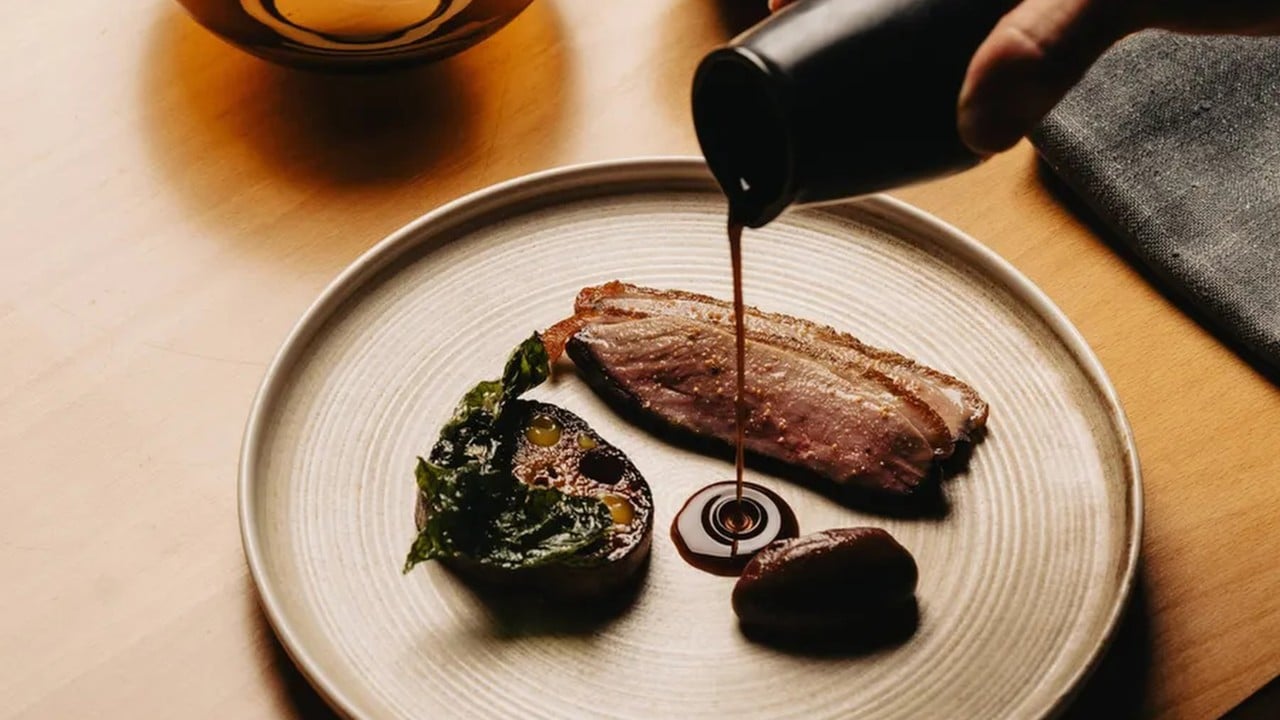
High-cost dining frequently reconfigures who occupies provincial dining rooms. At 260 United States dollars per person before beverages, multi-course formats cater primarily to high-yield travellers rather than neighbourhood regulars. The Michelin Guide South Australia selection effectively certifies these establishments as export commodities. Capital typically gravitates toward star recipients, while surrounding independent venues can face rising commercial rents and intensifying competition for kitchen staff.
Proponents argue that external validation provides indispensable insulation during periods of regional economic restructuring. Star allocations can direct discretionary spending into South Australia by attracting affluent travellers who might otherwise bypass Adelaide. Global visibility generates measurable patron interest for boutique producers, winemakers and service staff whose livelihoods depend on premium consumption. The economic momentum of dining prestige, from this perspective, extends far beyond the kitchen pass.
External recognition directs capital toward structured luxury, frequently overshadowing the modest dining institutions that sustain agricultural communities.
Shifting Culinary Geographies
That appraisal has practical merit, yet it risks mistaking commercial evaluation for organic cultural health. Menu composition often narrows when culinary excellence becomes closely aligned with foreign benchmarks. Chefs may begin designing dishes to satisfy visiting inspectors, favouring predictable techniques over volatile local experiments. Creative independence risks becoming subordinate to the retention of stars.
Institutions such as Aurora at ILA demonstrate how contemporary gastronomy intersects with commercial restructuring and institutional patrons. As art spaces and fine dining merge under structured financing, dining landscapes become increasingly formalised. The local hospitality fabric risks shifting from a community-centred practice into an audited performance designed for international travellers. What begins as an appreciation of regional soil can gradually evolve into an insular circuit of elite consumption.
The vines at Magill Estate will continue to bud and shed fruit irrespective of inspectors or international publicity. What alters is the social meaning of the space beneath them. As South Australia incorporates foreign validation, its tables may ultimately belong slightly less to the residents who cultivated them and slightly more to the passing itineraries of affluent diners.
Sources
Newsletter
Pacific Daily
A curated briefing from Thailand, Asia-Pacific and the world.