Cross-Border Friction Slows North American Travel Recovery
Slumping cross-border velocity exposes the limits of pent-up demand as North American transport corridors face structural friction.
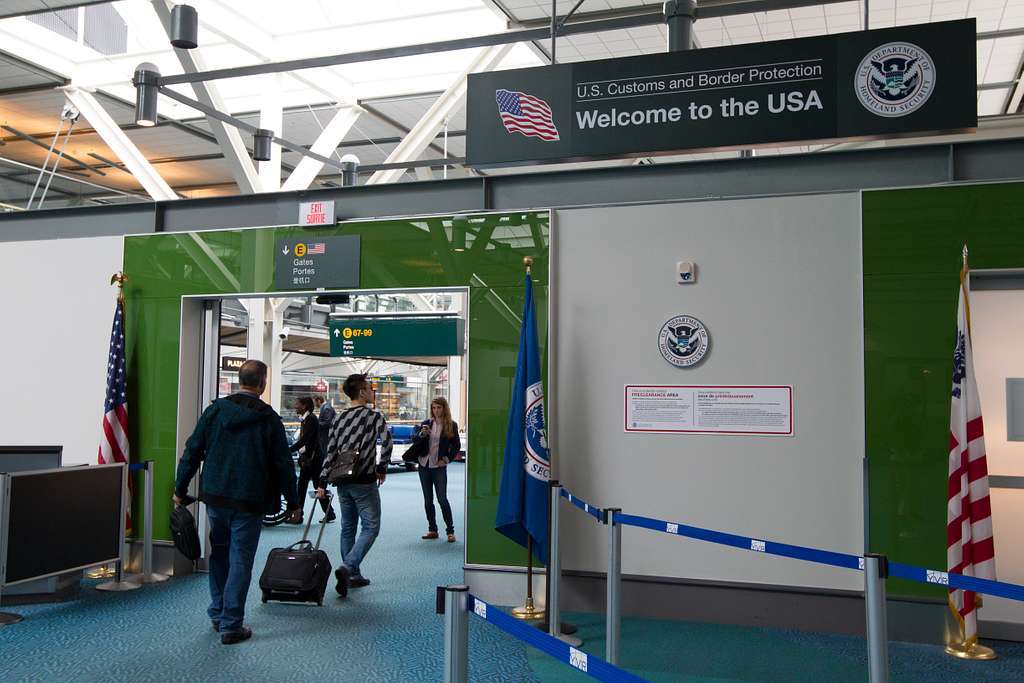
Cross-border passenger movements between Canada and the United States have struck a statistical ceiling. Statistics Canada recorded a 3% expansion in Canadian-resident return trips from south of the border during October, a noticeable deceleration from the 6.8% year-over-year growth registered in September. Though October represents the seventh consecutive month of annualised volume gains, the aggregate flow of travellers remains substantially below 2024 levels. Intent, indicated by sustained digital interest in destination corridors, has ceased to translate reliably into physical transit across customs checkpoints.
Historically, bilateral travel along the northern frontier served as the primary barometer of broader North American transport resilience. That baseline has degraded. While aggregate interest remains elevated despite higher airfares, passenger clearance pipelines such as Vancouver International Airport reveal a more friction-heavy reality. Travellers face compounding operational bottlenecks and persistent ticket premiums, transforming customary regional mobility into discretionary expenditure. The gap between browsing volumes and border crossings demonstrates that consumer willingness to inspect itineraries no longer guarantees seat clearance.
Decelerating Cross-Border Transit
The immediate consequence for transport networks is a structural flattening of the post-disruption trajectory. Airlines and hub operators had predicated fleet repositioning on an eventual restoration of 2024 benchmarks, yet the deceleration from September’s 6.8% to October’s 3% points toward durable inertia. Price adjustments and high operating costs are suppressing marginal volume, stranding capacity along previously predictable routes.
Beyond domestic pricing pressures, outbound regional displacement generates subtle realignments across extended international transit networks. When short-haul bilateral corridors between mature economic partners experience persistent price and processing drag, long-haul routing assumptions eventually shift. Global air carriers servicing transpacific gateways rely upon seamless precleared connections through Canadian hubs into the secondary interior of the United States. A structural slowing of continental throughput complicates feeder load factors, requiring network planners to reconsider direct gateway allocation.
The Lingering Structural Bottleneck
Skeptics may argue that a 3% increase still marks uninterrupted positive growth across seven successive months, indicating an extended plateau rather than an outright contraction. Digital search volume suggests underlying consumer demand has not evaporated. However, maintaining positive fractional growth while trailing 2024 performance by a wide margin leaves ground infrastructure and scheduled seat capacity misallocated.
The unresolved tension lies in the structural costs that cross-border operators can neither absorb nor easily pass along. Until customs throughput and underlying airfare inflation settle into equilibrium with passenger purchasing power, cross-border mobility will remain confined to an anemic baseline.
Sources
Newsletter
Pacific Daily
A curated briefing from Thailand, Asia-Pacific and the world.