What Survives Behind the Dining Table in Tsim Sha Tsui
At sixty-five, a Hong Kong establishment reveals how urban memory relies on continuity rather than reinvention.
SINGAPORE
Older dining rooms operate on an unwritten agreement where consistency carries far more authority than novelty. In commercial districts constantly reshaped by redevelopment, that quiet understanding serves as a ballast against sudden dislocation. When an independent kitchen crosses six decades without altering its culinary vocabulary, the achievement reflects more than stubbornness; it reveals how an urban community preserves its generational debts.
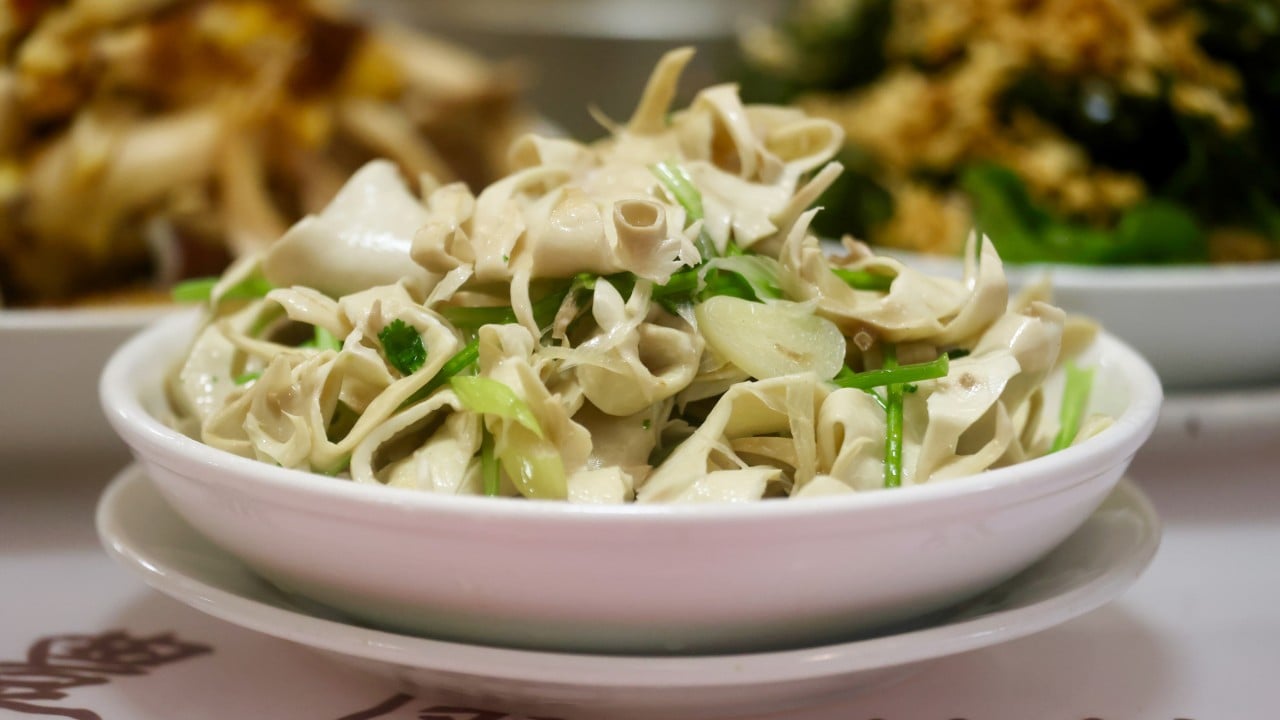
Tai Fung Lau Peking Restaurant has maintained that position in Hong Kong’s Tsim Sha Tsui district for sixty-five years. Marking its 65th anniversary in 2026 under second-generation owner Steve Wan, the establishment continues to defend the kitchen standards established by his father. According to accounts gathered by local reporting, regular patrons point consistently to basic fundamentals: unpretentious dishes, generous portions, and value for money. Behind the front counter and among the long-serving kitchen staff, the restaurant maintains a culinary lineage rooted in Lu cuisine from China’s Shandong province, alongside northern dishes often grouped under Beijing banners. Historical ties to figures such as Bruce Lee remain preserved in the room's institutional memory rather than paraded as marketing collateral.
The Friction of Continuity
Preserving an inherited template in a dense commercial district represents a calculated economic choice.
Standard commercial leasing environments in Hong Kong regularly pressure independent operators to adopt rapid cosmetic renovations or abridge their offerings to capture transient dining trends. Wan has chosen instead to protect the physical interior, flavour profiles, and serving sizes inherited from his father. This institutional posture suggests a deliberate rejection of novelty. Yet maintaining such practices brings observable strains. Traditional northern Chinese preparations with hearty portions face shifting generational preferences among younger urban diners, while running a labour-intensive kitchen with veteran workers inevitably clashes with overhead costs in prime commercial zones.
Memory as Civic Infrastructure
The survival of Tai Fung Lau matters because Asian metropolises are steadily losing the everyday spaces that anchor neighbourhood identity.
When family-run culinary operations close, specific regional craft traditions disappear with them, including the intricate techniques of Lu cookery that crossed into Hong Kong through postwar migration. What usually fills the resulting void is predictable: corporate restaurant chains and formulaic concepts that leave negligible social imprint. Long-term commercial endurance is frequently misread as passive inertia, resting on the assumption that an established dining room continues solely through habitual patronage. Wan's ongoing management suggests instead that continuity functions as an exacting, daily discipline of balancing rising operational costs against inherited domestic standards.
Whether such independent kitchens can outlast their present stewards remains an unresolved challenge across the region's high-rent capitals. What the sixty-five-year record in Tsim Sha Tsui demonstrates is that communal memory often depends on the quiet discipline of doing the same thing well, year after year.
Sources
Newsletter
Pacific Daily
A curated briefing from Thailand, Asia-Pacific and the world.