Vessev's US Market Entry Highlights Underutilized Transit Solution for Asia
The financing and customer acquisition in Lake Tahoe signal a shift towards electric hydrofoils. This technology addresses specific operational bottlenecks that are often overlooked in Asia-Pacific transit planning.
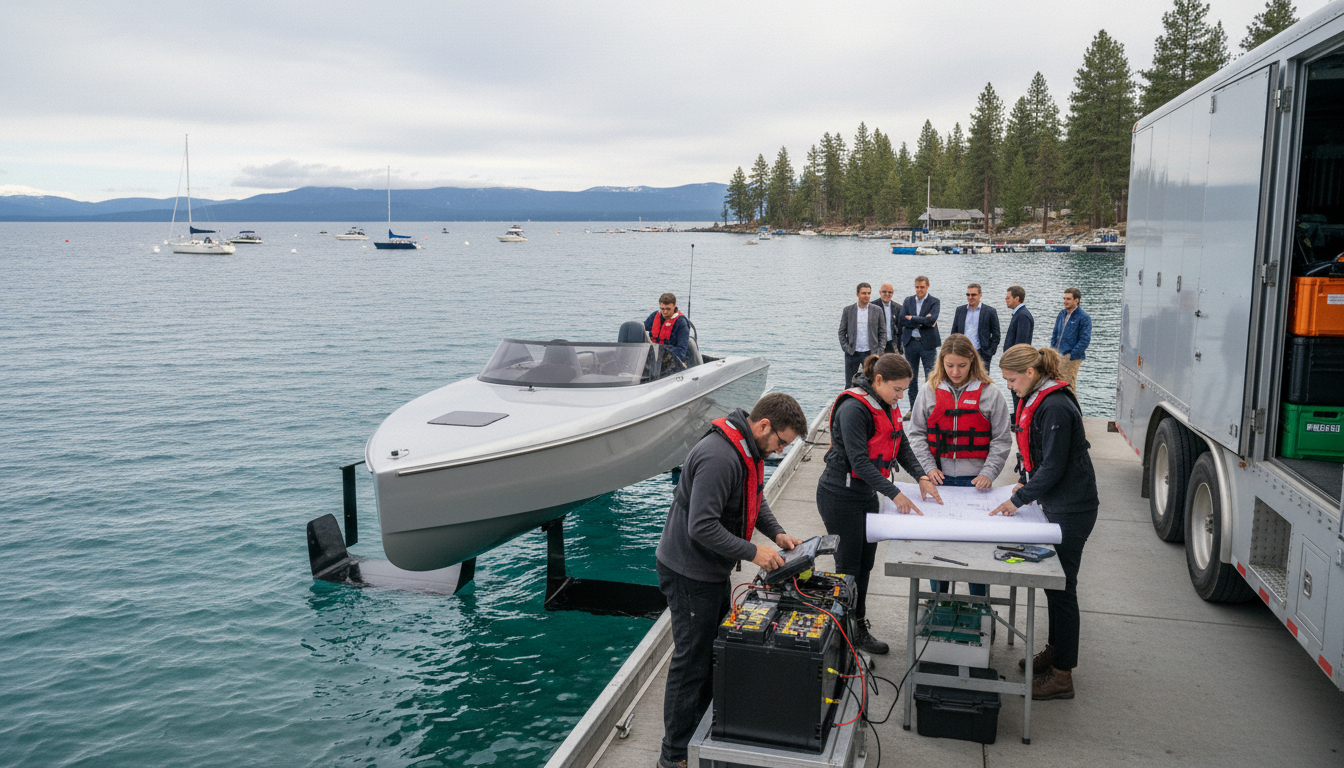
The announcement of Vessev’s $19 million Series A and follow-on financing, coupled with its first U.S. commercial customer, FlyTahoe, indicates a notable development in marine transport. FlyTahoe, identified as an emerging sustainable water transit network operator in Lake Tahoe, CA, will implement Vessev’s electric hydrofoil technology. The company also confirmed a series of high-profile U.S. activations.
This technology, which uses hydrofoils to lift a vessel's hull out of the water, promises reduced drag and increased efficiency. This operational characteristic directly addresses the challenge of maintaining speed and passenger comfort on water routes without the disproportionate increase in energy consumption associated with conventional vessels. For Vessev, the U.S. market entry, particularly with a commercial operator focused on a specific, geographically constrained body of water like Lake Tahoe, suggests a strategic targeting of routes where efficiency gains offer a clear competitive advantage.
From an operational standpoint, the deployment of such vessels in Asia-Pacific regions, especially those with high-density coastal populations or island networks, presents a compelling case. Consider Thailand, for instance, with its extensive network of coastal cities and island tourism. The operational strain on existing ferry and speedboat services often escalates during peak seasons. High passenger loads combined with conventional hull designs lead to increased fuel burn, higher maintenance cycles for propulsion systems, and often, slower travel times or reduced frequency to manage costs. An electric hydrofoil, by its nature, offers a potential solution to these capacity and efficiency bottlenecks.
Electric propulsion reduces direct emissions, aligning with growing sustainability mandates in many Asian nations. The efficiency derived from hydrofoiling could also translate into lower operational costs per passenger-mile, which becomes critical as fuel prices fluctuate. Reduced wake from hydrofoils can also mitigate shoreline erosion, an unquantified but persistent cost in many coastal communities.
However, the widespread adoption of such technology is not without its impediments. The initial capital expenditure for these advanced vessels may exceed that of traditional options, posing a barrier for operators with tight margins. Furthermore, the operational environment in many Southeast Asian waters, characterized by high traffic, variable sea states, and sometimes less-than-ideal dock infrastructure, could challenge the performance and maintenance requirements of hydrofoil systems. While Vessev secured funding and a customer, the specific conditions in Lake Tahoe — a freshwater, regulated environment — differ from the open ocean or congested urban waterways prevalent in Asia. The availability of charging infrastructure for an all-electric fleet also remains a significant logistical hurdle. Existing port facilities were not designed for rapid charging of marine vessels, and retrofitting or building new infrastructure requires substantial investment and planning. Which part of the operation breaks first at full occupancy? Often, it is the logistical support, not the vessel itself.
For the Asia-Pacific region, Vessev's market entry acts as an operational case study. While direct investment may not immediately follow, the success or failure of such deployments in regions like Lake Tahoe will provide tangible data on the practical limits of electric hydrofoil technology under commercial demands. The outcome will depend on how effectively these operational constraints — infrastructure, initial cost, and diverse marine conditions — are managed by both Vessev and its early adopters.
Sources
Newsletter
Pacific Daily
A curated briefing from Thailand, Asia-Pacific and the world.