Vancouver's Michelin Milestone: A Lens on Asia-Pacific Culinary Ambition
The arrival of a two-starred restaurant in Vancouver reflects a global pursuit of culinary recognition, raising questions about technique and its costs in Asian markets.
SINGAPORE
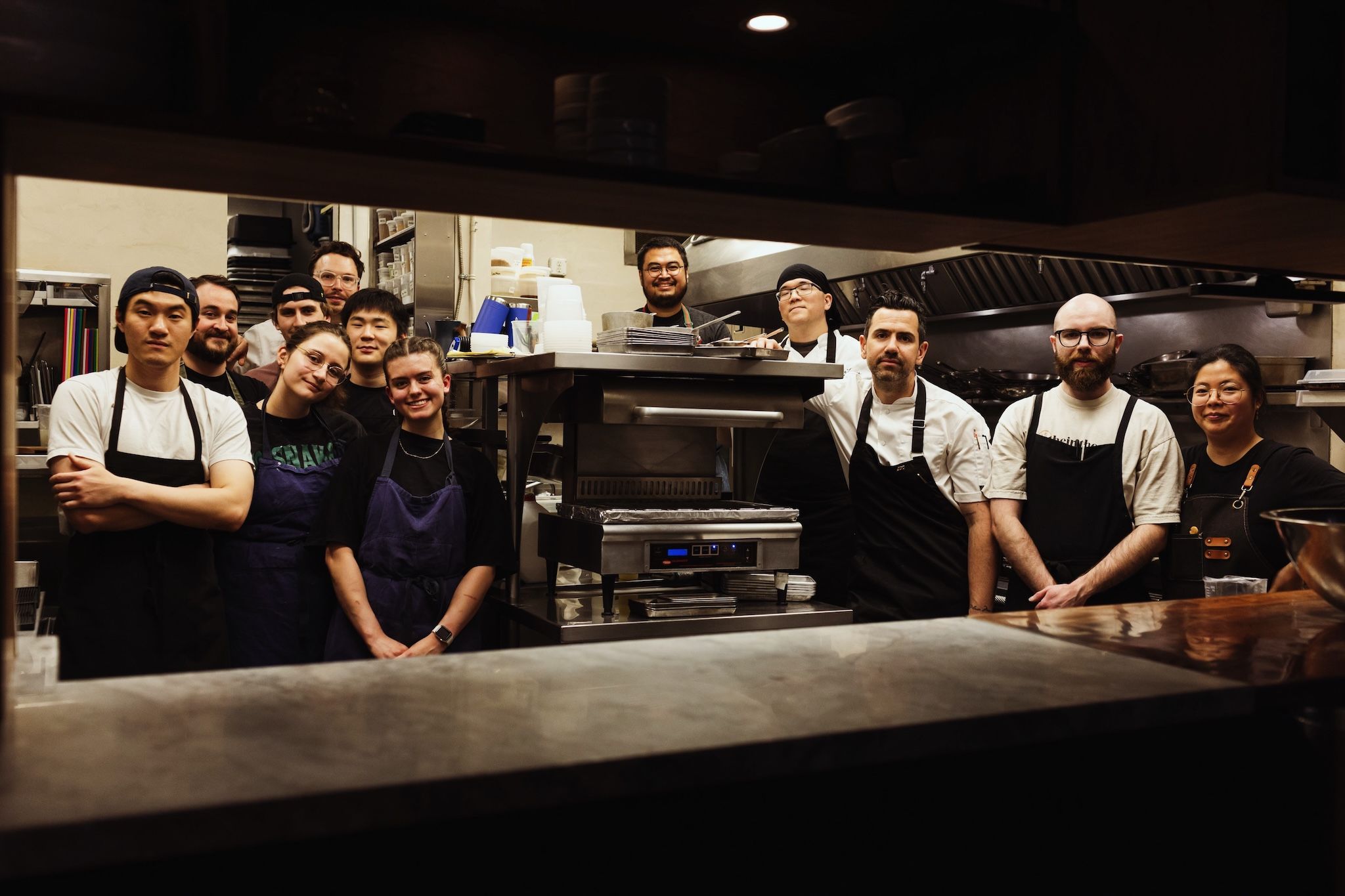
Vancouver’s culinary scene gained its first two-Michelin-starred restaurant, AnnaLena, with the Michelin Guide's 2026 selection. Gwendal Poullennec, international director of the Michelin Guide, stated on October 6, 2026, that the award to AnnaLena signifies "reaching new heights for Vancouver" and reflects the city’s "continued evolution and maturity." This recognition, for a restaurant offering a tasting menu in Kitsilano and owned by Chef Michael Robbins and Operations Manager Jeff Parr, illustrates how global culinary institutions measure skill and creativity.
The expansion of the Michelin Guide into new markets typically signals a maturity in those dining communities. Toronto, for instance, saw 13 restaurants receive their first stars in September 2022. Shanghai was awarded stars to 26 restaurants in its inaugural guide in September 2016. Such events often spark local debates about the guide's relevance and its impact on dining culture. The focus on a particular style of fine dining, often characterized by tasting menus and specific service standards, presents a distinct challenge for a restaurant market.
In the Asia-Pacific, where diverse culinary traditions thrive, the pursuit of Michelin stars introduces both opportunities and potential shifts in approach. While recognition can elevate a city’s gastronomic profile, it often necessitates an alignment with criteria that may not always reflect local culinary heritage or techniques. The technique-driven precision valued by the guide often requires significant investment in specialized ingredients, equipment, and highly trained staff. This can push operational costs upwards, affecting pricing and accessibility.
The emphasis on "exceptional skill and creativity" by Michelin's anonymous inspectors, as noted by Poullennec, prioritizes a certain kind of culinary execution. This can, for some restaurants, mean adapting traditional dishes to fit a more contemporary, globally recognized fine-dining format. For a city like Bangkok, with its deep-rooted street food culture and vibrant traditional dining, the question becomes how this global standard interacts with established local practices. Does it encourage refinement within existing frameworks, or does it incentivize a departure towards Western-centric models?
The cost to sustain this level of operation, particularly for a tasting menu concept, is not insignificant. These models frequently rely on high ingredient sourcing costs and meticulous labor. The economic realities of such a venture can be demanding, and the sustainability of these operations depends on a consistent clientele willing to pay a premium. This raises a challenge: how does a market balance the aspiration for global recognition with the need to maintain an accessible and diverse food landscape? The process of adapting kitchens and service models to Michelin's exacting standards often means investing in particular culinary techniques and presentations. This can lead to a shift away from more traditional, communal dining experiences towards individualized, elaborate plates.
The global reach of the Michelin Guide also implies a certain homogenization of culinary ambition. While it rewards excellence, it also risks inadvertently promoting a universal ideal of fine dining that might overlook the unique strengths of regional cuisines. The continued evolution of Vancouver’s restaurant scene, as marked by this two-star award, provides a clear example of a city engaging with this global standard. For Thailand and other Asia-Pacific nations, the lesson is not whether to pursue such accolades, but what techniques are prioritized and what costs, both financial and cultural, are involved in sustaining them.
Sources
Newsletter
Pacific Daily
A curated briefing from Thailand, Asia-Pacific and the world.