Vancouver's 'Guest Shift' Experiment Reflects Shifting Cultural Habits in Hospitality
The decision by a Vancouver bar to extend the guest shift model to include culinary collaboration points to evolving approaches in fostering talent and community, a practice with growing resonance across the Pacific Rim.
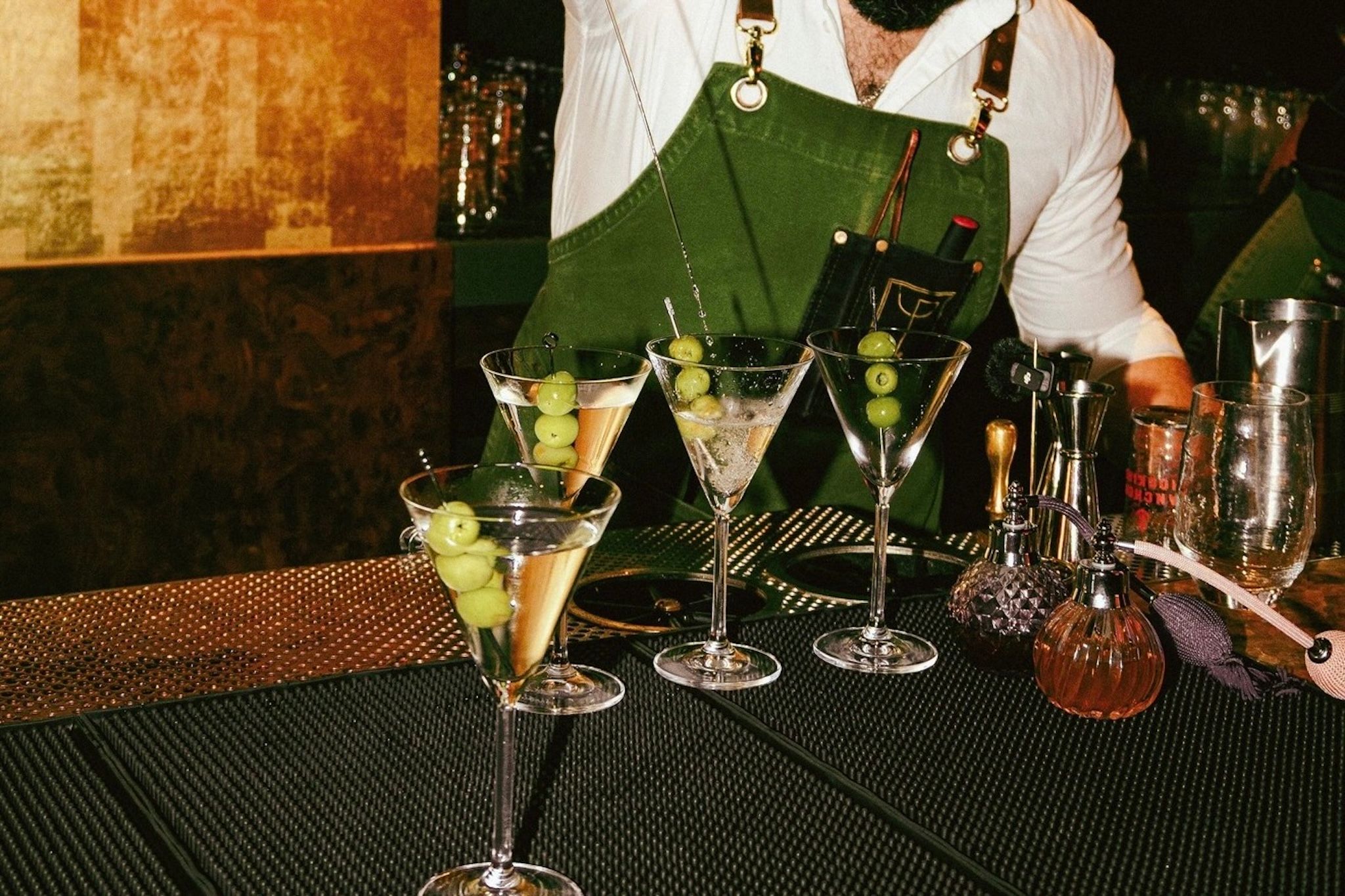
The bar Prophecy in Vancouver is set to launch a monthly “guest shift” series that pairs bartenders with chefs, an initiative extending a familiar concept in the cocktail world to the kitchen. This model moves beyond the singular guest bartending appearance by integrating culinary collaboration. Edward Bell, who previously spent over eight years as bar manager at Brandi’s Showlange, and Sean Suggett are preparing to open Submarine Dive Bar. They are the first pair to participate, offering a public glimpse into their joint creative efforts before their independent launch.
Matteo Caniglia, general manager of Prophecy, frames the guest shift as fundamentally about "community and collaboration." He suggests that allowing participants to create alongside a "chef or kitchen teammate they admire" fosters a rich environment for shared learning. This temporary handover of a venue's operational space signals a shift in the hospitality culture, moving away from purely competitive dynamics towards mutual support and collective advancement. Such an approach suggests an acknowledgement that new ventures often emerge from these very networks of collaboration.
While guest bartending events are well-established globally, the integration of chefs into this format highlights a broader recognition of culinary arts as integral to the bar experience. This hybrid model allows established venues to function as incubators, offering a platform for emerging talent without the full financial commitment typically required for a permanent space. For the host, this arrangement brings fresh ideas and attracts new audiences. It reflects a desire within the industry to blur the traditional boundaries between front-of-house and back-of-house, recognizing the holistic synergy required for a complete patron experience. This interplay of skills echoes historical patterns of craftsmanship where distinct disciplines inform one another.
The Vancouver initiative resonates with broader cultural shifts observable across the Pacific Rim, particularly in cities recognized for their dynamic dining and bar scenes. In places where culinary innovation thrives, cross-cultural and cross-disciplinary collaborations are increasingly common. These partnerships often move beyond simple menu exchanges to more fundamental creative alliances. The “guest shift” model, particularly when it includes chefs, can serve as a proving ground for concepts before they launch independently. It offers a low-risk environment for innovators to test ideas and cultivate a following, potentially strengthening the overall culinary landscape in the region.
This system allows for a fluid exchange of expertise and creative vision. Experienced bar managers, such as Bell, can showcase their skills in a fresh context, simultaneously building anticipation for their future projects. The statement that "Vancouver is full of people doing remarkable work, and we want to hand them our bar for a night and make it warm, welcoming and a whole lot of fun" reveals a philosophy of generosity. This suggests a mature ecosystem where success is perceived as shared, not exclusive. This perceived generosity, however, also provides a strategic benefit to the host, driving engagement and creating public interest around their own venue.
Prophecy’s monthly series, beginning in October, illustrates how hospitality businesses are adapting to cultivate talent and engage customers. It departs from purely competitive dynamics to embrace a more cooperative, fluid structure. The enduring impact lies not merely in the individual events, but in how such models might redefine career pathways for culinary and mixology professionals in a region celebrated for its vibrant food and beverage industry. What remains to be seen is how widely this particular model, pairing bartenders directly with chefs, will be adopted and what new forms of creative partnership it may inspire.
Sources
Newsletter
Pacific Daily
A curated briefing from Thailand, Asia-Pacific and the world.