Understanding Guest Etiquette: The Cost of Integration for Asia's Expats
Japanese wedding customs illustrate a broader challenge for those living abroad.
SINGAPORE
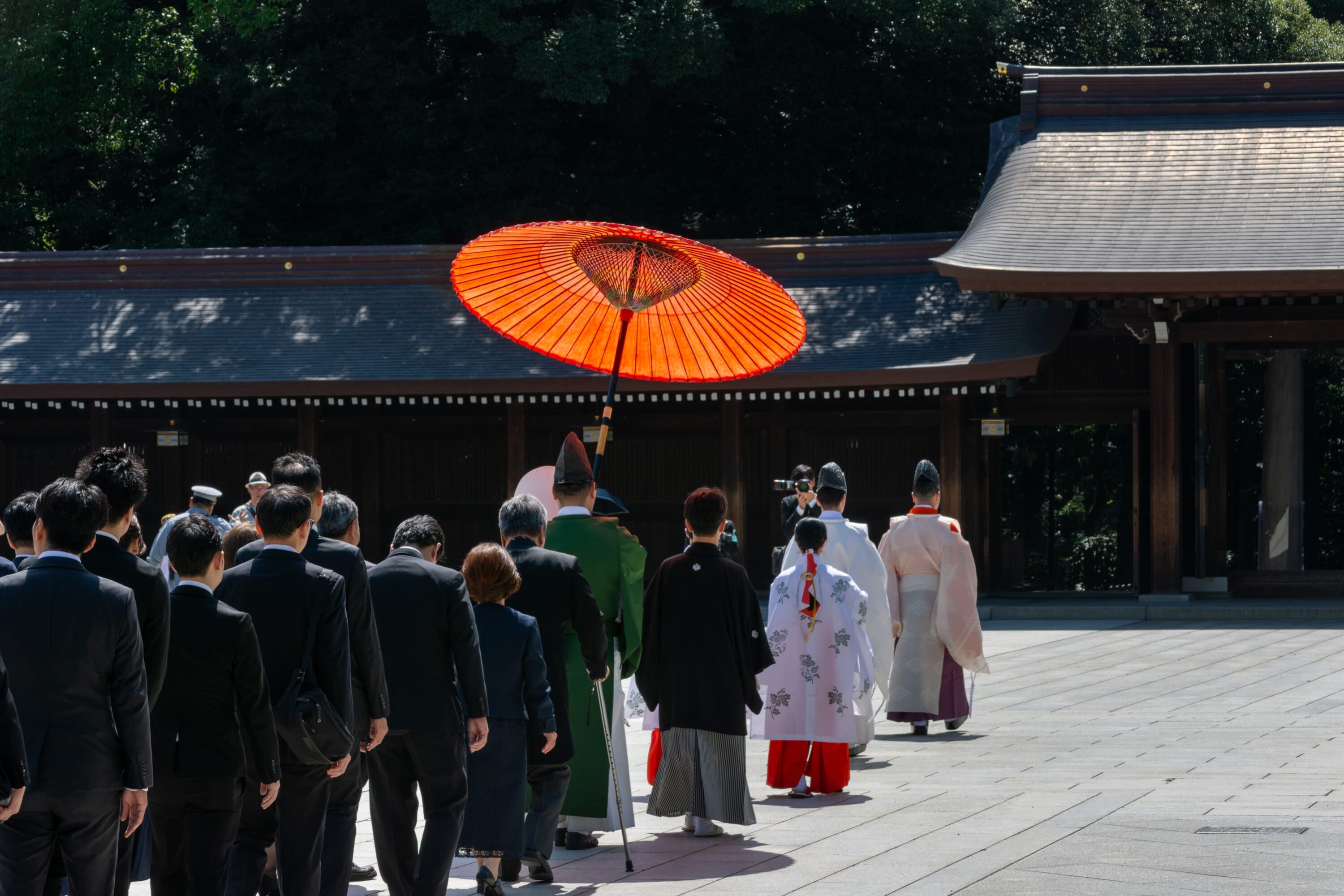
The reported details of Japanese wedding guest etiquette, including expectations for cash gifts and dress codes, offer insight into the practical demands placed on international residents in the Asia-Pacific region. These customs, as described by Tokyo Weekender on September 19, 2026, are presented as structured and designed to show mutual respect.
For someone attending a Japanese wedding, navigating these expectations involves more than simple cultural awareness. It requires a tangible commitment, both financially and in terms of time spent understanding specific protocols. The concept of 'goshugi', or cash gifts, for instance, implies a clear monetary outlay that must be budgeted for. Similarly, adherence to specific dress codes necessitates prior knowledge and often, acquisition of appropriate attire. These are not merely suggestions; they are presented as fundamental rules for attendance. The challenge extends beyond Japan; similar social expectations, albeit with different specifics, exist across various cultures in the Asia-Pacific, from specific gifting practices in Thai ceremonies to dress expectations at formal events in Singapore.
### The Unseen Burden of Cultural Adherence
This kind of detailed social protocol represents a recurring, often unstated, cost for expatriates. While the immediate focus might be on a wedding, the underlying principle applies to a range of social interactions. Integration into a host country’s social fabric is frequently depicted as a desirable goal, benefiting both the individual and the community. However, the resources required—financial, temporal, and cognitive—to fully participate in these local customs are often overlooked. It requires consistent effort to understand and adhere to the nuanced ways of showing respect and participation, ways that are typically second nature to locals.
Some might argue that such an investment is a small price for cultural immersion and demonstrates a commitment to the host country. They might point to the value gained from experiencing local traditions firsthand. However, this perspective tends to underplay the cumulative effect of these demands. For a resident with limited discretionary income or time, or someone regularly navigating multiple cultural contexts, these 'small prices' can aggregate into a significant barrier. The requirement to understand and execute specific etiquette for an event like a wedding is one instance; the broader implication is that effective integration often involves a constant, unwritten tax on an individual's resources.
Ultimately, the ease or difficulty of participating in such customs, and the willingness of individuals to bear these costs, will determine the extent to which international residents can genuinely become part of their adopted communities. The specific case of Japanese wedding etiquette highlights that integration is not solely a matter of language or legal status, but also a continuous series of specific, sometimes costly, behavioral adjustments.
Sources
Newsletter
Pacific Daily
A curated briefing from Thailand, Asia-Pacific and the world.