Transnational Criminal Networks Exploit Established Supply Chains, Threatening Asia-Pacific
The shift to decentralized logistics by criminal organizations, from drugs to human trafficking, signals new vulnerabilities for the region.
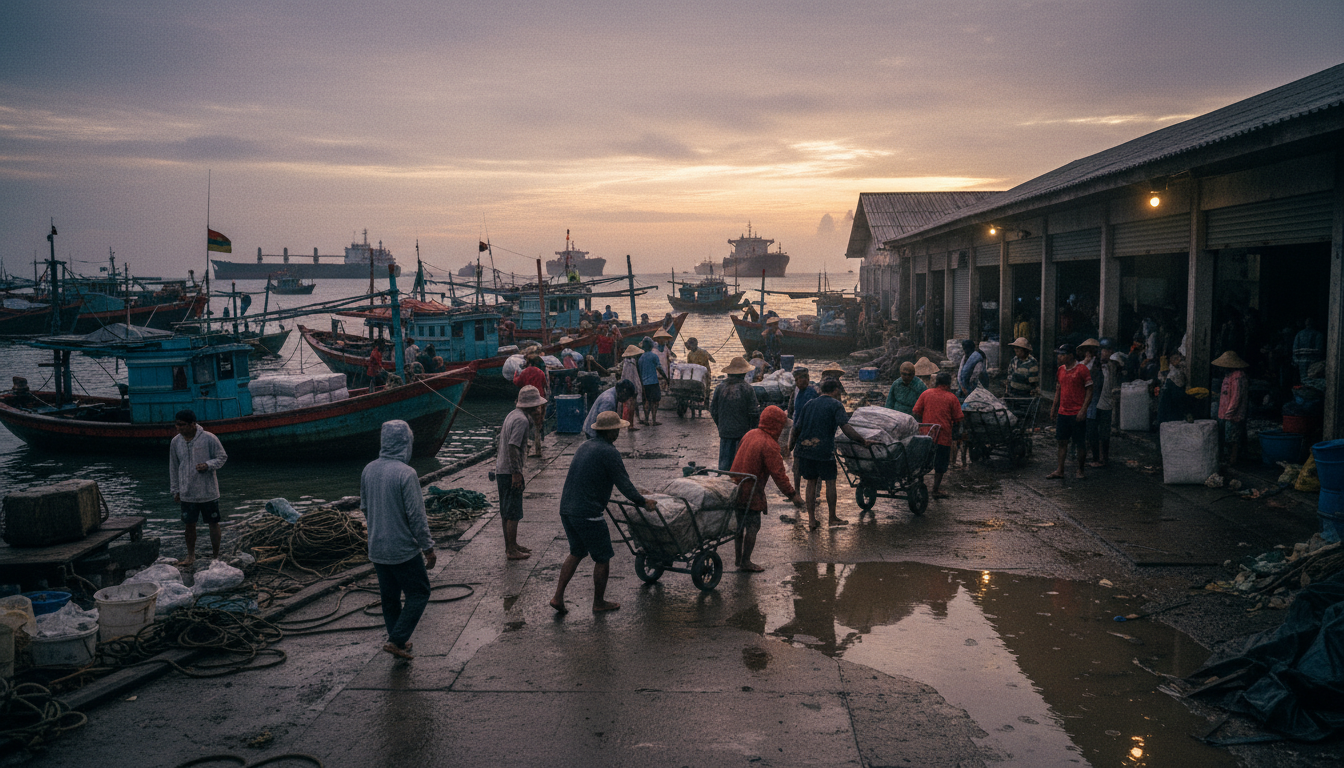
The reported evolution of criminal networks in the Eastern Pacific (EPAC) indicates a concerning shift in operational strategy with potential implications for Southeast Asia's maritime infrastructure. Mexican cartels and Ecuadorian gangs have moved beyond territorial alliances to form a flexible, decentralized transnational logistics network for drug trafficking, as reported by Cuenca High Life on August 27, 2026. This system leverages local infrastructure, vessels, and crews, with Mexican cartels handling onward transport after receiving shipments.
This development is significant. It moves illicit operations from fixed territories to a more adaptable, networked model. The Ecuadorian Navy's seizure of 1.8 metric tons of cocaine, valued at approximately USD 54 million, from a fishing vessel off Manabí Province on April 1, is evidence of this maritime exploitation. Such methods demonstrate an understanding of logistical vulnerabilities and a capacity to integrate local assets.
The same dynamic is observable in Southeast Asia, where a billion-dollar cyberfraud industry has expanded, adopting new technologies, according to the United Nations Office on Drugs and Crime (UNODC) in 2024. The U.N. stated on July 30, 2026, that human trafficking into Asian scam centers is surging. International organizations called for coordinated action to disrupt criminal networks behind human trafficking on October 29, 2025. These are not disparate issues. They reflect a common incentive: exploiting existing infrastructure and human resources for illicit financial gain.
Southeast Asia's extensive maritime trade routes, developing digital economy, and often less regulated informal sectors present a similar environment for criminal enterprises to flourish. The region's fishing fleets, for instance, could mirror the role of Ecuadorian vessels in the drug trade. The Lowy Institute noted in 2026 that technology makes the Pacific’s drug highway harder to detect, a factor equally relevant to Southeast Asian waters. The incentive structure for local actors providing logistical support — economic desperation or coercion — remains consistent across geographies.
The counterargument is that Southeast Asian governments and regional bodies have increased their vigilance against transnational crime, particularly concerning cyberfraud and human trafficking. Collaborative efforts and improved intelligence sharing could mitigate some risks. However, the documented decentralization and adaptability of these networks suggest that traditional law enforcement models may struggle to keep pace with their fluid structure.
Ultimately, the yield assumption holding these criminal networks together is the vast profit potential derived from leveraging existing legal infrastructure for illegal activities. For property markets, this points to increased scrutiny on port facilities, logistics hubs, and potentially, the financial flows within sectors susceptible to money laundering or exploitation. The outcome for Southeast Asia now depends on the region's capacity to disrupt these evolving, decentralized criminal logistics before they become deeply entrenched within the formal economy.
Sources
Newsletter
Pacific Daily
A curated briefing from Thailand, Asia-Pacific and the world.