The Silent Costs of Digital Disconnection in a Connected World
While the allure of 'dumbphones' may appeal to individuals seeking personal tranquility, its ripple effect on collective efficiency in Asia's smart cities merits consideration.
On a cloudy evening in June, the simple act of calling for transport became a minor negotiation. An individual, seeking an Uber, pulled out a device described as a 'little black brick' — a Light Phone, a ‘dumbphone’ — incapable of the direct action required. The reliance shifted, compelling a call to a husband to arrange the service. The subsequent attempt to relay a screenshot of the license plate and wait time failed to transmit, necessitating another call after 10 p.m. to ascertain details.
This small domestic interaction, reported by Cuenca High Life on September 17, 2026, unfolds with a revealing friction. It illustrates a growing tension within the highly interconnected urban landscapes of Asia. The individual choice for digital minimalism, championed by some for personal well-being, is not without consequence for the surrounding ecosystem of digital dependents. In places like Bangkok, Singapore, or Kuala Lumpur, where digital transactions and instant communication form the bedrock of daily commerce and social interaction, such personal choices create moments of logistical strain.
For an individual, the reported outcome is personal betterment: 'My dumbphone made my life better,' as The New York Times headlined an opinion piece on September 16, 2026. This perceived improvement often centers on reduced screen time, lessened social media pressure, and a retreat from the always-on culture. However, the evidence presented in the Cuenca High Life account offers a counter-narrative: the individual’s gain in simplicity introduces a subtle but tangible burden on others. The husband, in this instance, became an intermediary, his night disrupted by the inability of the 'dumbphone' to perform a function that is now an expected norm in modern urban living.
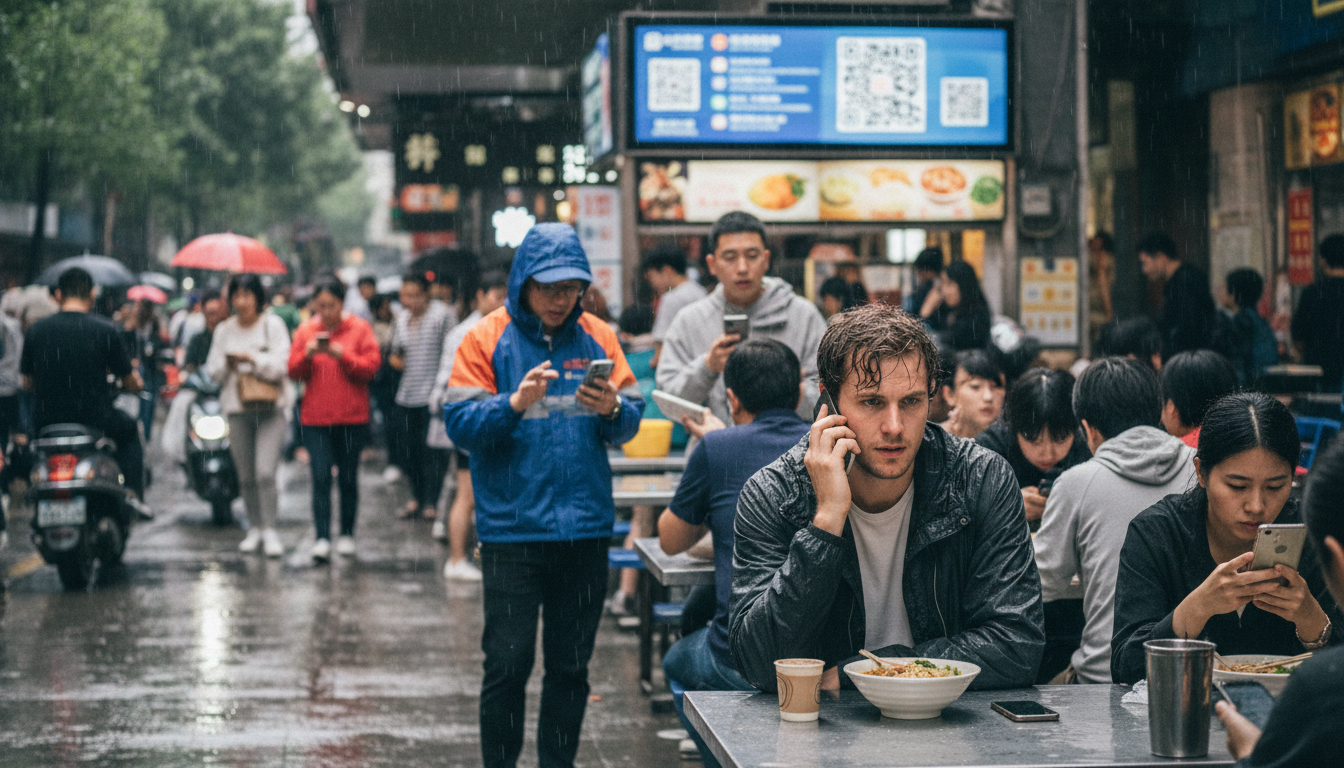
The Asia-Pacific region, especially its rapidly developing urban centers, has embraced smart technologies with an enthusiasm often unparalleled elsewhere. Digital platforms are not merely conveniences; they are integral to economic activity, public services, and the intricate web of personal logistics. Consider the omnipresent QR code payments in Thailand, the reliance on ride-hailing apps in Manila, or the digital health passes ubiquitous in many cities. The underlying expectation is that participants are equipped to engage with this digital infrastructure. When an individual opts out of this shared digital language, even for well-intentioned personal reasons, it creates small, localized points of failure within a system designed for seamless, high-speed interaction.
The implications for Thailand are particularly salient. The nation has invested significantly in digital infrastructure, promoting a 'Thailand 4.0' vision that emphasizes innovation and technology. The tourism sector, a cornerstone of the Thai economy, increasingly relies on digital booking, navigation, and communication. A tourist, or even a resident, opting for a 'dumbphone' in this environment may find their personal experience simplified, yet they inadvertently complicate the operations of hotels, transport providers, and local businesses that have adapted to a digitally literate clientele. The question this scenario poses is not about individual preference, but about the societal cost of these preferences in an increasingly interlinked world. The silent friction, though small in individual instances, multiplies across a population, potentially slowing the collective pace where digital efficiency has become the norm.
Sources
Newsletter
Pacific Daily
A curated briefing from Thailand, Asia-Pacific and the world.