The Scale of Public Science Galleries Masks an Unresolved Educational Trade-Off
Large capital commitments to interactive aerospace displays test whether physical simulation delivers durable technical literacy.
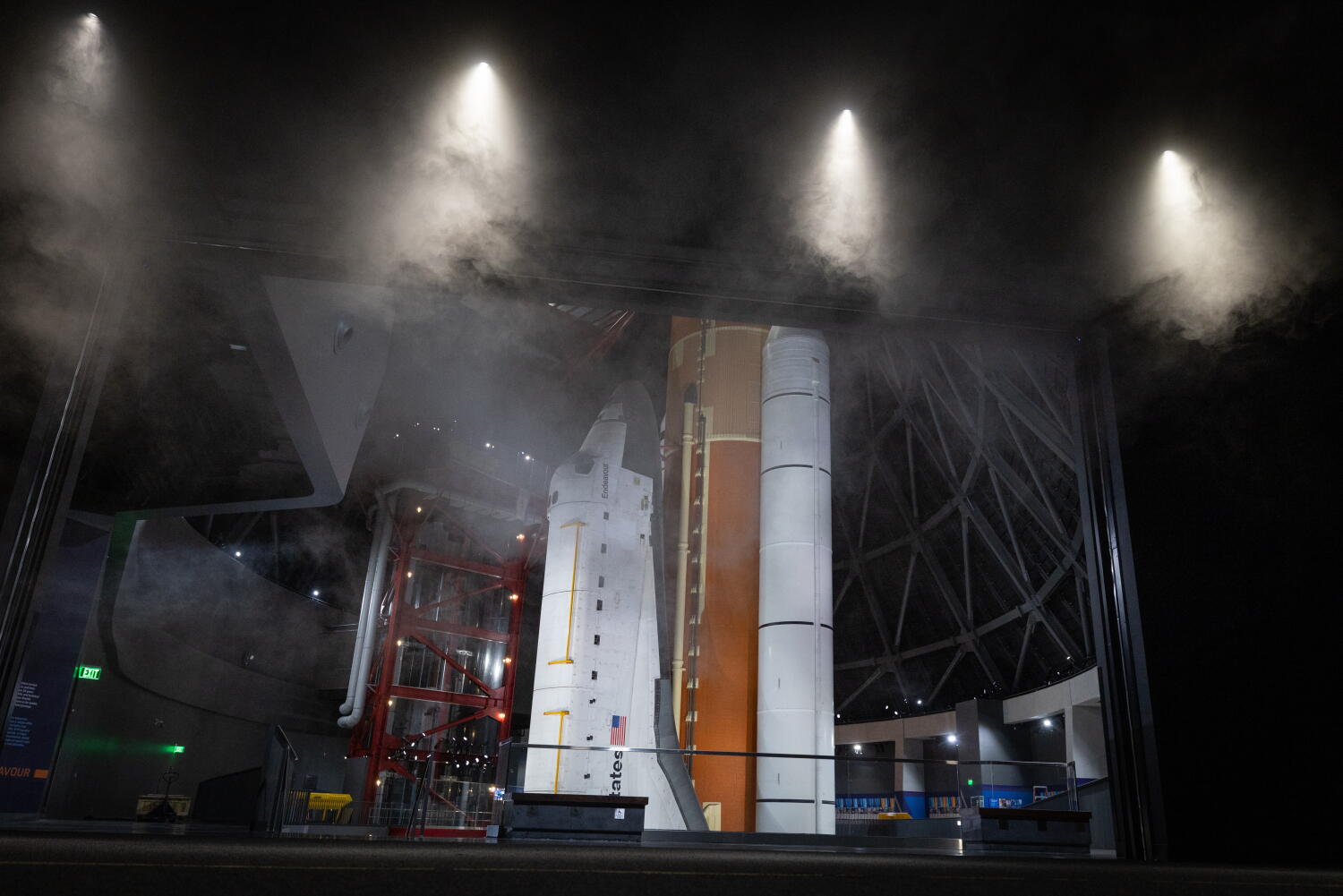
Public science institutions face an operational tension between historical preservation and kinetic entertainment. The Samuel Oschin Air and Space Center addresses that dilemma by allocating 200,000 square feet of gallery space to an interactive model where operating a remote-controlled Mars rover, flying a drone, and stepping into a digital space suit sit directly alongside aerospace history. Physical scale alone does not settle whether interactive environments generate substantive technical literacy or merely cycle visitors through transient digital amusements.
Institutional leadership positions this balance as intentional. Science Center President and Chief Executive Jeffrey Rudolph and aerospace science curator Ken Phillips have placed historical artifacts on equal footing with displays designed around future exploration. Across twelve designated interactive formats, the complex prioritizes physical participation over passive display, deploying tools such as space slides and drone piloting stations to capture public interest. Yet shifting museum resources toward simulation changes the function of the civic exhibition floor.
The mechanics of public gallery allocation
Curatorial decisions carry measurable structural consequences. Dedicating portions of a 200,000-square-foot footprint to participatory installations demands constant maintenance and mechanical renewal that static archival displays never require. When public institutions replace physical hardware documentation with digital suits and rover controls, floor space functions less like an educational archive and more like a structured amusement venue.
Advocates of immersive galleries maintain that hands-on mechanisms lower cognitive barriers for younger demographics. Tactile interfaces can demystify complex engineering systems, turning abstract mechanical principles into direct physical feedback. That logic holds weight in an era when major exploration initiatives, such as Nasa's Artemis II Moon mission, demand renewed public alignment and workforce recruitment across technical disciplines. If an interactive rover module prompts a sustained interest in mechanical design, the heavy capital expenditure delivers on its educational mandate.
The operational challenge lies in proving that tactile amusement translates into measurable comprehension of engineering fundamentals.
Simulating exploration versus technical literacy
Evidence confirming that interactive installations produce measurable retention in technical subjects remains sparse. Operating a pre-programmed remote vehicle or entering a virtual garment provides sensory engagement, but it rarely demands understanding the underlying orbital mechanics, material science, or telemetry systems governing actual aerospace hardware. Without curriculum integration, hands-on exhibits risk reducing rigorous technical disciplines to gamified novelties.
Pacific Rim economies investing in modern educational infrastructure confront this exact structural division. Civil authorities regularly weigh whether public resources are better directed toward direct laboratory training or experiential civic spaces designed for mass foot traffic. The design choices implemented at the Samuel Oschin Air and Space Center demonstrate a clear gamble on the primacy of mass engagement over traditional technical exposition.
Determining the efficacy of the modern science center ultimately depends on metrics institutional operators rarely publish. If experiential installations cannot demonstrate a verifiable transition from surface-level amusement to prolonged academic discipline, expansive gallery footprints will remain expensive platforms for temporary public diversion.
Sources
Newsletter
Pacific Daily
A curated briefing from Thailand, Asia-Pacific and the world.