The Receding Advance Ballot and the Changing Rhythm of Pacific Civic Ritual
A dip of 110,700 early votes in British Columbia shows that institutional convenience cannot substitute for political momentum.
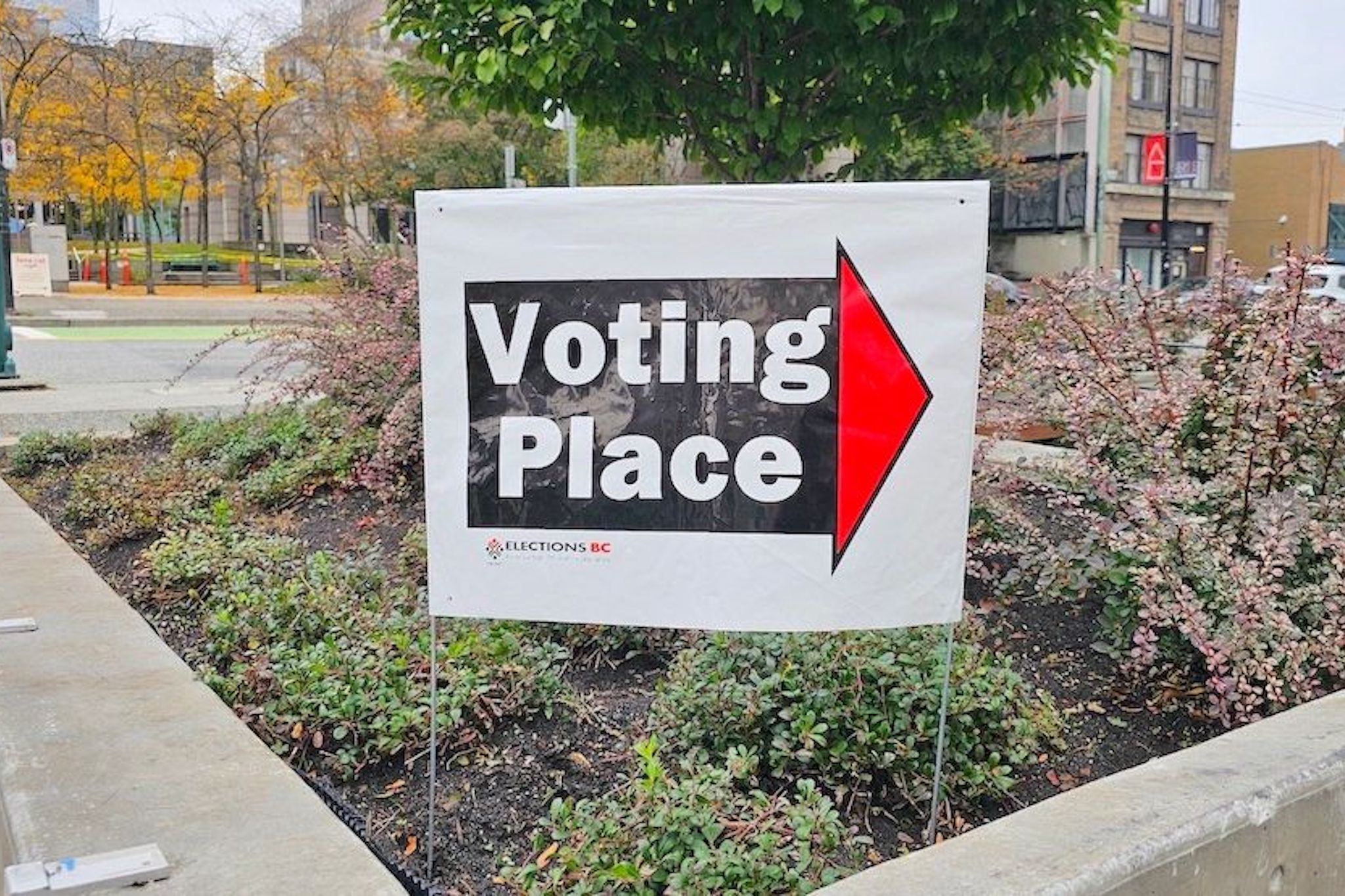
Electoral calendars historically anchored civic life through fixed autumn gatherings, drawing dispersed neighbours into gymnasium vestibules and municipal halls on a single shared afternoon. Over recent cycles, administrators across the Pacific rim systematically disassembled that collective habit, replacing the synchronized arrival with rolling early windows designed to accommodate flexible commutes and domestic errands. British Columbia advanced this managerial transformation with notable enthusiasm, yet the latest tabulations from Elections BC indicate that administrative accommodation has encountered an unexpected cultural threshold.
Preliminary figures compiled across six days of early voting reveal that 891,348 citizens cast ballots between Oct. 16 and Oct. 21, 2026. This turnout accounts for 23.8 per cent of the 3,738,182 registered voters recorded on the provincial roll as of Oct. 14. Although over 891,000 electors utilized the early stations, the overall participation marks an 11 per cent contraction compared with the record pace established during the October 2024 provincial election. Roughly 110,700 fewer advance voters walked through municipal doors during this period than in 2024.
The Frictionless Ballot and Civic Appetite
Administrative reforms typically proceed from the premise that non-voting stems from logistical impediment. Under the prevailing doctrine, allowing an elector to file a vote at any voting location throughout an extended window ought to cultivate continuous turnout growth. The record from British Columbia complicates this optimistic bureaucratic logic.
Convenience expands access, yet administrative flexibility alone cannot manufacture the collective urgency that draws citizens away from private routines.
The absence of about 110,700 early participants does not signal administrative friction. What it demonstrates instead is the inherent limitation of process. Streamlining an apparatus can remove physical obstacles, but no procedural adjustment can manufacture civic passion where political friction has cooled. The intense turnout witnessed in October 2024 answered sharp social tensions and clear polarized choices. Two years later, the statistical lull suggests that when external urgency dissipates, electors drift back toward unhurried patterns, letting the early days pass quietly.
Shifting Schedules on the Pacific Rim
Across the wider Pacific Rim, where civil servants regularly look toward Canadian balloting models as templates for electoral modernization, British Columbia offers an instructive cultural portrait. Dispersing the polling process across multiple dates undoubtedly shields individuals from personal scheduling pressures. At the same time, this continuous dispersion dissolves the public texture of decision-making, converting a civic responsibility into a solitary consumer task.
Skeptics of this interpretation may counter that an advance voting slowdown indicates little about overall democratic vitality. Voters might simply prefer to conclude their deliberations on Saturday, Oct. 24, when stations remain accessible from 8 a.m. to 8 p.m. Pacific time. Seen through that lens, an 11 per cent dip in preliminary returns reflects no civic withdrawal, but rather a deliberate deferral until the final statutory deadline.
Yet the underlying transformation of civic engagement remains unmistakable. What the modern state preserves is the mechanics of voting, carefully polished into an effortless and flexible consumer amenity. What quietly dissolves is the collective pulse that once made stepping into a voting booth feel like participating in a mutual civic contract. By the time final ballot boxes shut on Saturday evening, the most enduring question will not merely be which party secures office, but whether a democracy designed to demand almost nothing from our daily schedules can still summon our collective attention.
Sources
Newsletter
Pacific Daily
A curated briefing from Thailand, Asia-Pacific and the world.