The Philippines' Silica Rush and the Coastal Towns Caught in Its Glare
Demand for the white sand behind glass and solar panels is rising across Asia. Philippine communities are asking who carries the cost.
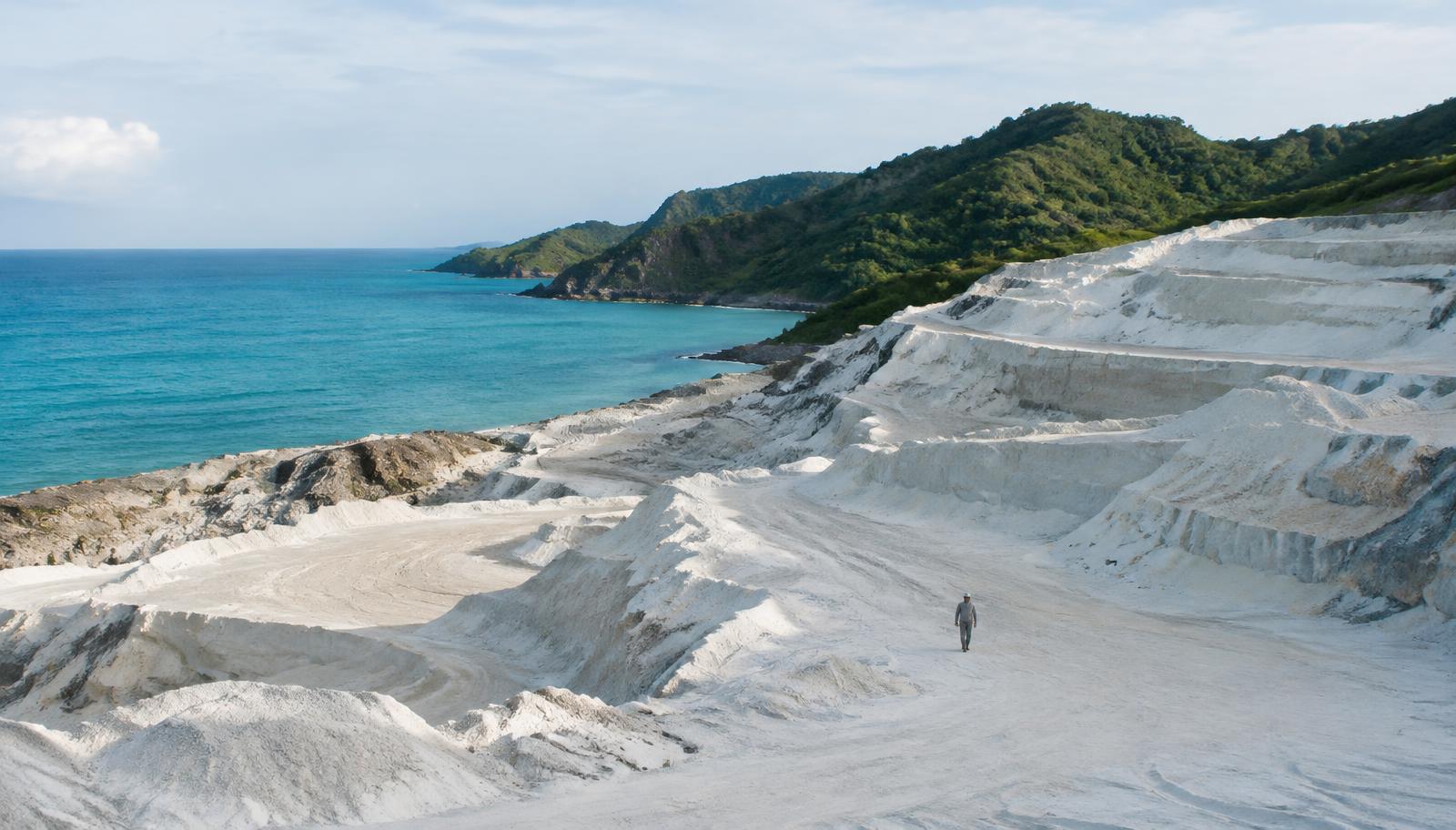
MANILA — On parts of the Philippine coast, hillsides have turned a startling white. The colour comes from silica sand, a raw material that rarely makes headlines yet sits inside almost everything modern life depends on: window glass, smartphone screens, semiconductors and, increasingly, the solar panels that governments across Asia are installing to meet climate targets.
As regional demand climbs, the Philippines has become one of several Southeast Asian countries where silica extraction is drawing attention. The Mines and Geosciences Bureau oversees mineral permits, while the Department of Environment and Natural Resources is responsible for environmental compliance. Both agencies have faced persistent questions from local governments, fishing communities and civil society groups about how quarrying near shorelines and watersheds is monitored.
A material with two faces
Silica is abundant, but high-purity deposits suitable for glass and electronics are less common. That makes them valuable, and it means extraction often concentrates in specific provinces. Supporters argue that responsible mining brings jobs, road access and local tax revenue to areas with few other industries. Some municipalities have welcomed investment for exactly that reason.
Critics point to a different picture. Quarrying exposes fine sediment that can wash into rivers and coastal waters during the monsoon, clouding reefs and seagrass beds that support fisheries. In a country where millions depend on small-scale fishing, the health of nearshore waters is not an abstract concern. Dust from haul roads and the loss of vegetation on slopes also raise worries about landslides during typhoon season.
The governance question
The central issue is less whether silica should be mined than how. Philippine law requires environmental compliance certificates, community consultation and, where indigenous lands are involved, free and prior informed consent. In practice, enforcement depends on inspectors' capacity and on the willingness of local officials to act. Advocacy groups have repeatedly called for clearer public disclosure of permit locations, rehabilitation bonds and monitoring results.
There is also a strategic dimension. As Asia builds out solar manufacturing, the region's appetite for quartz and silica will keep growing. Countries that can show traceable, well-regulated supply chains may find buyers more willing to pay a premium, particularly as manufacturers face scrutiny over the environmental footprint of their materials.
What comes next
For coastal communities, the most practical demands are straightforward: transparent permits, sediment controls, independent water testing and genuine rehabilitation once a pit is exhausted. These are not radical asks, and several of them are already written into existing regulations.
The white hills are a reminder that the clean energy transition has a physical footprint. How the Philippines manages its silica will help decide whether that footprint is shared fairly, or left on the shoreline for the next typhoon to carry out to sea.
Sources
Newsletter
Pacific Daily
A curated briefing from Thailand, Asia-Pacific and the world.