The Mechanical Reality Behind Twelve Thousand Dollars a Night
Industry accolades celebrate heritage suites, yet high-tariff hospitality exposes the operational discipline behind prestige
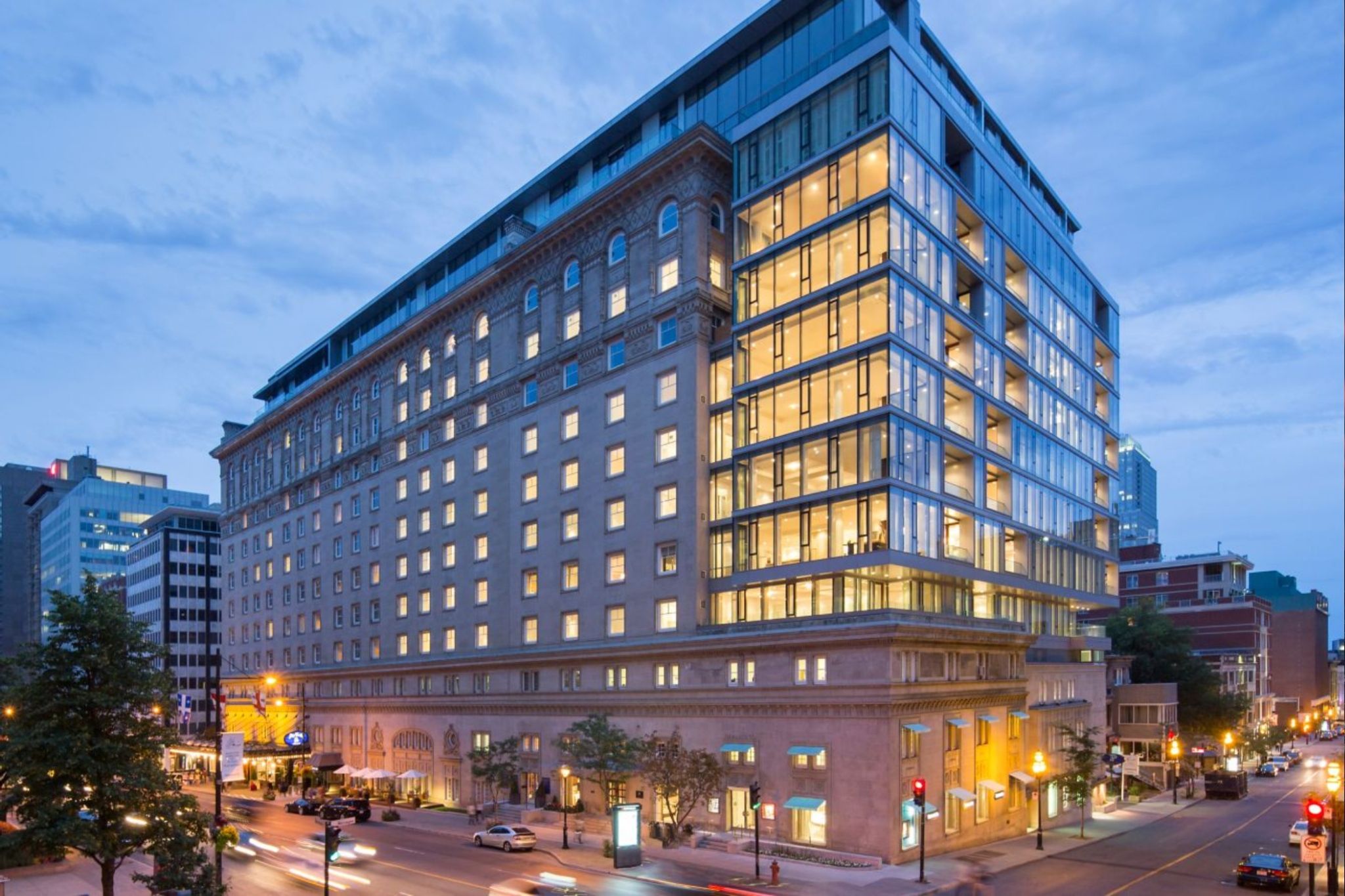
Private hospitality functions on an exacting discipline: capital must remain silent while operating with continuous precision. When the World Travel Awards held an awards ceremony in Jamaica to distribute regional honours across Central, South and North America, the title of Canada’s Leading Hotel Suite went to the Royal Suite at The Ritz-Carlton Montreal. The headline rate for the space is USD 12000 per night. Behind that figure sits an operational reality that rarely surfaces in celebratory announcements, revealing how legacy properties manufacture exclusivity.
Securing Canada’s Leading Hotel Suite requires repeatable technical consistency rather than mere surface charm. At USD 12000 an evening, an accommodation cannot tolerate mechanical hesitation. Housekeeping must launder textiles at exact temperatures, maintenance teams must guard antique millwork against humidity, and discreet personnel must move through private corridors without interrupting domestic seclusion. The Ritz-Carlton Montreal traces its founding back to 1912 and completed extensive structural work around 2012, relying on European-inspired design details to convey permanence. What guests purchase is insulation from urban friction.
The Economy of Names
Celebrity association provides an enduring foundation for high-end lodging. Prominent names linked to the property over the decades include Elizabeth Taylor, Richard Burton, Sophia Loren, Charlize Theron and Jennifer Aniston. Linking private salons to Hollywood lore builds cultural capital, but that equity demands constant engineering reinvestment. Historic buildings face recurring challenges with sound transfer, vintage water lines and climate control systems that require capital renewal simply to meet modern performance standards.
Prestige in heritage hospitality remains an expensive operational discipline sustained through continuous maintenance.
Industry ceremonies routinely evaluate grand accommodations as isolated design achievements, setting aside the economic concentration required to run them. Flagship suites generate substantial gross receipts per reservation, yet their operation consumes disproportionate engineering hours, specialized laundering and trained staff attention. For operators across North America, including destinations competing directly against the United States, keeping a flagship space operational at USD 12000 involves clear structural compromises. Revenue generated by premier keys often subsidises broader operational overhead, yet an unexpected drop in occupancy turns empty premium square footage into a costly overhead burden.
Regional Standards and Practical Limits
There is an opposing commercial calculation that defends these spaces. Hoteliers argue that an exceptional accommodation serves as an anchor asset, elevating the perceived stature of an entire property and stimulating banquet bookings, fine dining patronage and standard room volume. Maintaining Canada’s Leading Hotel Suite demonstrates institutional capability to discerning international travellers. Even a guest paying standard rates absorbs the aura of reliability established by the property's highest-tier accommodations.
Yet that rationale assumes steady commercial demand for historic formality. As travel habits shift toward understated privacy and contemporary environmental efficiency, traditional suites encounter scrutiny. The physical preservation of European-inspired mouldings, heavy drapery and large receiving rooms demands labour that grows harder to maintain as staffing costs climb. High tariffs risk becoming an end in themselves, reducing genuine patronage to sporadic ceremonial reservations.
The real test for historic grand hotels is whether technical execution justifies the expenditure. When an accommodation charges USD 12000 per night, every valve, switch and surface must perform without failure. In Jamaica, the recognition arrived amid industry celebration, but the daily reality remains confined to service corridors and balance sheets. Sustaining century-old grandeur in a modern economy requires unceasing capital expenditure, leaving the line between operational success and financial strain remarkably narrow.
Sources
Newsletter
Pacific Daily
A curated briefing from Thailand, Asia-Pacific and the world.