The Mask and the Man: Vulnerability as Performance in Public Culture
Orville Peck's public grief challenges a persistent myth of artistic resilience.
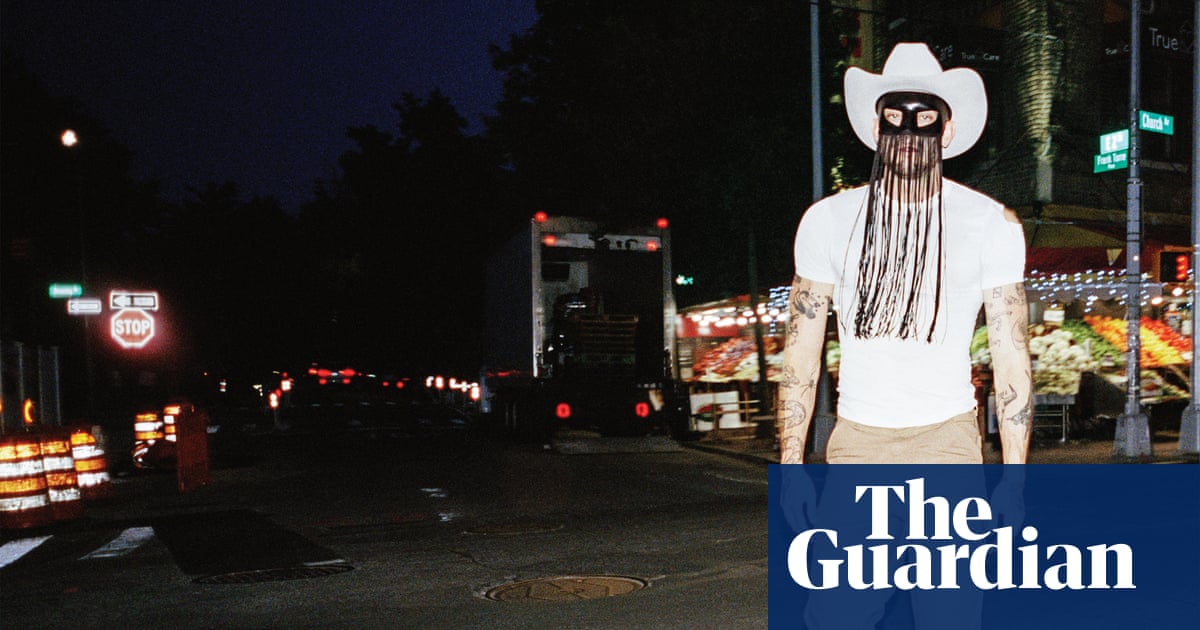
The report of Orville Peck’s public processing of grief, following news of Dolly Parton’s death mid-soundcheck, offers a precise observation on the interplay between performative roles and personal vulnerability. Peck, the masked country singer, is reported to have informed an audience at London’s Rough Trade East, “I’m a little bit of a mess right now,” shortly before acknowledging, “Dolly was my hero.” This moment, where the artist chose to grieve on stage, rather than retreat, speaks to a shifting landscape in how public figures engage with personal struggles.
Historically, the expectation for a performing artist often leaned towards an unwavering, almost superhuman facade of composure, particularly in a genre like country music, which, despite its narrative tradition, frequently valorizes stoicism. The archetype of the resilient performer, someone whose personal trials are either entirely hidden or transmuted into art through a distant, controlled lens, persists. However, Peck's reported decision to articulate his distress directly to his audience, stating, “It’s hard for someone like me because it takes not just admitting to yourself that you have a problem - I also had to reckon with my phobia of conforming,” suggests a conscious departure from this established norm. This comment, made in the context of discussions around addiction and mental health, transforms a moment of personal crisis into an act of cultural signal-sending.
The challenge presented by such public admissions is to discern the boundary between authentic vulnerability and a crafted narrative. The source reports Peck acknowledging his 'demons' and mental health struggles, which for some might appear as an intentional softening of the artistic persona, a strategic move to humanize the masked figure. Yet, the raw immediacy of grieving a cultural icon on stage, before a scheduled performance, disrupts the typical arc of a carefully managed revelation. It foregrounds an individual’s genuine reaction over the polished delivery of entertainment.
This trend, where public figures articulate their mental health challenges and personal battles more openly, reflects a broader cultural conversation that has intensified in recent years. It suggests a growing audience receptivity, if not a demand, for authenticity that transcends the traditional boundaries of celebrity. The ‘phobia of conforming’ Peck referenced might extend beyond personal struggles to the very performance of emotional detachment expected of artists. His actions, therefore, do not merely reflect a personal journey but refract a wider habit: the public’s increasing expectation for transparency, even from those traditionally veiled in mystery or constructed identity. The tension remains between the profound personal cost of such transparency and the cultural rewards of fostering genuine connection, leaving open the question of where the balance ultimately lies for artists navigating the public eye.
Sources
Newsletter
Pacific Daily
A curated briefing from Thailand, Asia-Pacific and the world.