The Limits of American Enforcement Diplomacy
Pete Hegseth's Andean circuit signals a posture shift toward direct kinetic framing without expanding institutional capacity
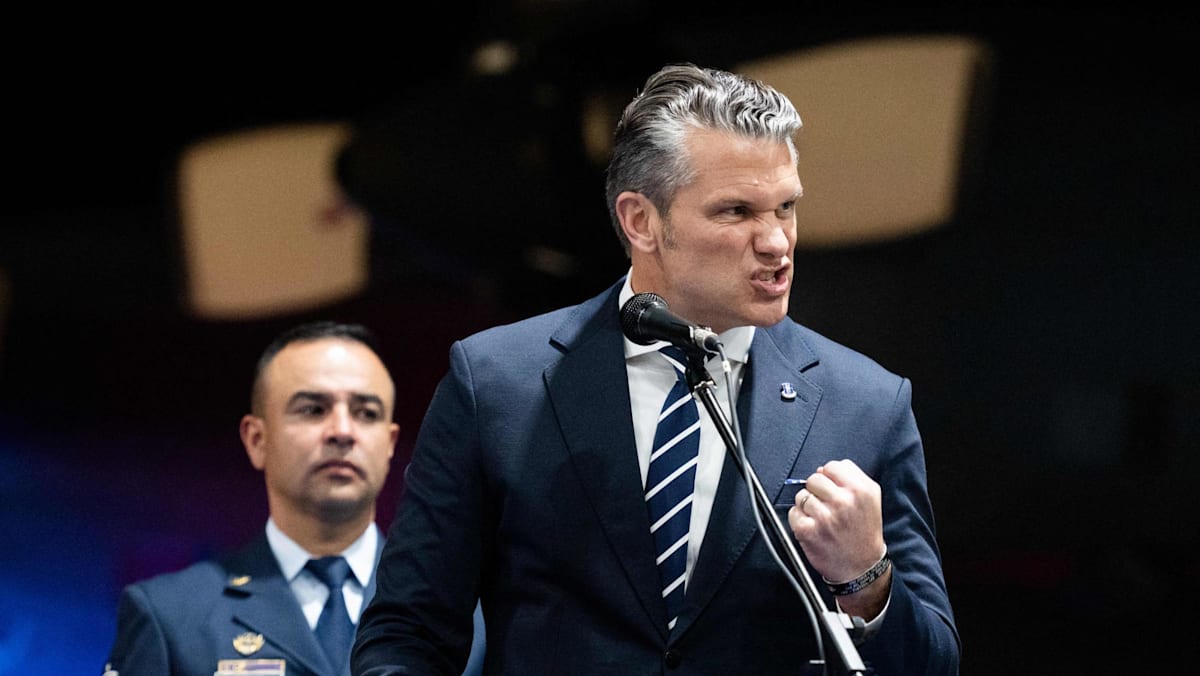
Diplomatic itineraries arranged around military installations establish their own operational vocabulary long before formal communiqués appear. When US Defence Secretary Pete Hegseth conducted meetings at CATAM Military Air Base in Bogota on Nov 18, 2026, prior to entering official government buildings in Quito on Thursday, Nov 19, the sequence reflected an overt prioritisation of bilateral security enforcement over multilateral consultation. Washington has repeatedly attempted to address hemispheric narcotics supply chains through direct executive partnerships. This specific round of transit, encompassing Colombia, Venezuela, Ecuador, and Honduras, attempts to realign regional security priorities around ideological proximity and explicit counter-narcotics coercion.
The public rhetoric accompanying the tour indicates an unyielding military posture. In addressing the transnational illicit trade, Hegseth pledged to "kill and defeat narcoterrorists," framing the systemic challenge of organised crime in strictly martial terms. In Quito, Ecuadoran President Daniel Noboa retains the enthusiastic backing of his US counterpart Donald Trump, providing Washington with a receptive counterpart eager to deploy state authority against criminal networks. Such personal and ideological alignment between heads of state creates rapid diplomatic momentum. Yet that alignment also risks conflating political sympathy with institutional operational capability.
Rhetorical Escalation Against Institutional Inertia
Direct ministerial intervention often masks persistent structural deficits in enforcement policy. Bilateral assurances exchanged in Bogota and Tegucigalpa highlight the enduring American instinct to treat transnational illicit transit as an adversary to be eliminated via conventional interdiction rather than an economic ecosystem sustained by deep governance voids. Hegseth's swift passage across four jurisdictions within days demonstrates logistical reach, but rapid administrative circuits rarely yield durable coordination mechanisms between disparate local police, judicial authorities, and national armed forces.
Supporters of this enforcement doctrine contend that decisive unilateral backing from Washington provides partner states with the political shelter required to confront entrenched syndicates. According to this reasoning, clear executive commitment from the United States deters criminal actors and reassures domestic populations destabilised by rampant violence. That perspective presumes that illicit syndicates react predictably to conventional threats of military force, ignoring decades of evidence showing that interdiction campaigns frequently displace routes rather than suppress aggregate trafficking volume.
The Strategic Balance Across the Rim
Pacific littoral stability depends fundamentally on predictable port governance, secure maritime lanes, and resilient civil administration. When Washington reduces its regional posture to counter-narcotics combat operations, broader systemic vulnerabilities remain unaddressed. Partner nations on the Pacific rim require sustained judicial capacity, customs modernisation, and durable economic alternatives for vulnerable coastal zones rather than episodic ministerial visitations.
Ecuador illustrates the friction inherent in this approach. President Noboa's reliance on executive decrees and militarised domestic policing mirrors the expectations articulated in Washington, yet executive determination alone cannot substitute for protracted institutional reform. Security cooperation built upon individual ideological relationships between presidents remains vulnerable to the electoral turnover inherent in democratic governance.
The primary constraint facing Washington's Latin American enforcement doctrine is not rhetorical ambition, but the operational gap between tactical counter-narcotics directives and the sovereign governance capacities of the host states tasked with sustaining them.
Sources
Newsletter
Pacific Daily
A curated briefing from Thailand, Asia-Pacific and the world.