The Illusion of Shared Ambition in Monumental Design
Ma Yansong cites mutual appetite for novelty, but bilateral cultural commissions mask deep institutional divergence.
SINGAPORE
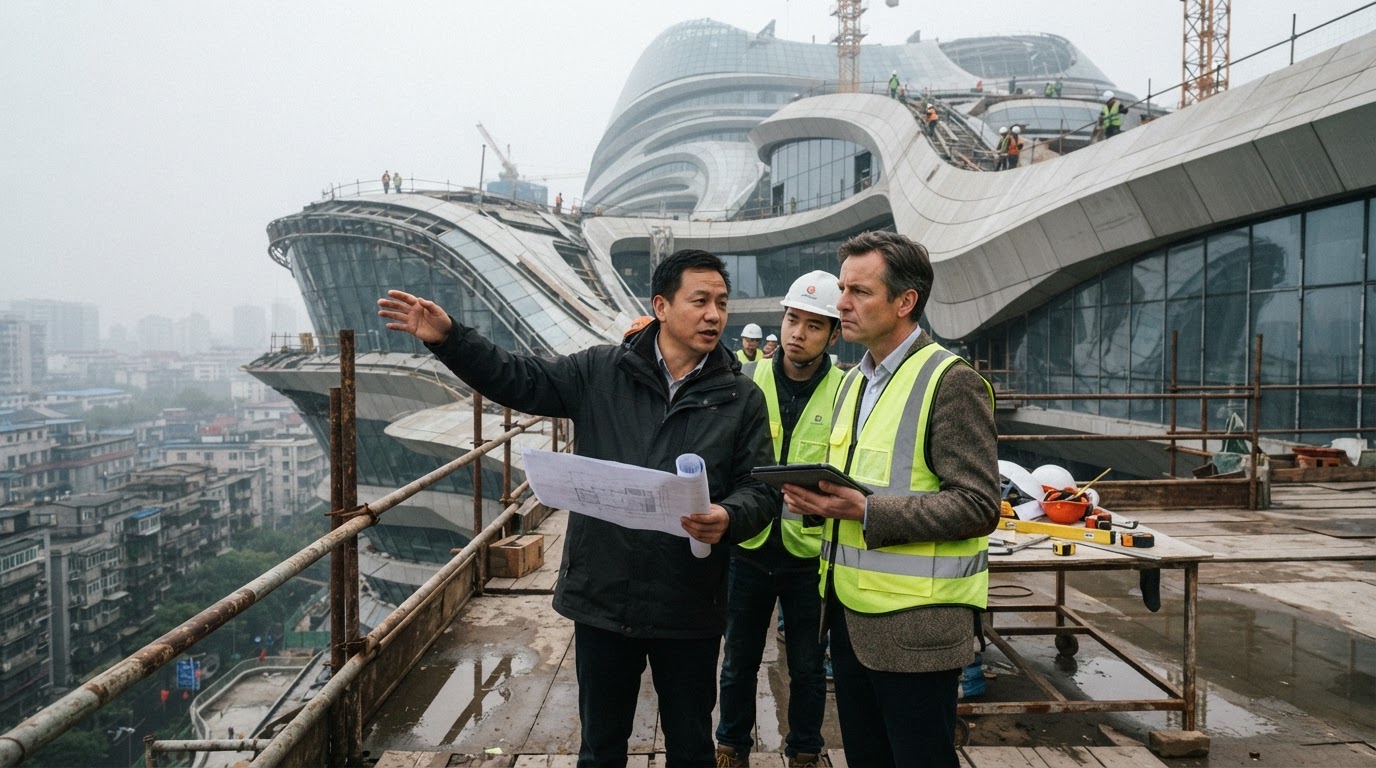
Civic architecture operates on a deliberate asymmetry: the physical commission projects permanence while the political conditions underwriting it remain precarious. In 2026, Chinese architect Ma Yansong finished the Lucas Museum of Narrative Art, delivering one of the highest-profile buildings erected in the United States that year. The completion positioned an architect from China at the center of American institutional patronage during a period marked by persistent diplomatic friction. Addressing this cross-border dynamic, Ma asserted that China and the United States share a foundational affinity, specifically pointing to an appetite for "new things and innovation".
That claim treats structural design as a neutral conduit for shared sentiment. Yet reducing cross-border commissions to an abstract creative synergy ignores the operational realities dividing both markets. When private capital and institutional boards approve massive capital investments, novelty alone does not drive the balance sheet. Cultural prestige acts as an export vehicle, offering visible integration at a moment when bilateral commerce encounters deepening regulatory barriers.
The Architecture of Detachment
The narrative surrounding the Lucas Museum of Narrative Art suggests that design can circumvent state-level friction through visual audacity. Proponents of cross-border institutional patronage argue that architecture transcends trade quotas and security disputes, creating shared physical space when official diplomacy stalls. Private collectors and museum trustees retain the legal autonomy to select global talent, demonstrating that individual cultural capital continues to flow across borders regardless of geopolitical positioning.
"new things and innovation"
That reading, however, misinterprets the exception as a pattern. A single completed structure in California does not signal an aligned institutional environment. Outside high-prestige cultural philanthropy, bilateral collaboration faces acute administrative resistance. Export controls, supply chain reconfigurations, and security scrutiny dominate bilateral negotiations. Ma's reliance on a perceived mutual love of novelty frames an elite transaction as broad public consensus.
Institutional prestige commissions function precisely because they are detached from the standard pressures of industrial trade. The Lucas Museum of Narrative Art represents an insular ecosystem financed by private wealth, entirely insulated from the regulatory hurdles facing commercial real estate or critical infrastructure ventures. Examining the commission through this analytical lens clarifies why such projects remain rare anomalies rather than precedents for expanding cooperation.
Limits of the Cultural Bridge
Treating aesthetic ambition as evidence of underlying economic convergence creates an analytical distortion. China and the United States do not share common regulatory frameworks, procurement standards, or intellectual property protections simply because an individual creator navigates both markets successfully. The rhetoric of shared modernism provides a convenient narrative for institutional branding, disguising the transactional barriers that confront Asian capital and talent elsewhere.
Reliance on broad creative generalisations obscures the real mechanics of influence. By asserting that novelty unites two starkly competing markets, the creative sector avoids confronting the fragmentation of global governance. For regional observers across the Asia-Pacific, where sovereign balances and trade realignments require rigorous assessment, elite cultural transactions offer little diagnostic utility for broader economic integration.
The finished structure stands as a remarkable individual achievement within American architectural history. Even so, the thesis linking its completion to shared national values fails under closer scrutiny. A high-profile museum commission confirms that private capital can still bypass geopolitical tension when purchasing bespoke design; it does not confirm that the economic systems hosting it have resolved their divergent trajectories.
Sources
Newsletter
Pacific Daily
A curated briefing from Thailand, Asia-Pacific and the world.