The 'Exercise Snack' and Asia's Enduring Pace
Micro-workouts speak to a deeper cultural rhythm in a region that has always found ways to fit life into the margins.
SINGAPORE
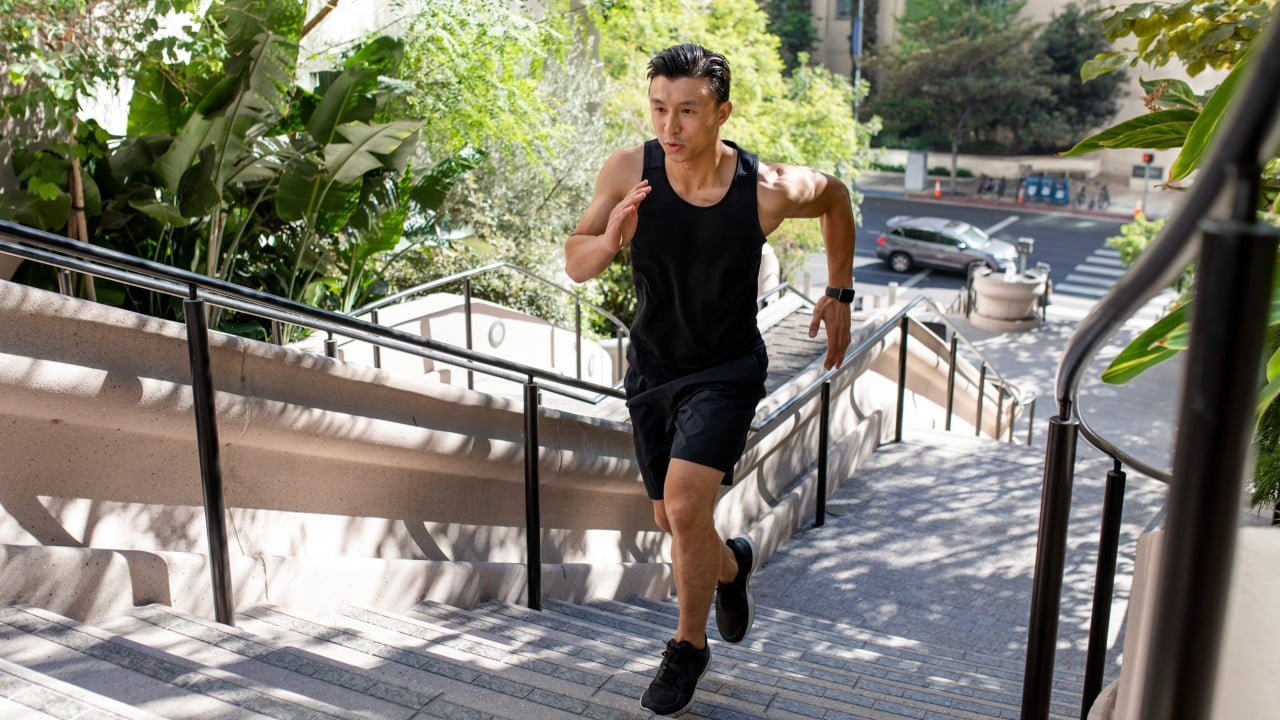
The contemporary professional, it is observed, often struggles to locate an hour for the gym. The demands of deadlines, family obligations, and late-night calls are cited impediments. In response, a concept termed “exercise snacks”—or micro-workouts—has gained traction. This approach disaggregates physical activity into short bursts, such as ascending stairs briskly, performing squats between meetings, or incorporating an interval session into a lunch break. This development is reported by SCMP Lifestyle on September 17, 2026.
Yet, this seemingly modern solution to a modern problem may resonate profoundly in Asia-Pacific societies precisely because it taps into an older, more ingrained understanding of how life is lived. The idea of fitting essential practices into the interstices of a busy day is not novel here. From the disciplined brief stretches performed by office workers before their screens to the mindful short walks integrated into daily commutes, the region has long demonstrated a pragmatic adaptability to time scarcity. The notion of a 30-second habit improving mood, as explored by the BBC on September 15, 2026, or quick methods to boost brain health, reported by BBC Science Focus Magazine on August 9, 2026, aligns with this established pattern. These are not grand, scheduled interventions, but quiet incorporations.
The appeal of micro-workouts is their promise of tangible benefits without requiring a radical restructuring of one’s schedule. This echoes a societal value where efficiency often takes precedence and where the collective rhythm of work and family life dictates individual capacity. Livemint described a “10-minute health revolution” in India, framing it as a redefinition of fitness for mothers. This suggests a recognition that traditional, time-intensive fitness models often fail to account for existing responsibilities. The argument for these brief interventions is that they offer a pathway to improved health—a fact experts reportedly link to longevity, according to Forbes on January 5, 2026, and better gut health, according to the BBC on March 25, 2026—without challenging the primary commitments that define many lives.
The value proposition of an “exercise snack” is not merely about physical gain; it is about cognitive acceptance of fitting wellness into the inescapable constraints of daily life.
However, a persistent question remains: can these fragmented activities genuinely substitute for the sustained effort of a longer gym session? The source material itself implies this tension, with its headline angle suggesting micro-workouts address the issue of finding an hour for the gym. While brief activity bursts are presented as beneficial, there is an inherent contradiction in proposing them as an equivalent. The cultural habit of finding pockets of time for wellness may be well-established, but the efficacy of this piecemeal approach in achieving comprehensive health outcomes, as compared to dedicated, longer periods, is a point of ongoing consideration. This reflects a deeper cultural negotiation between aspiration for complete well-being and the practical realities of time and expectation that continue to define the Asia-Pacific experience.
Sources
Newsletter
Pacific Daily
A curated briefing from Thailand, Asia-Pacific and the world.