The enduring weight of a single performance for young athletes
Shin Ohashi's record-breaking swim offers a moment of national pride, but the reliance on individual achievement for broader narratives carries risk.
SINGAPORE
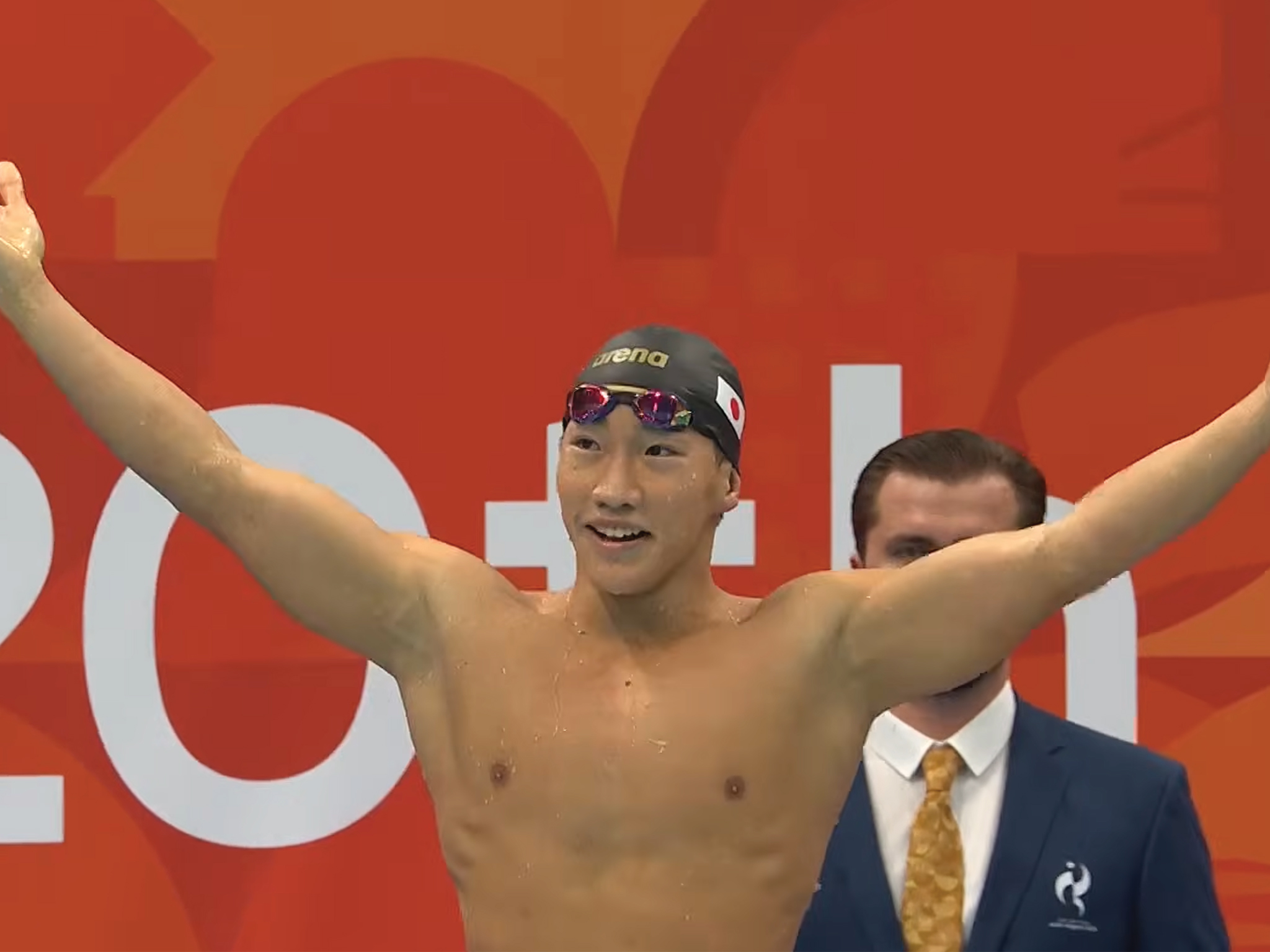
Japan's Shin Ohashi recently set a new world record in the men's 200-meter breaststroke at the Asian Games. This 17-year-old athlete’s performance, specifically his timing, secured a gold medal for Japan, as reported by Reuters and The Japan Times on September 24, 2026. Such a significant achievement was highlighted in the Tokyo Weekender's news roundup, published on September 25, 2026, alongside reports of Typhoon Dujan and Prime Minister Takaichi's diplomatic engagements.
For any nation, an individual athletic triumph can become a significant focal point, particularly when it involves a world record from a young competitor. The Straits Times, a week before Ohashi's swim, highlighted his intention to target the breaststroke world record at the Asian Games, indicating considerable anticipation for his performance. His success delivers on this, providing a clear moment of national pride and demonstrating athletic excellence on an international stage. This kind of event can galvanize public interest in sports, potentially inspiring young people to participate or pursue athletic careers.
However, focusing too intensely on individual achievements, especially those of a young athlete, can obscure broader trends and systemic issues within sports development. While Ohashi’s individual prowess is evident, the infrastructure, coaching, and support systems that produce such talent are often less visible in public discourse. The narrative then shifts to the individual rather than the collective effort that underpins their success. This creates a pressure point: if the designated 'star' fails to meet expectations, the perceived national sporting narrative can falter.
Consider the implications for regions like Thailand. While Thailand has its own sporting heroes, the sustained development of athletic talent requires more than isolated successes. It demands consistent investment in grassroots programs, access to high-quality training facilities, and long-term athlete welfare. A single gold medal, while valuable, does not automatically translate into a robust national sports pipeline or widespread athletic participation. Without a foundation, the impact of such moments can be fleeting.
Moreover, the media's framing of these events often prioritizes the 'star' narrative, contributing to a cycle where the expectation on a few individuals becomes immense. The 'new swim star' designation, as used by Tokyo Weekender, places considerable weight on Ohashi's shoulders at a young age. While inspiring, this emphasis can overshadow the less glamorous, but equally critical, work of building resilient sports programs that can produce a steady stream of talent across various disciplines.
What this means for someone in the region, particularly those involved in sports policy or youth development, is the ongoing challenge of balancing the celebration of exceptional individuals with the necessity of comprehensive, sustainable strategies. The immediate satisfaction of a world record is undeniable. Yet, the long-term benefit rests on whether such moments are catalysts for broader structural improvements or merely isolated peaks in performance. The true measure of a nation’s sporting health extends beyond a single record, residing in the depth and breadth of its talent pool.
Sources
Newsletter
Pacific Daily
A curated briefing from Thailand, Asia-Pacific and the world.