The enduring appeal of expansion, despite the cost to cities
While some European destinations grapple with visitor fatigue, the Asia-Pacific region faces a similar conundrum, where the pursuit of growth often overrides local concerns.
SINGAPORE
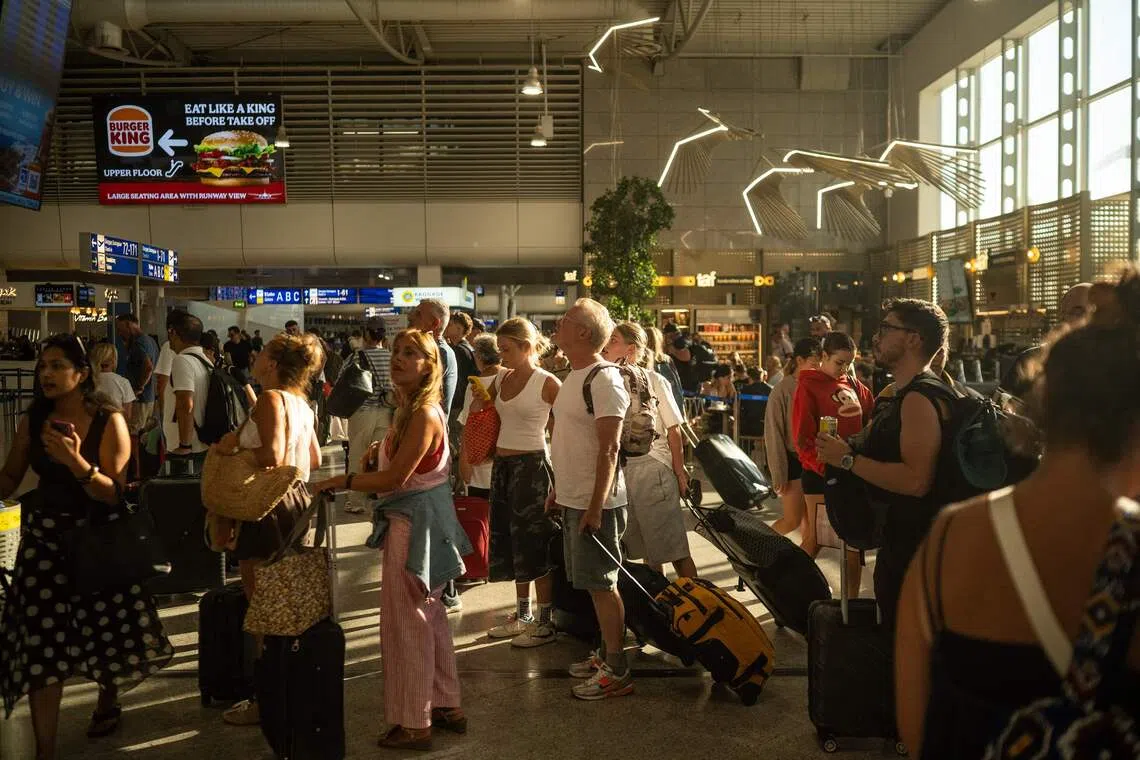
The tarmac at Athens International Airport is slated for expansion, increasing its capacity from 26 million to 40 million passengers annually. This development, as reported on September 21, 2026, by The Straits Times Life, occurs even as cities like Venice and Barcelona in Europe face struggles with overtourism. The reported conflict between local and national authorities there highlights a fundamental tension: airports expand to meet growing travel demand, while local governments contend with managing the influx of visitors and associated housing issues.
The dynamic observed in Europe, where airport growth proceeds despite local disquiet, reveals a persistent pattern. Airport expansions aim to modernise facilities. However, flight regulation often remains with central governments, limiting the power of local administrations to control tourism. This can lead to a disconnect where the infrastructure designed to facilitate global movement outpaces the capacity of specific urban environments to absorb it without strain. Climate concerns are also raised, with expansions risking exceeding carbon budgets and prompting protests.
For the Asia-Pacific region, particularly in destinations like Thailand, this European situation offers a reflection. While the specific figures for airport expansion in Thailand are not detailed here, the region's broader approach to tourism growth indicates a similar trajectory. Countries are actively welcoming travellers in 2026, a trend noted by sources. This suggests a prevailing economic imperative to attract visitors. This drive often aligns with national economic goals, where increasing passenger numbers is viewed as a measure of success and a driver for development.
The cultural signals suggest that the habit of viewing growth as inherently positive, especially in travel infrastructure, changed little. Consumer behaviour, however, may be shifting towards 'second-city travel' and 'microvacations' as noted by The Straits Times on January 3, 2026, and The New York Times on January 21, 2026. This diversification of travel patterns could, in theory, alleviate pressure on primary gateways. Yet, if airport expansions continue apace, facilitating ever-larger numbers of arrivals, the underlying tension between capacity and local impact will persist, regardless of where those tourists ultimately disperse.
The contradiction lies in the simultaneous pursuit of modernisation and the visible strain on urban life. Who benefits from unchecked expansion? The argument for economic growth through tourism remains potent, benefiting national economies and sectors tied to travel. The individuals and communities facing the day-to-day impacts of overtourism, such as housing shortages or strained public services, are often not the primary beneficiaries of airport expansion projects. The question is not whether people will travel, but at what cost to the places they visit, and who bears that cost.
Sources
Newsletter
Pacific Daily
A curated briefing from Thailand, Asia-Pacific and the world.