The Electric Mini's Quiet Claim: Shifting Tides in Asia's Urban Landscape
Suzuki's e-Sky, BYD's Racco, and the demand these vehicles place on the continent's drivers and charging infrastructure.
SINGAPORE
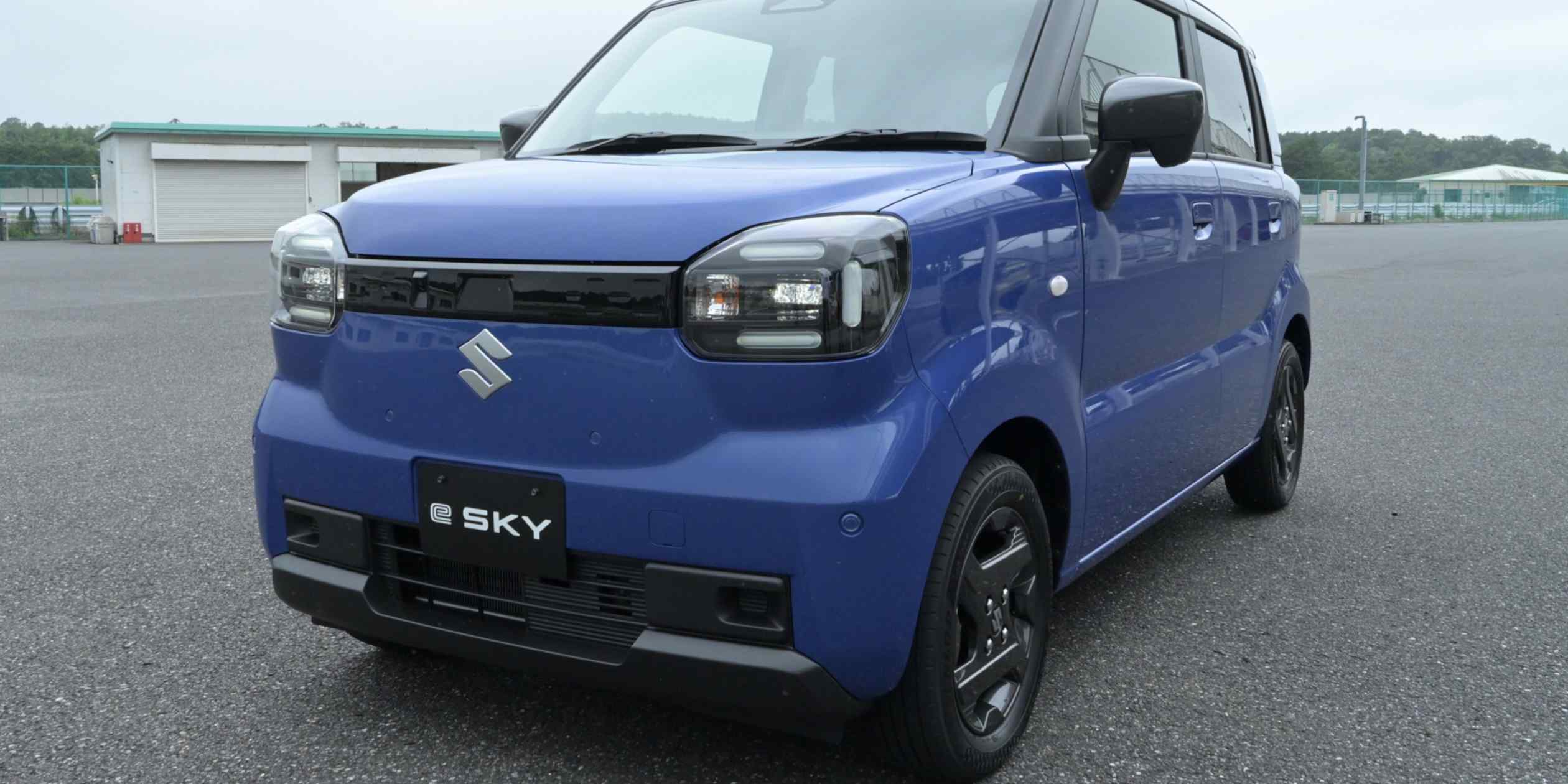
The narrow streets of Asia’s dense cities have long determined the shape and scale of the vehicles that navigate them. It is a spatial observation, a constant negotiation between movement and constraint. This landscape now encounters a new proposition: the electric mini-vehicle, exemplified by Suzuki's e-Sky and BYD's Racco. The recent finding reported by Nikkei Asia that Suzuki's new e-Sky mini EV tops BYD's Racco in energy efficiency presents more than a technical detail; it reveals a quiet but profound competition for the continent’s driving habits.
Suzuki’s e-Sky, with its reported efficiency advantage, is poised to enter European markets as soon as 2027. This move extends its reach beyond its initial, anticipated Asian sphere. Meanwhile, BYD's Racco is reported to be setting its sights on Japan outside urban hot spots, hinting at a strategy that recognizes the varying demands of different regions. Both vehicles, compact and electric, suggest a future where urban mobility prioritizes efficiency and a smaller footprint. The imperative here is clear: these vehicles ask for less — less space, less fuel, less emissions — from the environments they inhabit.
Yet, the arrival of these efficient contenders carries an implicit challenge to established patterns. The very notion of an 'energy-efficient' electric vehicle, while laudable, assumes a reliable and widespread charging infrastructure. In many parts of Southeast Asia, including Thailand, this infrastructure remains nascent. The shift from gasoline-powered vehicles to electric, even small ones, necessitates a fundamental reorientation of municipal planning and personal routines. It demands that cities adapt, not just for the vehicles themselves, but for the energy ecosystems they require.
The competition between Suzuki and BYD extends beyond energy efficiency and into broader market dynamics. China's car price war, reported by Nikkei Asia to have cost the industry as much as $68 billion in three years, underscores the intense pressure on manufacturers to offer competitive pricing. This pressure could translate into more affordable electric minis, potentially accelerating adoption in price-sensitive markets. However, the closing in of BYD, a company from China, on Japan automakers' Australia stronghold illustrates a significant competitive force that Japanese automakers must navigate. The question becomes not only which vehicle is more efficient, but which ecosystem can support its widespread integration. The reported efficiencies are significant, yet they are not the sole determinant of success. The path for these vehicles, from factory to street, is paved with infrastructure, policy, and the shifting expectations of the driver. The quiet humming of an electric mini in a city street asks its environment to respond.
Sources
Newsletter
Pacific Daily
A curated briefing from Thailand, Asia-Pacific and the world.