The Dissolution of the Calendar Year
Civic adaptation presumes seasonal margins that climatic data no longer support.
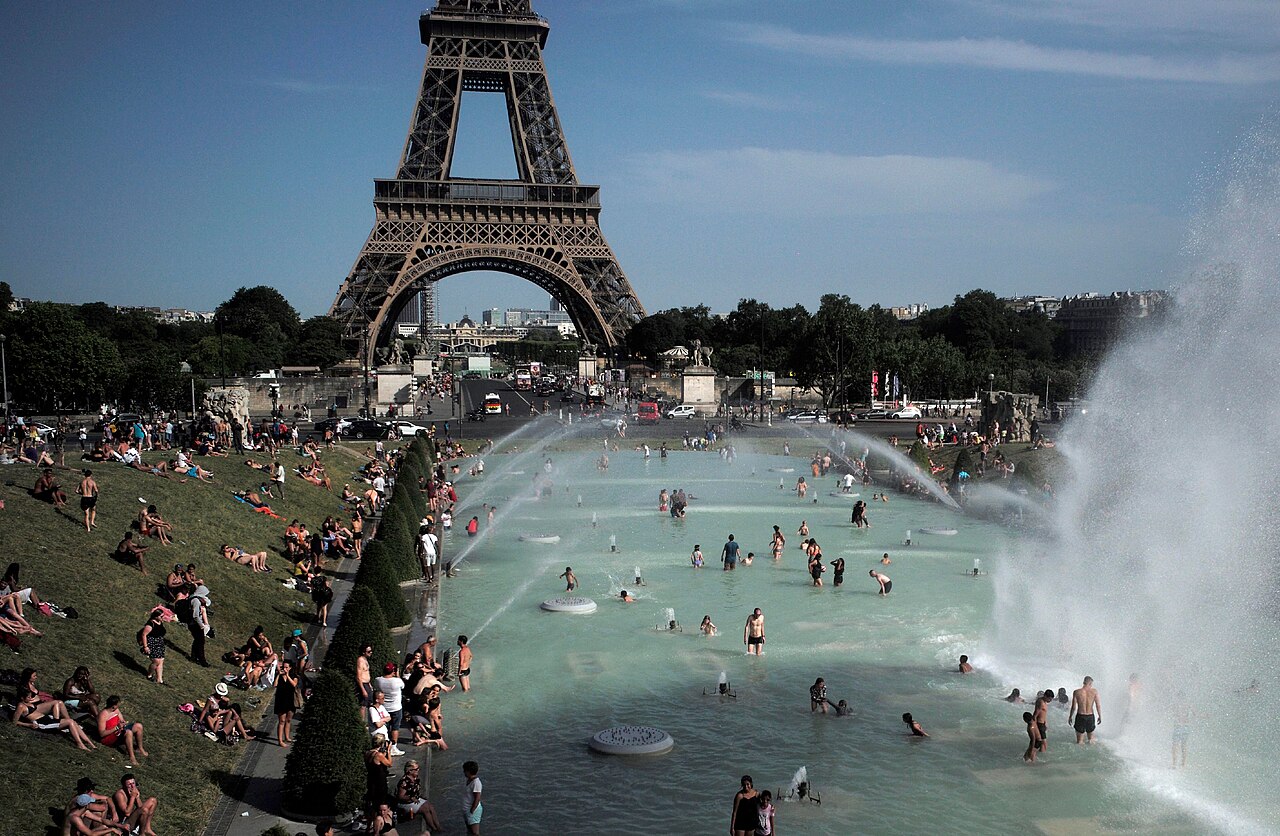
Modern municipal administration relies on the quiet fiction that the natural world observes a calendar. Civil protection protocols, labour regulations and emergency healthcare infrastructure across temperate and subtropical zones operate on fixed dates, assuming that severe thermal stress occupies a predictable midyear window bracketed by spring and autumn recovery. An analysis of more than four decades of global meteorological records, documented by Mongabay Asia, demonstrates that this temporal boundary has largely disintegrated. Thermal extremes no longer observe traditional summer perimeters, spilling outward into shoulder months that civic systems treat as temperate.
Institutional planning has long treated rising temperatures as an issue of absolute magnitude rather than temporal distribution. Attention concentrates on peak summer thresholds, civil alerts and grid stress during July or January depending on the hemisphere. Yet when meteorological data spanning over forty years show dangerous thermal spikes expanding into spring and autumn, the systemic friction shifts. Public health frameworks are not designed for unseasonal stress. Hospital staffing, agricultural planting schedules and construction labour protections rely on the assumption that transition periods provide biological and operational respite.
The Unseasonal Threshold
Researchers examining these shifts point to a structural change in how seasonal exposure accumulates. Work associated with Casey Ivanovich, alongside researchers such as Benjamin Cook of Monash University in Melbourne, Australia, and Sonali Shukla McDermid of New York University in the United States, examines how unseasonal heat alters regional vulnerability. Institutions including the NASA Goddard Institute for Space Studies and analytical resources linked to the European Centre for Medium-Range Weather Forecasts reflect this analytical turn toward prolonged seasonal anomalies. The conventional danger was defined by intensity within a contained window. The emerging reality is defined by an encroaching calendar.
We already know that extremes are becoming more frequent. They are becoming more intense. They are lasting longer.
That observation captures an operational crisis for regional policymakers. When extreme conditions settle into periods historically reserved for mild temperatures, physiological acclimatisation fails. Human populations manage high heat partly through behavioural adjustment and gradual acclimatisation across early summer. A thermal spike arriving abruptly in early spring strikes communities when metabolic conditioning and municipal preparations remain oriented toward cooler conditions.
Sceptics of sweeping administrative reform often argue that existing heat warning mechanisms remain inherently scalable. If a threshold is crossed, municipal departments can theoretically issue notices and activate cooling resources regardless of whether the calendar reads April, July or October. Technological advances in forecasting afford several days of warning, allowing emergency services to deploy targeted interventions without rewriting statutory calendars or labour treaties.
The Administrative Lag
That counterargument underestimates the deep rigidity of physical and legal institutions. Statutory labour codes in major economies govern outdoor work according to established seasonal brackets rather than reactive daily forecasts. School terms, power plant maintenance outages and agricultural cycles run on entrenched timetables. Shutting down power transmission lines for routine autumn maintenance becomes perilous if unseasonal air conditioning demand surges unexpectedly. Municipal budgets allocate emergency cooling funds according to fiscal quarters that assume autumn offers fiscal relief.
The real friction exposed by four decades of weather records is not that the atmosphere produces heat, but that human governance demands predictability. The calendar was designed as a durable technology of order, dividing risk into manageable intervals. As extreme heat days bleed into months once defined by relief, civic authorities face an unresolved tension: either dismantle the static calendars that anchor modern labour and civil planning, or accept that institutional protection will routinely arrive months after the danger begins.
Sources
Newsletter
Pacific Daily
A curated briefing from Thailand, Asia-Pacific and the world.