Thai Public Opinion Signals a Shift in Tourist Enforcement Focus
A recent poll suggests a heightened public expectation for law enforcement to address visitor misconduct.
SINGAPORE
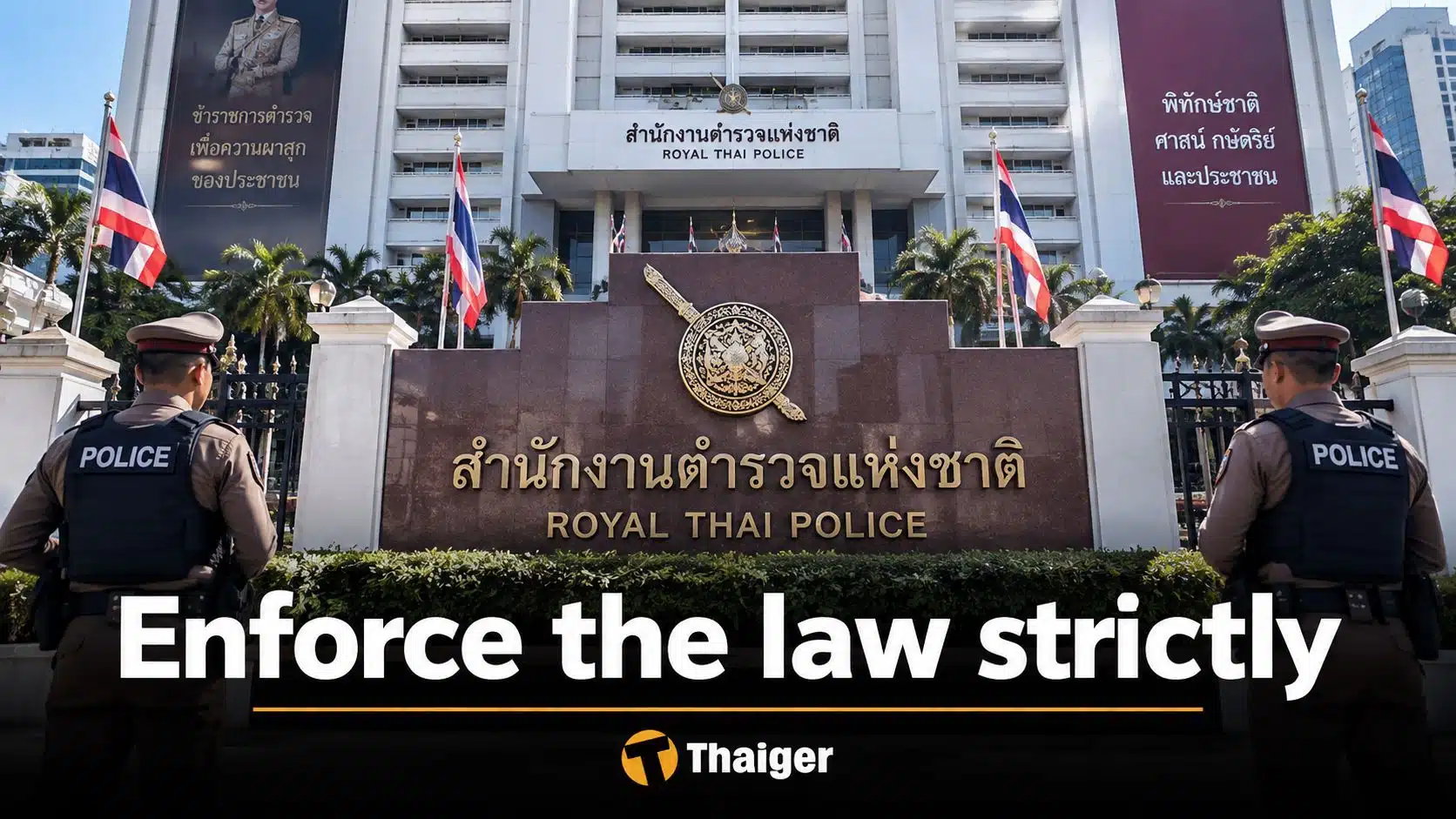
A recent Nida poll indicates a significant shift in public sentiment regarding the enforcement of Thai law on foreign visitors. The survey, conducted between September 8 and 10, 2026, across six provinces, found that 76.38% of 1,410 polled individuals had heard reports of misconduct by Israeli visitors. While only 5.11% of respondents stated they had personally experienced such incidents, a substantial majority — 76% of those aware of the reports — expressed a desire for strict enforcement of Thai law.
This sentiment, although focused on a specific group of visitors, suggests a broader public demand for accountability that could impact how Thailand manages its tourism sector. The fact that most respondents had only heard reports, rather than directly experienced incidents, indicates a perception shaped by media or word-of-mouth, which then translates into a call for official action. This development follows earlier diplomatic engagement, including the Thai Foreign Minister meeting with the Israeli ambassador in September 2026 to discuss concerns over tourist conduct, and the Israeli embassy in Thailand issuing warnings to its citizens in May 2026 regarding stricter law enforcement in Phuket.
Historically, concerns about the conduct of Israeli tourists in Thailand have not been new; for instance, rumors of an Israeli 'takeover' in Pai were dismissed by the Thai Prime Minister in February 2025. However, the current Nida poll provides a measurable snapshot of public opinion on the issue. The public's desire for strict enforcement, even when direct personal experience is limited, means that authorities are now operating under increased scrutiny regarding how they manage tourist behavior.
This public pressure could compel Thai authorities to demonstrate a more uniform application of law across all visitor nationalities, rather than focusing on specific groups. The challenge lies in balancing the economic benefits of tourism with the social expectations of local communities. Any visible move towards stricter enforcement, particularly if unevenly applied, could draw international attention. Conversely, a failure to act on stated public sentiment risks alienating a domestic population.
The outcome now depends on how Thai policy makers interpret and respond to this articulated public desire. Will this lead to more visible, across-the-board enforcement measures for all foreign visitors, or will it manifest in targeted actions that risk accusations of bias? The underlying issue is not just about one group of tourists, but about how Thailand projects its rule of law in a sector vital to its economy. This Nida poll suggests that for many in Thailand, the perceived conduct of visitors is becoming a factor in the social contract between the state and its citizens.
Sources
Newsletter
Pacific Daily
A curated briefing from Thailand, Asia-Pacific and the world.