Singapore's Boutique Farm Stays: An Agrarian Facade, Not a Response to Crisis
The sale of House of Melissa in Changi exposes the tension between curated rural escapism and the urgent demands of regional food security.
SINGAPORE
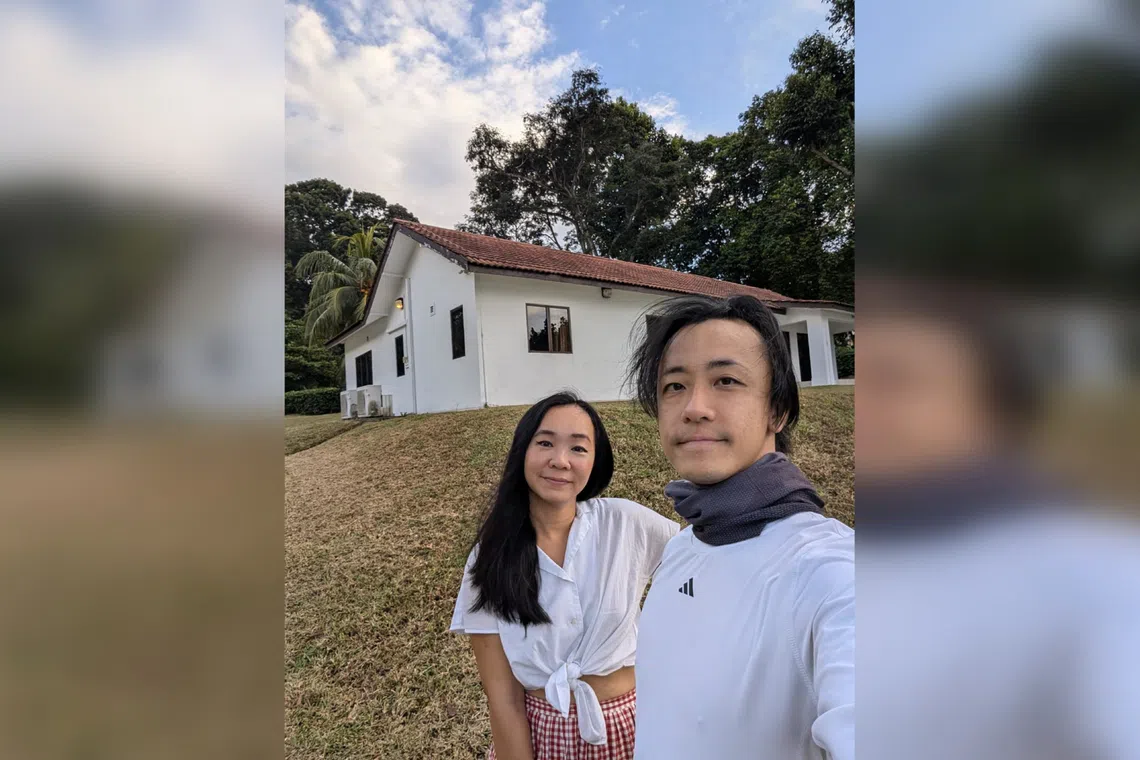
The reported offer for the leasehold of House of Melissa, a boutique farm stay in Changi Village, Singapore, offers a lens into contemporary architectural responses to agrarian ideals. Co-founders Candice Li and Clarence Chua are calling for offers to take over the business by December 1. This property, offering sea views and activities like beekeeping and kayaking, maintains a 66% occupancy rate. Its owners, also running House of Melissa, state the sale is due to rising rent and decreased demand over two years.
This farm stay, marketed to those seeking to 'retire in the countryside,' operates as a carefully constructed experience. It provides an aestheticized version of farming, catering to a specific consumer segment. The concept, according to its co-founders, 'has room for growth,' yet this growth appears to be centered on leisure and curated experiences, not on the practicalities of food production or agricultural self-sufficiency. Its design resists engagement with the economic pressures defining genuine farming operations, instead presenting a pastoral ideal.
The context for this venture's challenges extends beyond its immediate micro-economy to broader trends across Asia and the Pacific. The Food and Agriculture Organization highlights agricultural innovations as central to smart farming discussions. Simultaneously, the region faces significant agricultural volatility. Crops in China are threatened by heat and floods. Broader concerns about food security are also evident, intensified by geopolitical events.
House of Melissa operates in contrast to these regional agricultural realities. Its occupancy rate indicates a sustained appeal for 'farm stays' as a tourism product. The architectural intent prioritizes escape over genuine engagement with agricultural systems. This market segment seeks respite, not a direct contribution to food supply chains or sustainable land use, which makes its profitability sensitive to consumer demand shifts and operational costs like rising rent. The notion of a ‘farm stay’ in this urbanized context becomes a stage for a lifestyle aspiration, distanced from policy discussions on food security, climate resilience, and labor issues that affect agricultural economies, such as the reported reliance on Central Asian labor for British farms. The building’s design and function insulate its patrons from these pressing concerns.
The stated desire of the co-founders to focus on their other nature business signals a strategic move towards profitable ventures within the experiential economy. The new owner of this Changi property will acquire a profitable leisure business, albeit one with inherent design limitations. The fundamental design constraint remains unresolved: how can a boutique farm stay genuinely contribute to agricultural understanding or food security when its primary function is defined by escapism?
Sources
Newsletter
Pacific Daily
A curated briefing from Thailand, Asia-Pacific and the world.