Seoul’s cultural investment: A new blueprint for artistic identity
South Korea’s long-term commitment to arts funding, including an annual youth culture pass, reflects a strategic effort to cultivate a distinct national narrative, posing a challenge to other Asian economies.
SEOUL
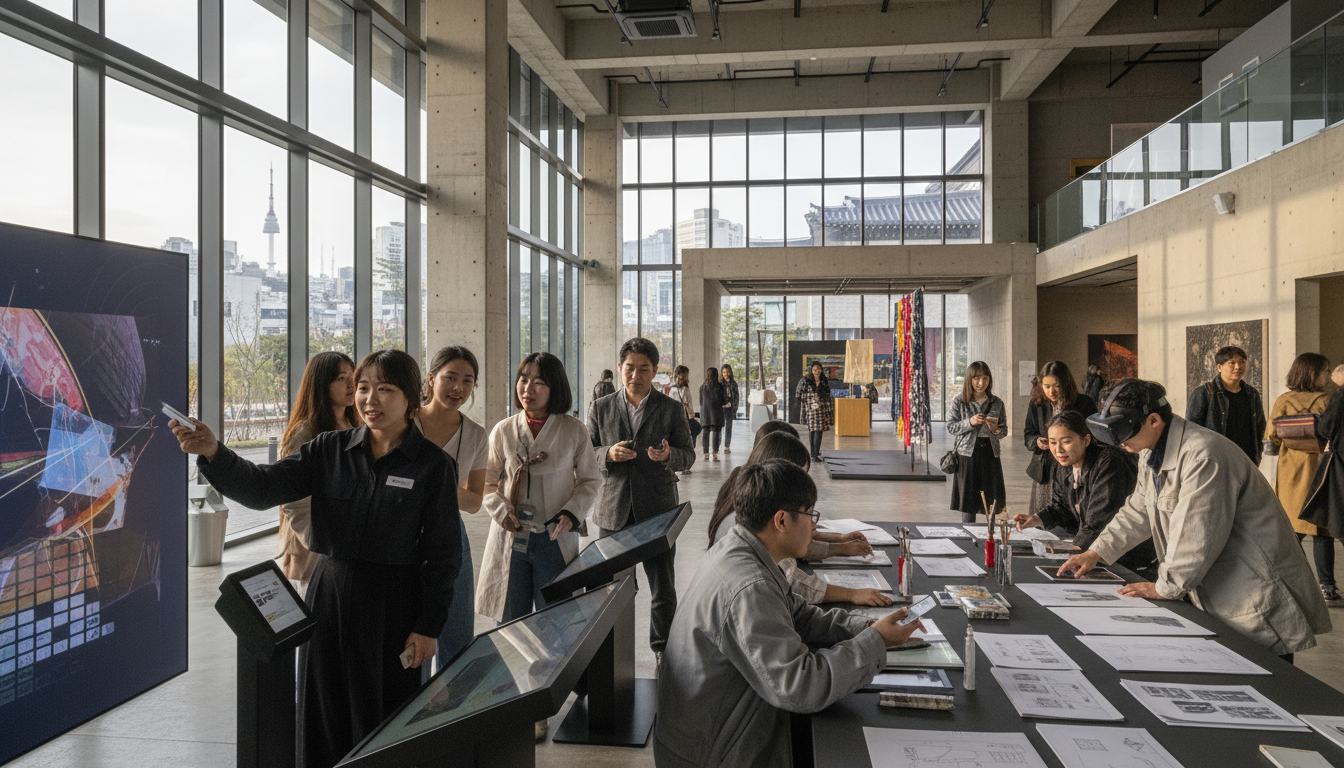
The way a nation invests in its artistic life often reveals its deepest aspirations. South Korea, for instance, is moving beyond episodic support to embed culture deeply within its social fabric. From 2027, its youth culture pass will transition from a one-off payment to a recurring annual allowance, a significant shift reported on September 16, 2026. This is not an isolated initiative; it is part of a broader, sustained commitment.
Since 2015, South Korea has systematically increased its cultural funding. Sue R. Lee, head of visual arts division at the Korea Arts Management Service, stated that the Ministry of Culture, Sport and Tourism dedicates 40% of its budget to arts and culture. This financial dedication extends to supporting private galleries and emerging artists through financial incentives and exclusive contracts. An integrated art information platform, set to launch in 2028, aims to increase market transparency and support artists’ resale rights. These measures indicate a national strategy designed to foster not just consumption but also the creation and sustainable development of its cultural industries.
This sustained investment contrasts with the more sporadic or tourism-focused approaches often seen elsewhere in Asia. While some economies might view arts funding primarily as a lever for immediate economic returns or international branding via spectacular events, South Korea’s strategy appears rooted in a more profound ambition: to cultivate a national identity that resonates both domestically and globally. The youth pass, specifically, suggests an understanding that cultural engagement must begin early and be consistently nurtured to build a lasting audience and a robust creative class. This approach implicitly acknowledges that a strong cultural identity is not merely an outcome of economic prosperity but a contributor to it.
However, the efficacy of such top-down strategies always faces scrutiny. While financial support is crucial, the true vibrancy of an arts scene often depends on organic growth, independent spaces, and critical discourse that may not always align with state-led objectives. There is a risk that such comprehensive government backing, while providing stability, could inadvertently steer artistic expression towards officially sanctioned forms, potentially stifling more experimental or challenging works. The challenge lies in balancing structured support with the freedom essential for genuine artistic innovation.
Yet, this commitment offers a compelling blueprint for nations like Thailand, which possess rich cultural heritages but may struggle with sustained, systematic investment in contemporary arts infrastructure and audience development. South Korea’s approach signals a belief that culture is not a peripheral luxury but a core national asset requiring long-term, strategic cultivation. The question for other Asian nations then becomes: what kind of cultural future are they truly investing in?
Sources
Newsletter
Pacific Daily
A curated briefing from Thailand, Asia-Pacific and the world.