Seasonal Disruptions Reshape Fashion Economics, Pose Strategic Questions for Pacific-Rim
Unusually warm weather alters consumer demand for apparel, compelling a re-evaluation of established economic models and manufacturing strategies across the Pacific-Rim.
The persistent warmth extending into autumn, where winter coats appear on runways while T-shirts remain on streets, reveals more than just a sartorial paradox. This disruption in the fashion industry, highlighted by the Christian Dior Womenswear Spring Summer 2027 collection in Paris in late September 2026, reflects a fundamental shift in seasonal predictability. This shift carries economic implications for the Pacific-Rim, challenging established practices.
Traditionally, the fashion calendar relied on distinct seasonal transitions. This was particularly true for the high-margin autumn and winter clothing segments. However, longer, hotter summers and warmer autumns are delaying consumer demand for cold-weather garments. Pau Almar stated, "The whole industry should realise that with climate change and higher temperatures, the time for selling coats has shifted later." This observation underscores a challenge to established retail models, where inventory cycles and production schedules are finely tuned to historical seasonal norms. When seasons become less defined, the financial models built upon them face uncertainty.
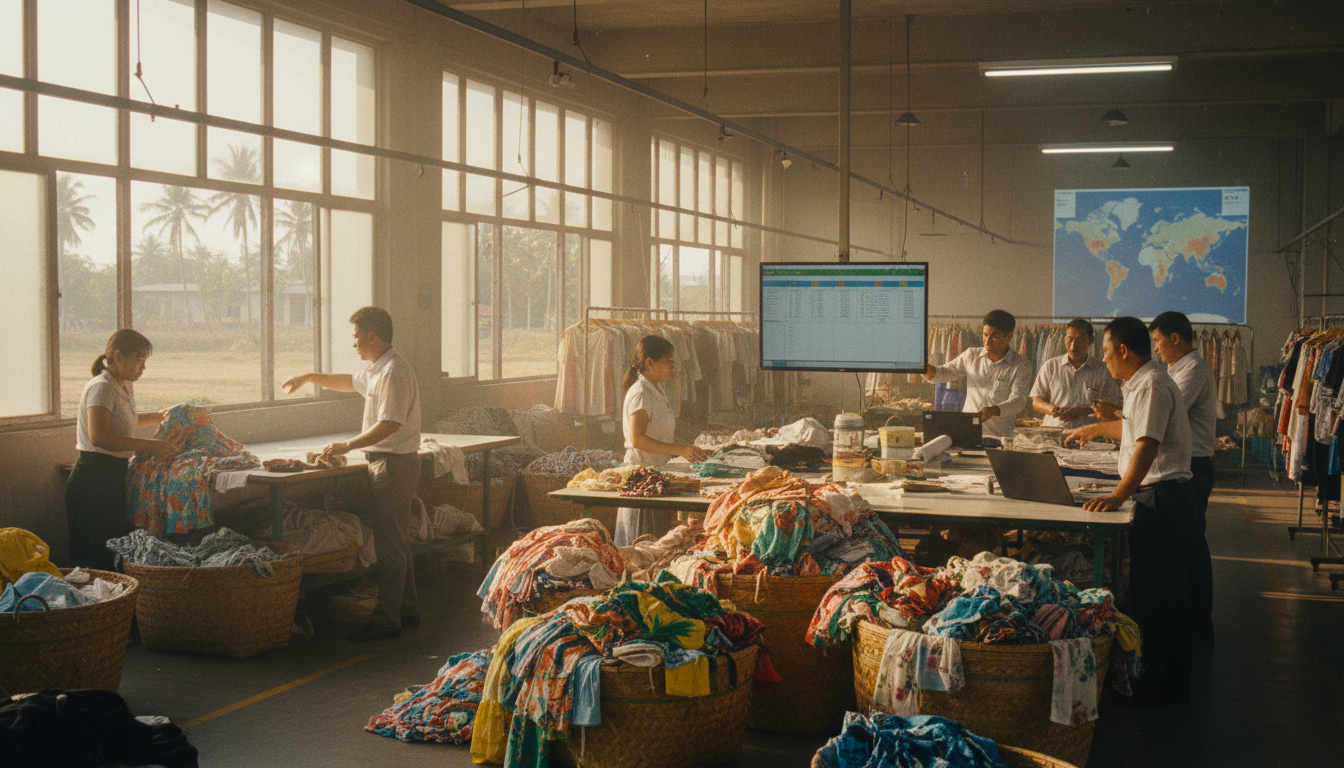
The impact extends beyond luxury brands like Christian Dior to broader retail and manufacturing sectors. Countries with significant textile and garment manufacturing capabilities, such as Thailand, historically supplied diverse markets, including those with pronounced winter seasons. A sustained reduction or delay in demand for heavy winterwear from key export destinations could compel a re-evaluation of production lines and export strategies. The economic calculus shifts from fulfilling a predictable seasonal demand to adapting to a volatile one, potentially affecting employment and investment in the manufacturing hubs that serve the global apparel industry.
While some might argue that the industry has always adapted to trends, the current challenge stems from an environmental change rather than a fashion preference. This distinction means the adaptation required is systemic, affecting supply chains from raw material sourcing to retail distribution. The shift is not merely about designing lighter fabrics but about recalibrating an entire industry's operational rhythm against an uncertain climate backdrop. For Pacific-Rim economies, this could mean pressure to diversify textile exports, focus on year-round apparel, or invest in climate-resilient manufacturing processes.
This reorientation presents a complex challenge. The initial economic burden of adapting falls on the manufacturing and retail sectors, while the broader costs of a changing climate are distributed unevenly. The longer-term implications for regional economies, particularly those reliant on manufacturing exports, remain a critical concern, highlighting the tension between global climate patterns and local economic stability.
Sources
Newsletter
Pacific Daily
A curated briefing from Thailand, Asia-Pacific and the world.