Samoa Hospital Project Illuminates Capital Flow Dynamics and Healthcare Provision in Asia-Pacific
The PSH Hospitals initiative in Savai'i highlights evolving investment patterns and persistent healthcare disparities, requiring scrutiny of private credit and public provision.
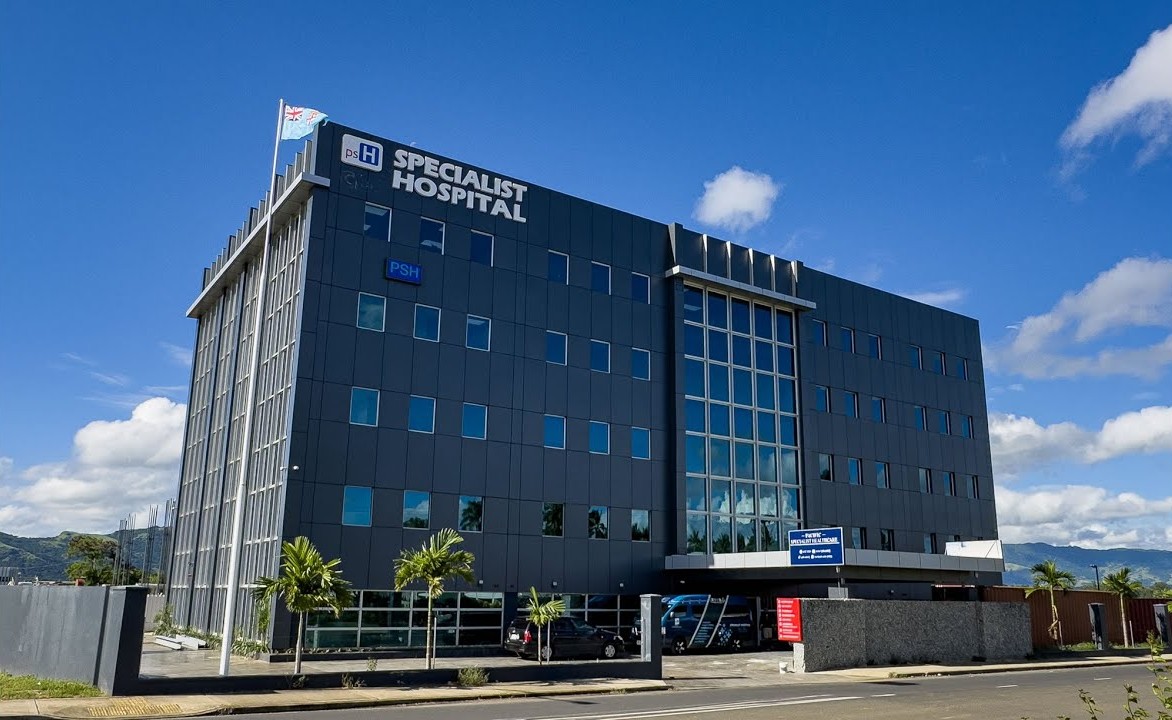
The commencement of groundwork by FIJIAN medical company PSH Hospitals for a private hospital in Savai’i, Samoa, represents a localized manifestation of broader trends in the Asia-Pacific investment landscape. This development, reported by Islands Business on September 21, 2026, necessitates examination beyond its immediate appearance, particularly given the financial mechanisms increasingly prevalent in the region.
Institutional investors have elevated their allocations to Asia, specifically private credit, as documented by Reuters in August 2026. This influx of capital coincides with a Moody’s Ratings forecast from July 5, 2026, predicting a slowdown in Asia Pacific private credit growth. While the Asian Development Bank (ADB) seeks to engage global business leaders to address regional challenges, as noted on July 3, 2026, the specific nature of these investments and their beneficiaries warrant closer inspection. Goldman Sachs, on July 9, 2026, observed that Japan is in the early stages of increased corporate buyout activity, suggesting a wider appetite for private capital deployment.
The PSH Hospitals project, in the context of these capital movements, presents a notable case. On one hand, it addresses a clear need: an expert commentary from rnz.co.nz on September 24, 2025, indicated that the Samoan Prime Minister’s treatment abroad underscored domestic healthcare gaps. A private hospital could, in theory, alleviate some pressure on existing public services. However, the reliance on private funding for essential services raises questions about long-term affordability and access for the broader population in a region where such gaps are pronounced.
Conversely, the project can be framed as a strategic investment, potentially leveraging the very healthcare demand that often goes unmet by public infrastructure. Asset demand, driven by AI, is reshaping the Asia-Pacific investment landscape, according to the South China Morning Post in August 2026. This suggests a sophisticated, data-informed approach to capital allocation. This implies that ventures like the Samoa hospital project are not merely philanthropic endeavors but calculated moves within a shifting financial ecosystem.
Ultimately, the PSH Hospitals initiative in Savai’i illustrates a tension. It offers a potential solution to an identified healthcare deficit, yet it also represents the expansion of private capital into critical public sectors. The actual impact on Samoa’s healthcare access and equity will depend on the operational specifics of this private facility and its integration, or lack thereof, with the existing public health system. The broader question for the Asia-Pacific remains how private investment, particularly in sectors like healthcare, will either bridge or widen the gaps in public provision amid evolving regional financial dynamics.
Sources
Newsletter
Pacific Daily
A curated briefing from Thailand, Asia-Pacific and the world.