Resilience and the Specter of Exceptionalism in Health Narratives
The case of a Hong Kong cancer survivor reveals a persistent tension in public health discourse across Asia.
SINGAPORE
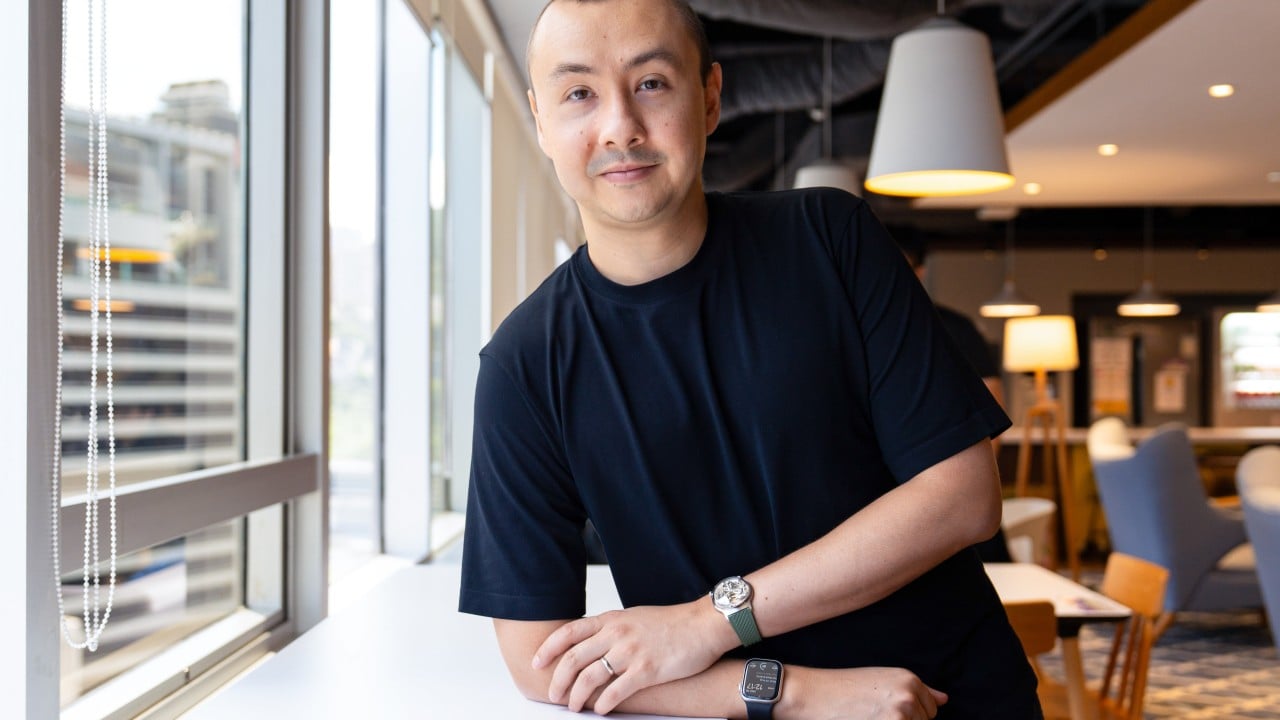
The reported composure of Kevin Cureau, a 37-year-old French-Chinese resident of Hong Kong diagnosed with stage-three liposarcoma in late 2025, merits careful consideration. SCMP Lifestyle, reporting on September 23, 2026, notes Cureau’s assertion: “It was more, ‘Oh, this is just something I have to get through.’ I wasn’t scared or anything.” This posture, described as surprising even to his oncologist, reflects a particular narrative often presented in Asia-Pacific media concerning illness.
Such accounts tend to emphasize personal resolve and a calm, often positive, mental state as instrumental in confronting severe medical challenges. The implication, frequently left unstated, is that a disciplined individual outlook can somehow mitigate the severity of a diagnosis or the difficulty of treatment. This perspective often aligns with cultural signals that prioritize stoicism and personal responsibility, thereby constructing narratives of exceptional individual resilience.
However, this focus on personal exceptionalism risks obscuring the systemic realities of healthcare access, quality, and the profound psychological burden that illness imposes. An attributed claim from Cureau himself, that he “did not fully understand what liposarcoma was” at the time of diagnosis, suggests that his initial calm might have been partly a function of incomplete information, rather than purely an innate psychological fortitude. While individual strength is undoubtedly a factor in coping with disease, framing it as the primary determinant of a patient's journey — or even their initial reaction — risks minimizing the significant role of medical support, societal safety nets, and the sheer randomness of disease. The public discourse often steps around the fact that not all individuals can, or should be expected to, meet such severe diagnoses with an equivalent degree of equanimity.
If we consider the broader implications for public health communication, this emphasis on an individual's extraordinary calm can inadvertently set an unrealistic benchmark for others. It implies that a 'correct' way to respond to a life-threatening illness involves a particular emotional control, rather than acknowledging the spectrum of valid human reactions, which often includes fear, anxiety, and despair. The unquoted voices in these narratives are often those who struggle without such composure, or who face conditions beyond their control. The essential fact remains that liposarcoma, as with any stage-three cancer, presents a formidable challenge regardless of the patient's initial emotional response. Acknowledging this broader truth allows for a more nuanced understanding of both individual experience and public health responsibilities, moving beyond the compelling, but potentially misleading, narrative of the unflappable patient.
Sources
Newsletter
Pacific Daily
A curated briefing from Thailand, Asia-Pacific and the world.