Regulation and Reality: The Limits of Disciplinary Disclosure
A single incident in a British Columbia classroom reveals more than isolated error; it highlights a systemic tension in how institutions manage accountability.
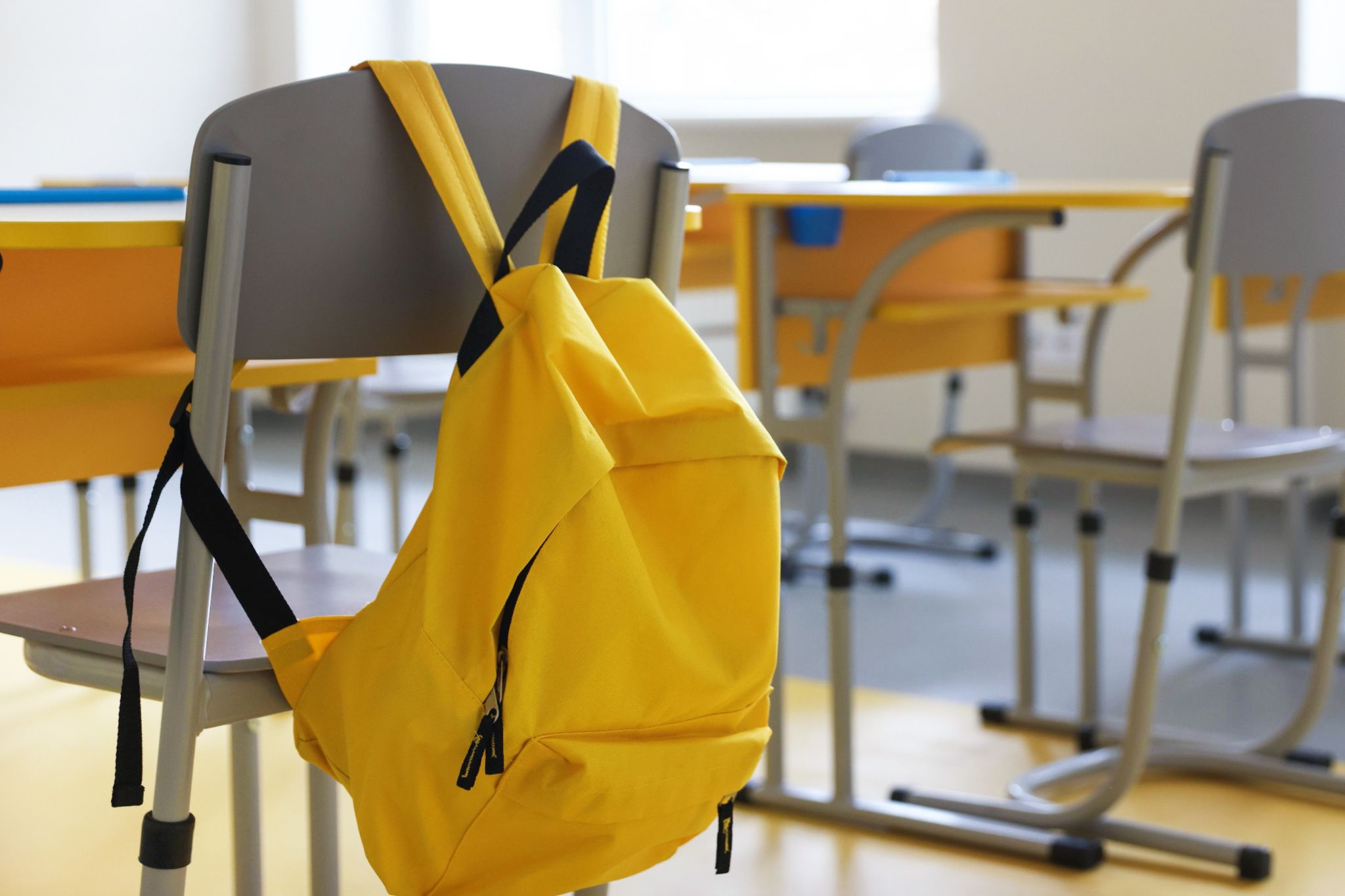
The British Columbia Commissioner for Teacher Regulation recently reported on an incident from Fall 2025. A Grade 5 student, identified as 'Student A' and described as vulnerable, did not follow a teacher’s direction. The teacher, whose name was redacted, then tipped the student’s chair, causing the student to fall and strike their head on a table. The student cried but the injury was not reported to school administration.
This event, leading to a one-day suspension for the teacher, presents a case study in institutional transparency. The Commissioner’s report details the action and consequence but deliberately omits identifying information for the teacher and student, citing protection of those harmed, abused, or exploited. This redaction strategy, while framed as protective, simultaneously restricts public scrutiny of the individuals involved. The 'vulnerable student' designation further complicates the narrative, implying pre-existing conditions or challenges without specifying them, which might otherwise inform the public on broader systemic issues.
Elena Faltings, Luxury Markets Analyst, has stated: "The brand’s claim of protection must be tested against the numerical outcome: a single day's suspension for an action resulting in physical injury, not reported to management."
The incident, occurring in British Columbia, is not an isolated instance of educational disciplinary action receiving public attention. In 2017, a grammar school head was suspended in a separate incident, and in 2015, a Washington teacher allowed a student to shave her head after bullying. These cases, while different in nature, collectively indicate a pattern where teacher conduct becomes subject to formal review, often with details emerging retrospectively. The core tension remains: the disciplinary measure applied (a one-day suspension) against the physical outcome (a student hitting their head and crying, with the incident unreported internally).
Consider the implications for regions such as Thailand and the broader Asia-Pacific. Educational systems across the Pacific Rim, which superpowers are increasingly eyeing for trade deals, face their own challenges in teacher accountability and student welfare. South Korea, for instance, saw teacher suicides in 2023 that exposed issues of parent bullying. While distinct from direct teacher-student physical contact, these cases underscore the complex, often contentious, relationships within school environments. The B.C. incident, however, highlights an internal disciplinary failure to manage an immediate physical harm.
The regulatory body's stated aim of protecting identities, while understandable, does not fully address the question of why a physical incident resulted in a minimal reported disciplinary action and no internal report to the school administration. The narrative focuses on the teacher's suspension but does not account for the immediate lack of internal reporting or the apparent disconnect between the severity of the act and its formal consequence. The omission of the teacher’s name and the student’s specific vulnerability, while legal, prevents a complete analysis of preventative measures or the efficacy of current safeguards.
The stated protection of identity, when applied to a teacher who caused injury and failed to report it, can be interpreted as a means to contain negative publicity for the institution rather than solely protecting the vulnerable. The consequence—a one-day suspension—appears less a robust deterrent and more a procedural acknowledgment, leaving the underlying mechanisms of oversight in question. The Commissioner's report details an event, but its structure offers little insight into how such incidents are systematically prevented or how the proportionality of consequence is determined. The primary fact remains: a student was injured by a teacher, and the incident was not internally reported, leading to a single day of suspension.
Sources
Newsletter
Pacific Daily
A curated briefing from Thailand, Asia-Pacific and the world.