Regional tourism targets traditions amid shifting travel patterns
Hong Kong's Tai Hang Fire Dragon Dance highlights a broader trend: destinations leveraging cultural heritage to attract post-pandemic visitors.
SINGAPORE
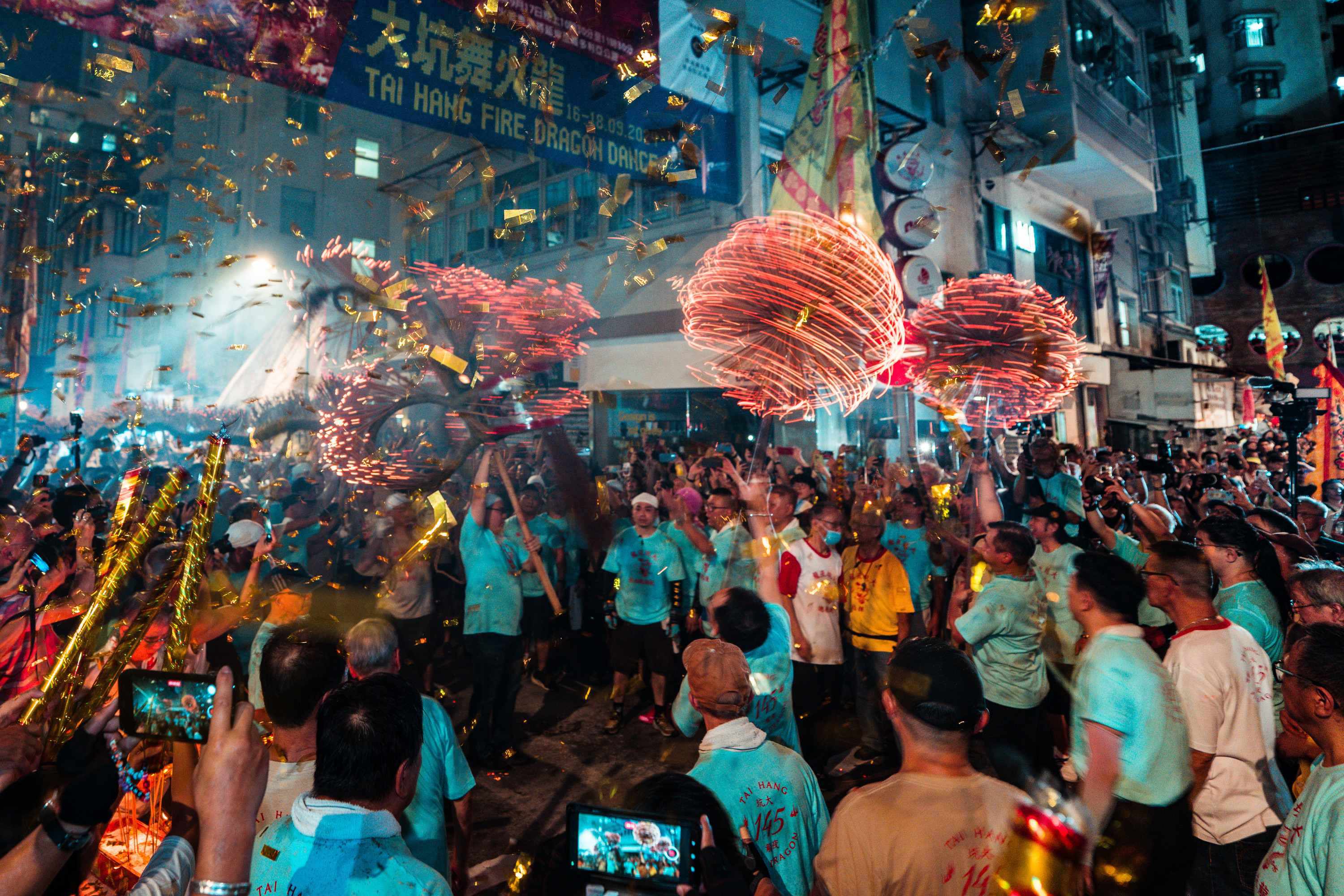
Hong Kong’s Tai Hang Fire Dragon Dance, scheduled for September 24 in commemoration of the Mid-Autumn Festival, illustrates a strategic pivot in Asia-Pacific tourism. As destinations refine their post-pandemic appeal, the emphasis appears to be shifting from generic attractions to unique cultural events, a move that carries both opportunity and financial implications.
Traditionally, the Fire Dragon Dance has been a community fixture, with images from as early as 2025 showing its presence at Victoria Park. Its timing aligns with the broader Mid-Autumn Festival period, which other regional players are also targeting. VnExpress International reported on September 15, 2026, that Vietnam’s Ba Na Hills initiated its own Mid-Autumn Festival activities, including a 50% discount for youth. This suggests a recognition across the region that holiday periods offer specific windows to attract visitors, and that cultural engagement can be a draw.
Dragon dances themselves are not unique to Hong Kong’s Tai Hang. Singapore’s record-breaking giant fire dragon, which requires rebuilding every three years, indicates a significant investment in such traditions as tourist magnets. Even outside Asia, the Malay Mail reported on August 29, 2026, on Africa’s first Shaolin Temple incorporating dragon dances, suggesting a wider global appeal for these cultural performances. This pervasive presence means that while the Tai Hang event has a specific local significance, it operates within a competitive landscape where many destinations present similar cultural motifs.
The challenge for Hong Kong, and indeed for any destination deploying such events, lies in translating cultural spectacle into sustainable economic benefit. The question arises: who pays for the perpetuation and promotion of these traditions, and at what occupancy rates do they become financially viable for host cities and businesses? The South China Morning Post documented similar dragon dance parades during Tuen Mun’s Tin Hau Festival on May 8, 2026, and the Tam Kung Festival on May 24, 2026, indicating a frequent deployment of these elements within Hong Kong’s own tourism calendar.
While cultural events undeniably enhance a destination's appeal, their financial returns are not always direct or immediate. Promoting a heritage event like the Tai Hang Fire Dragon Dance positions Hong Kong within a competitive cultural tourism market, but it also means competing with other locations actively promoting their own unique traditions or even adopting similar forms. The 50% youth discount offered by Ba Na Hills, for instance, targets a demographic sensitive to pricing, implying that attracting certain visitor segments still requires financial incentives even when cultural appeal is present.
The incentive for local authorities and tourism bodies is clear: unique cultural events differentiate a destination in a crowded market. The winners are potentially local businesses that benefit from increased footfall, and the performers and artisans who keep these traditions alive. However, the costs of staging such spectacles, maintaining their authenticity, and marketing them effectively often fall to public funds or corporate sponsorships, with indirect or long-term revenue generation. The outlook for such initiatives hinges on whether visitors view these events as standalone attractions worthy of travel, or simply as an added value to an existing itinerary. The success of this strategy, therefore, depends less on the spectacle itself, and more on visitor conversion and the associated economic multipliers.
Sources
Newsletter
Pacific Daily
A curated briefing from Thailand, Asia-Pacific and the world.