Regional Drug Policy Lags as Hawaiʻi's Methamphetamine Crisis Offers a Sobering Precedent
The delayed response to Hawaiʻi's 1980s 'ice' surge highlights a persistent pattern in drug control: coastal communities often bear the initial brunt of policies conceived far from their shores.
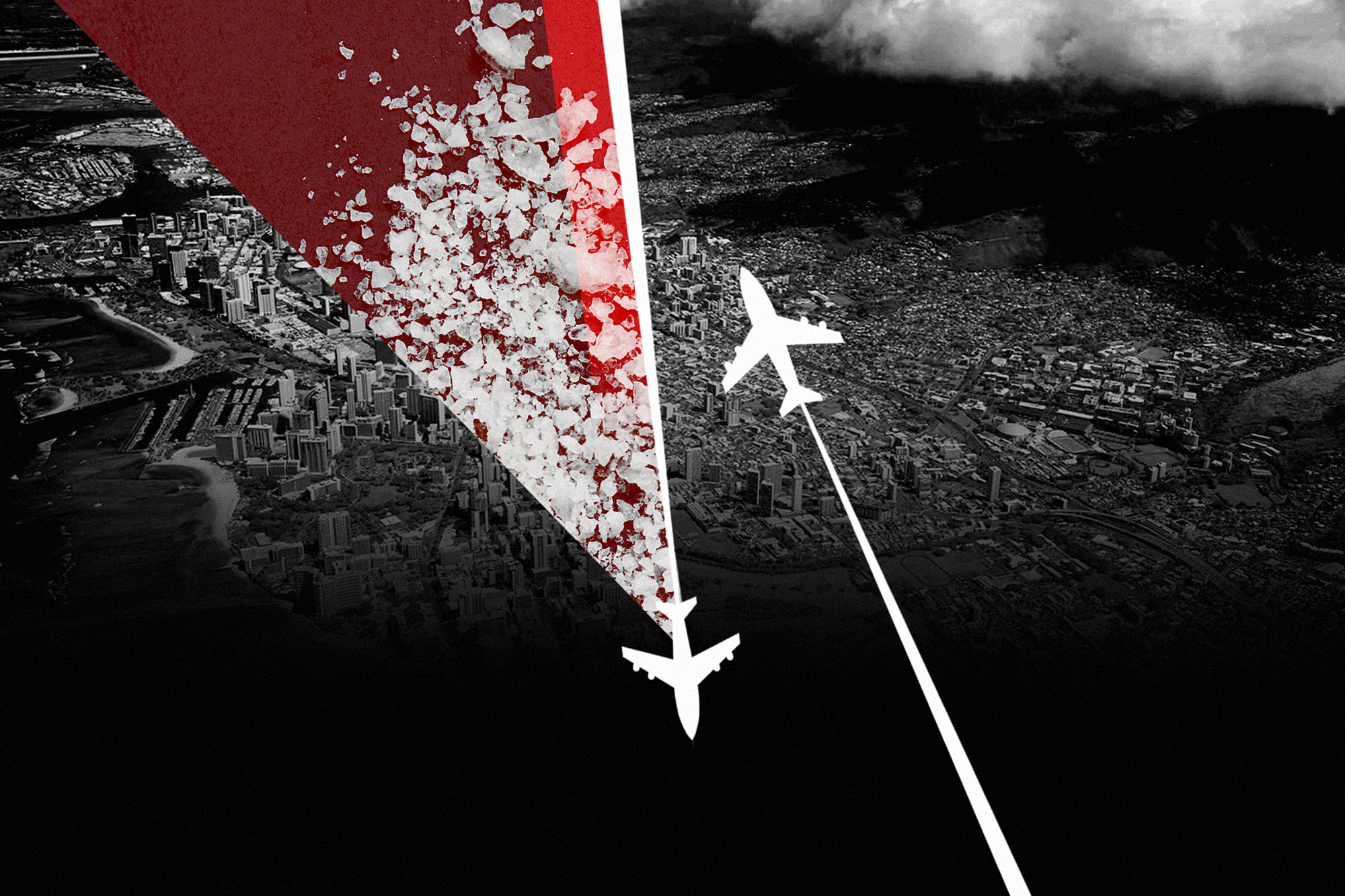
The arrival of smokable methamphetamine, or 'ice,' in Hawaiʻi during the mid-1980s marked a significant shift in regional drug dynamics. While methamphetamine was largely unknown in the islands prior to this period, its sudden proliferation initiated a national panic that continues to manifest lethal consequences four decades later. This historical trajectory in Hawaiʻi offers a case study in how novel drug forms can rapidly reshape a region, often outpacing conventional policy frameworks and exposing the vulnerabilities of island states within broader national strategies.
Historically, drug control policies often emerge from central authorities, designed with continental or mainland concerns as the primary driver. The specific challenges of island jurisdictions, with their unique logistical pathways and social structures, can be an afterthought. Hawaiʻi’s experience illustrates this: a new, highly addictive substance took hold rapidly, creating a crisis that then necessitated a response, rather than being contained by proactive measures. The delayed recognition of 'ice' as a distinct and potent threat allowed it to embed deeply within communities before comprehensive strategies could be implemented. This pattern suggests that the geographic and strategic realities of coastlines and island territories are frequently undervalued in the initial drafting of drug interdiction and public health policies.
The implications for regions like Thailand and the wider Asia-Pacific are clear. As global trade routes evolve and new psychoactive substances emerge, the vulnerability of coastal and island nations to rapid drug ingress remains acute. The historical record from Hawaiʻi indicates that the initial phases of such crises often involve a period where the specific local impacts are not fully grasped by central policymakers, leading to reactive rather than preventative approaches. This lag in understanding translates directly into prolonged social and public health challenges for the affected regions. For Thailand, with its extensive coastline and numerous island communities, the risk is not merely theoretical; it is a recurring structural challenge in managing transnational flows.
The counterargument posits that modern surveillance and intelligence networks are more sophisticated, capable of detecting new drug trends faster than in the 1980s. However, this perspective often overlooks the adaptive capacity of illicit networks and the persistent lag between identification of a substance and the implementation of effective, regionally tailored countermeasures. The experience of Hawaiʻi suggests that while central governments may eventually deploy resources, the initial burden of a new drug epidemic disproportionately falls on the immediate points of entry and vulnerable local populations. There remains a persistent tension between nationally framed drug policies and the specific, often urgent, needs of regional coastal communities facing the direct impact of these evolving threats.
Sources
Newsletter
Pacific Daily
A curated briefing from Thailand, Asia-Pacific and the world.