Regional competition intensifies as welcoming cities define economic advantage
Singapore's top ranking by a travel eSIM provider reveals underlying strategic shifts in tourism appeal.
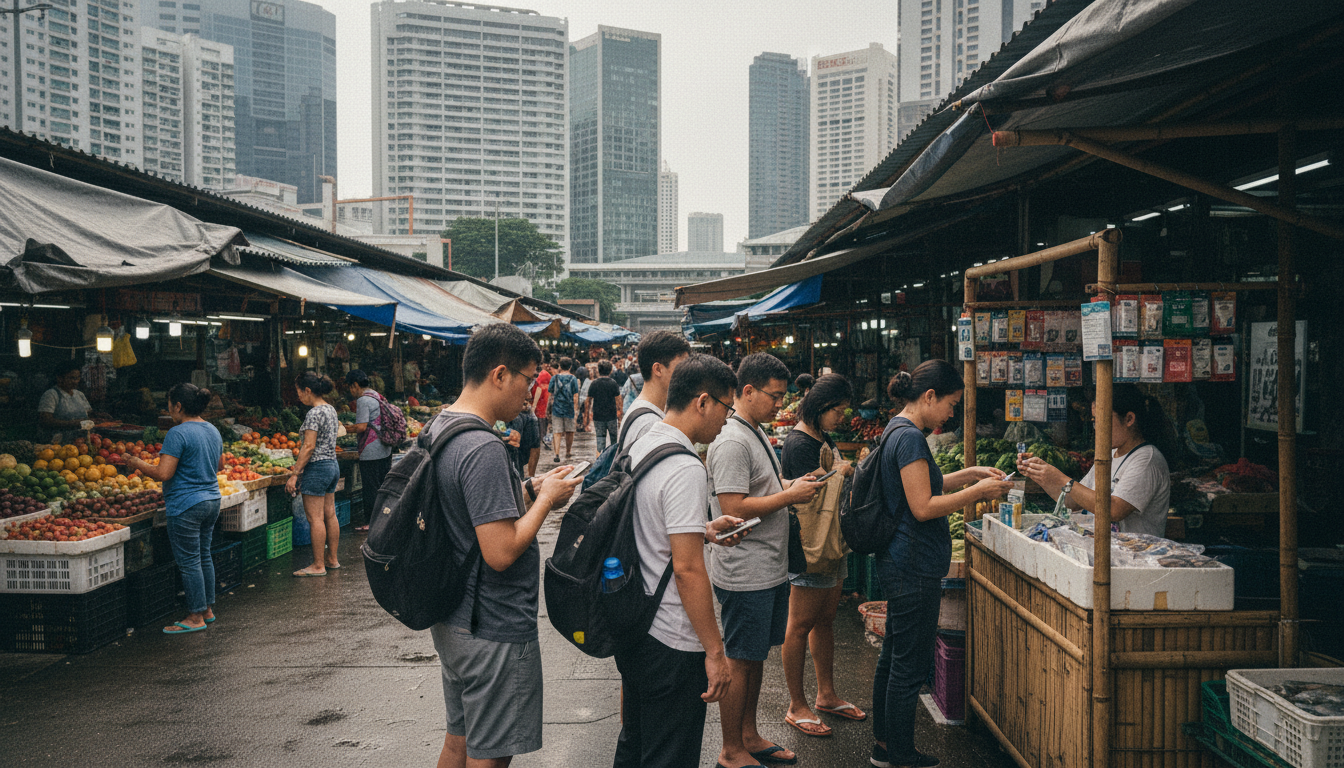
SINGAPORE
The recent designation of Singapore as the world's most welcoming city for travelers by Holafly, a travel eSIM provider, places it ahead of London and Sydney. This ranking, reported on September 16, 2026, by VnExpress International, draws a precise line between perceived hospitality and regional economic strategy. It is not merely an accolade; it signals a competitive edge in a sector vital to Southeast Asia's economic landscape.
Singapore's consistent appearance in such rankings – including a July 19, 2026, mention by VnExpress International as among the 'most welcoming cities for expats' alongside Tokyo – reflects a deliberate approach to global integration. While 'friendliness' might appear an abstract quality, for a city-state like Singapore, it translates into quantifiable visitor numbers and economic activity. This classification underscores a strategic emphasis on service infrastructure and perceived ease of entry. The methodology for 'welcoming' is provided by a travel eSIM provider; the specific criteria for this judgment remain with Holafly. This is a marketing assessment rather than an independent metric of policy.
The broader regional context reveals a landscape where tourism performance varies. Southeast Asia's largest tourism economy welcomed 3.7 million tourists over seven months, as reported by VnExpress International. The region's second-largest economy welcomed 2.6 million foreign tourists in January alone, a VnExpress International report from February 9, 2026, states. Thailand, which has historically competed for tourist flows, must contend with this data. The question is not whether individual cities are welcoming, but how national policies translate into a regional perception of welcome. A single city's ranking, even a prominent one, does not define the entire region's appeal, but it sets a benchmark for competitor destinations.
This ranking highlights a tension: while destinations like Thailand attract significant numbers, the qualitative assessment of 'welcoming' can influence long-term visitor loyalty and investment. For Thailand, the challenge is to understand what specific attributes Holafly's ranking implies — whether it is the efficiency of entry, the quality of infrastructure, or a broader cultural perception. These elements are often shaped by national and regional policy frameworks, not just local initiatives. The perception of a 'welcoming' environment, if reinforced by consistent policy and infrastructure investment, becomes a critical component of regional strategy, determining which coastlines ultimately benefit from inland decisions.
Sources
Newsletter
Pacific Daily
A curated briefing from Thailand, Asia-Pacific and the world.