Radio Frequency Interference Threatens Pacific-Rim Weather, Early Warning Systems
The United Nations highlights an escalating risk to critical environmental observation infrastructure from new technologies, posing a challenge for nations reliant on precise data.
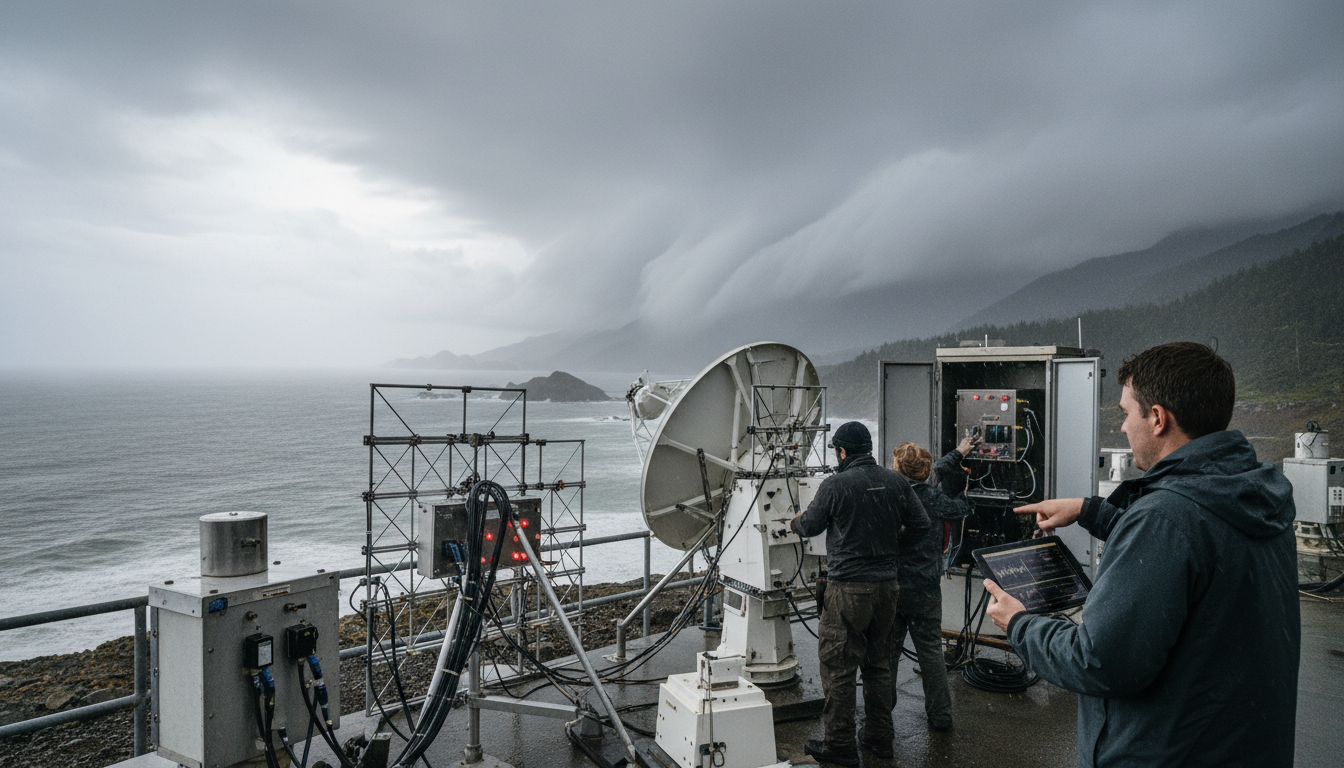
The United Nations has issued a warning regarding radio frequencies essential for weather forecasting, early warning systems, climate monitoring, and water management. These frequencies, it notes, face an increasing threat of interference from emerging technologies. The observation underscores a fundamental tension: the advancement of new technologies against the preservation of existing critical infrastructure.
Precise environmental observations, which rely on naturally occurring signals at specific frequencies, are foundational for effective disaster preparedness and long-term climate strategies across the Asia-Pacific region. Systems involved provide data on the atmosphere, oceans, and land, supporting life-saving early warnings and reliable weather predictions. The UN’s telecommunications and weather agencies assert that increasing use of radio frequencies by new technologies jeopardizes these capabilities.
For countries like Thailand, situated in a region prone to natural disasters, reliable early warning systems are not merely advantageous; they are critical for public safety and economic stability. Disruptions to these systems could lead to delayed warnings for extreme weather events, impacting agricultural planning, maritime safety, and urban infrastructure. While the UN warning highlights the broad impact, specific data correlating technology growth with observed frequency interference in the Pacific-Rim is not available in the current information. The absence of such granular data limits a precise quantification of the immediate threat specific to regional contexts, though the general concern remains.
The challenge lies in balancing technological innovation with the imperative to protect essential public services. New technologies, often driven by commercial interests, compete for bandwidth, potentially degrading the faint signals that environmental sensors interpret. This situation suggests a need for coordinated international and national regulatory frameworks to allocate and protect spectral resources effectively. Without clear guidelines and enforcement, the unmanaged proliferation of new devices could erode the reliability of systems that underpin resilience in the face of environmental shifts.
While the UN has identified the problem, the mechanisms for enforcement and the specific actions required from individual nations, particularly within the diverse regulatory landscapes of the Asia-Pacific, remain unspecified. The resolution of this emerging conflict between technological advancement and environmental monitoring will depend on the degree of international cooperation and the proactive measures adopted by national governments to safeguard these invisible but vital assets.
Sources
Newsletter
Pacific Daily
A curated briefing from Thailand, Asia-Pacific and the world.